

"There's a fierce debate in the fitness world that never seems to end: Should you work out in the morning or at night?"
Team Morning
Swears by 6 AM gym sessions and sunrise runs. They'll tell you it's the only way to start the day right.
Team Night
Laughs at early alarms and hits the gym after work. They argue that evening workouts are when your body performs best.
The Rules of Engagement
I'll compare morning vs. night workouts across 8 key categories:
- Metabolism & fat burning
- Performance & strength
- Consistency & adherence
- Sleep quality
- Mood & mental health
- Schedule flexibility
- Muscle building
- Scientific evidence
Workout Timing Myths That Need to Die
Social media fitness gurus claim that working out before breakfast activates a 'fat-burning mode' that triples your results.
A 2019 study in Journal of Clinical Endocrinology & Metabolism found that fasted morning exercise increased fat oxidation by approximately 10-15%, not 300%. Total daily calorie burn remains nearly identical regardless of workout timing.
If you exercise after 6 PM, your elevated heart rate and adrenaline will keep you awake all night.
A 2019 meta-analysis in Sports Medicine found NO negative sleep effects from evening exercise—unless done within 1 hour of bedtime. Finshing 90 minutes before bed is the sweet spot.
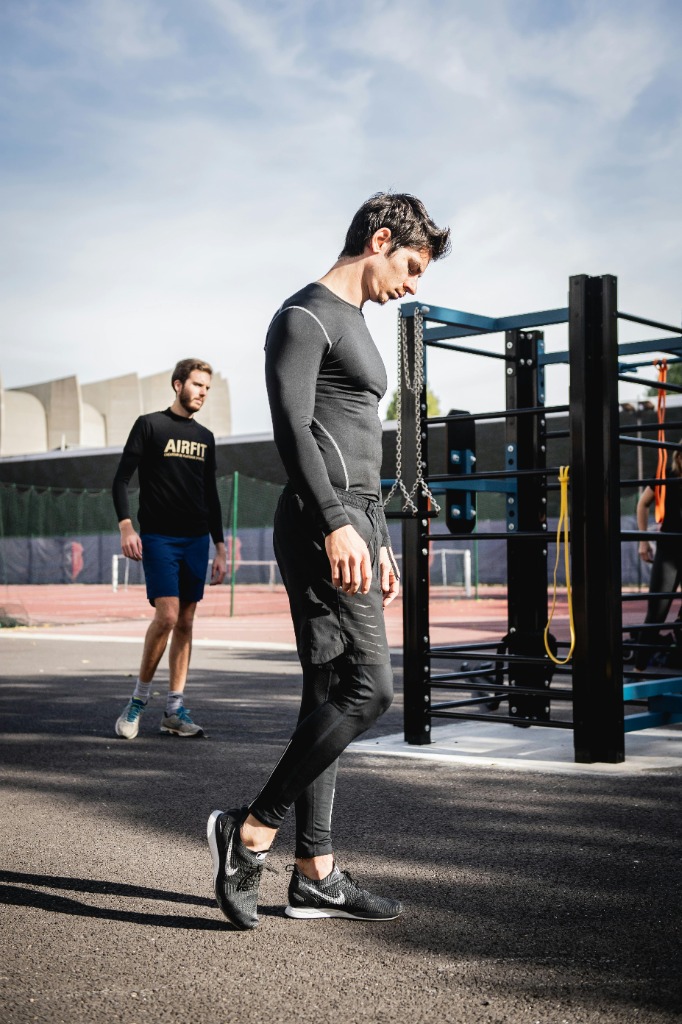
1Round 1: Metabolism & Fat Burning
🌅 Morning
A 2019 study in the Journal of Clinical Endocrinology & Metabolism found that fasted morning exercise increased fat oxidation. However, the EPOC effect helps maintain calorie burn throughout your active day.
🌙 Night
Full glycogen stores allow for higher intensity. Research shows anaerobic capacity (sprinting/lifting) is up to 7% higher in the evening.
Why Morning Takes Round 1
Fasted cardio + EPOC gives a small but measurable fat oxidation advantage throughout your active daytime window.
2Round 2: Performance & Strength
This is where physiology takes center stage. Your body's capabilities are not static—they fluctuate with your internal clock.
Circadian Performance Profile
Scientific Capability Matrix
| Metric | 6-9 AM | 4-8 PM | Winner |
|---|---|---|---|
| Body Temp | 96.8-97.5°F | 98.8-99.2°F | 🌙 Night |
| Max Strength | 85-90% | 98-100% | 🌙 Night |
| Flexibility | Lowest (-15%) | Highest (Peak) | 🌙 Night |
| Reaction Time | Slower | Fastest | 🌙 Night |
| Testosterone | Peak Spike | Lower | 🌅 Morning |
| Injury Risk | Higher | Lowest | 🌙 Night |

Peak Physical Intensity: 4 PM - 8 PM
The Performance Peak
Your body temperature, anaerobic capacity, and lung function all reach their absolute daily maximum in the early evening.
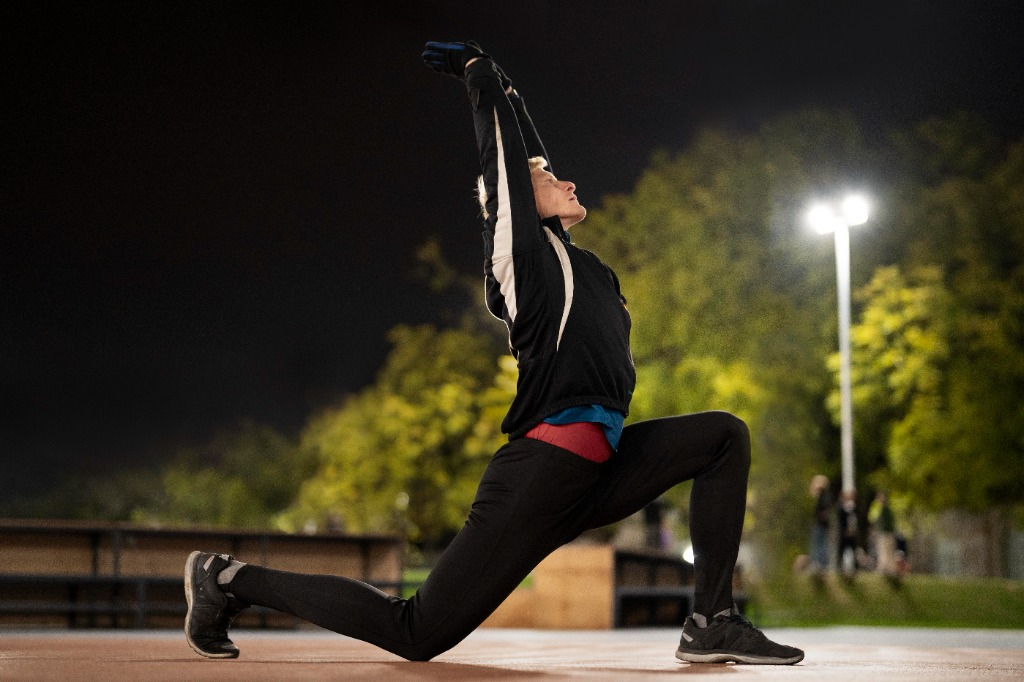
"Most elite athletes set personal records between 4 PM and 8 PM."
3Consistency & Sleep Quality
The Morning Consistency Edge
Research in Medicine & Science in Sports & Exercise shows morning exercisers have 40% higher long-term adherence.

The Sleep Quality Factor
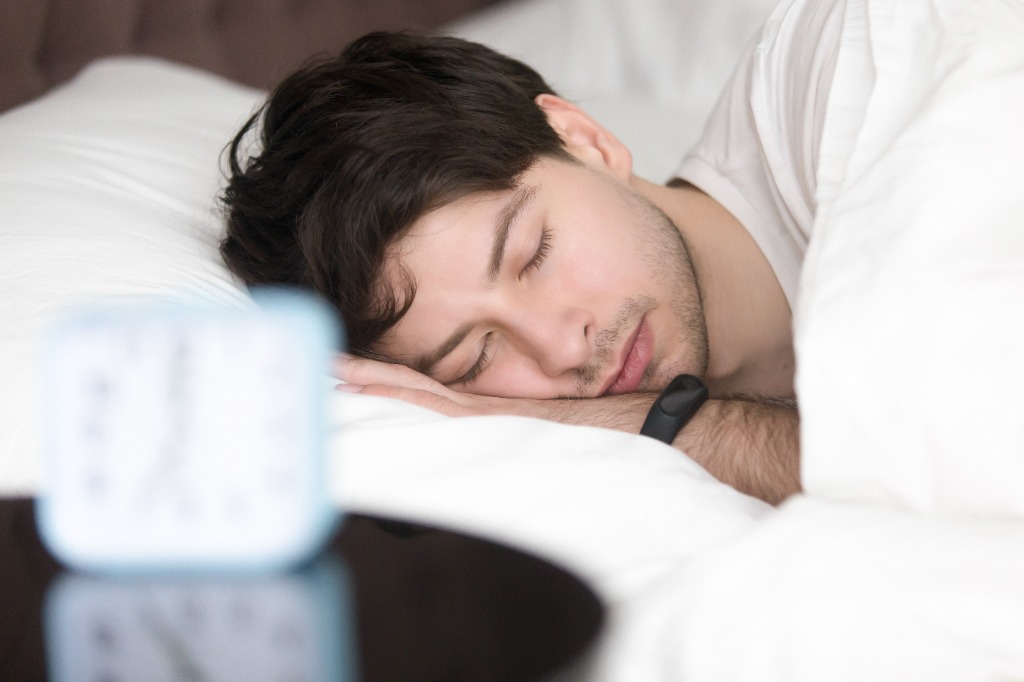
Exercise at 7 AM improves performance in deep sleep stages by up to 75% by regulating your cortisol spike.
CHAMPIONSHIP SCORE: 3 - 1 (Morning Dominating)
5Round 5: Mood & Mental Health
Morning Clarity
Morning exercise releases endorphins that reduce stress for the next 12 hours. It's often called "meditation in motion" for early risers.
Evening Decompression
Perfect for "washing off" a stressful workday. Evening sessions provide a clear boundary between office stress and home life.
6Round 6: Schedule Flexibility
The Reality of Planning
Successful fitness isn't just about the workout; it's about the logistics. How does your choice impact your social life, work, and sleep?

Requires early to bed, early to rise. Zero social interference.
High risk of social or work conflicts, but higher physical readiness.
Lion or Wolf? Discover Your Chronotype

Research shows chronotype is 40-50% genetic. Stop fighting your biology and start working with it.
The Lion
Early Riser- Naturally wakes at 5:30-7 AM
- Peak Energy is 6-10 AM
- Ideal Training: Morning
The Wolf
Night Owl- Naturally wakes at 9 AM+
- Peak Energy is 6-10 PM
- Ideal Training: Night
🏁 The Ultimate Showdown: Final Scorecard
Grand Championship Standings
Team Morning
Habit & Health King
Team Night
Strength & Performance King
The Investigation Conclusion
While Night workouts offer physiological performance peaks, Morning workouts win on long-term sustainability, sleep quality, and metabolism. However, the 1-point gap proves that either can be elite if performed consistently.
🚀 Your 2-Week Trial Action Plan
Phase 1: Morning (W1-2)
- Prep everything the night before (remove ALL friction)
- Sleep earlier (aim for 7-8 hours minimum)
- Start small with 15-20 min sessions to build habit
- Eat something light (e.g., banana 30 mins before)
- Have a backup plan (10-min home routine if you oversleep)
Phase 2: Evening (W3-4)
- Block the time like a mandatory work meeting
- Pack gym bag in the morning (don't go home where Netflix awaits)
- Eat a strategic protein/carb snack at 3-4 PM
- Create a transition ritual (music/stretching) to shift modes
- Finish 90 mins before bed to protect sleep
"The time you actually enjoy and stick to is the only right answer."
Workout Timing FAQs
Can I switch between morning and evening?
Yes. Many people do morning cardio during the week and evening strength training on weekends. Your body adapts easily to a varied schedule as long as each session remains high quality.
What if I'm too tired in the morning?
Start with just 10 minutes. A 10-minute walk or stretching session is enough to build the habit first. Don't worry about intensity for the first 14 days; focus entirely on the clock.
Do I need to eat before morning workouts?
For cardio under 45 minutes, fasted is fine. For heavy lifting or high-intensity work, a banana or a slice of toast 30 minutes before will significantly improve performance and prevent muscle catabolism.