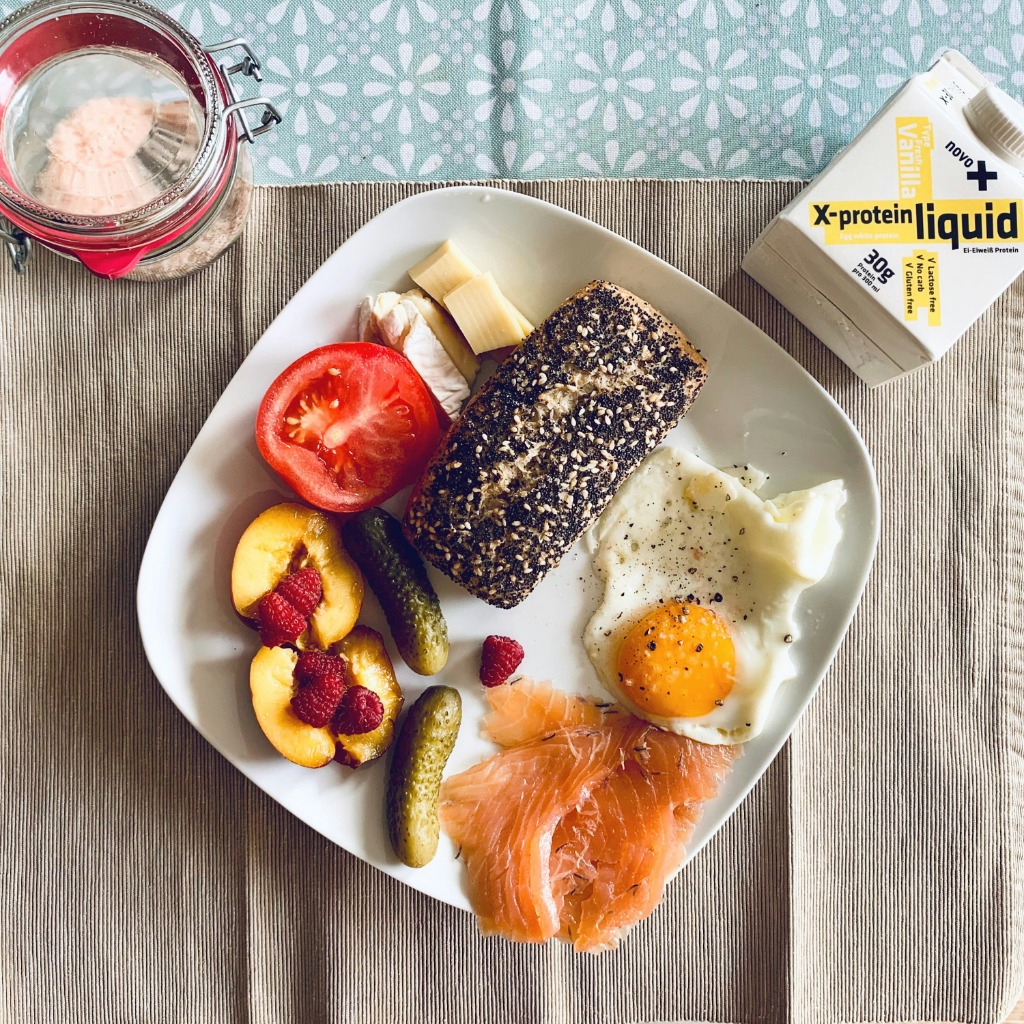
Most people start their day with minimal protein—typically just 8-12 grams.Research indicates this common habit may be the invisible barrier to your weight loss goals.
What the Scientific Research Shows
Study 1: Protein & Weight Loss
A comprehensive review in the American Journal of Clinical Nutrition (2015) examined breakfast protein intake. Key findings:
- Reduced daily calorie intake by 25%
- Improved satiety ratings throughout the day
- Better blood glucose control
- Preservation of lean muscle mass
"Participants consuming 30+ grams of protein at breakfast experienced significant reductions in hunger throughout the day."
— Leidy HJ, et al. (2015)
Study 2: Protein Distribution
A 2014 study in the Journal of Nutrition found that distributing protein evenly across meals (including breakfast) was more effective for muscle synthesis than consuming most protein at dinner—the typical American pattern. Researchers concluded that breakfast protein is crucial not just for satiety, but for optimal body composition during weight loss.
Source: Mamerow MM, et al. "Dietary protein distribution..." J Nutr. 2014.
Study 3: Appetite Hormones
Research in Obesity journal showed high-protein breakfasts altered appetite hormones significantly:
- Increased GLP-1 (Satiety) by 40% +
- Reduced Ghrelin (Hunger) by 30%
Effects lasted 4-5 hours post-meal.
Source: Leidy HJ, et al. Curr Dev Nutr. 2017.
Study 4: Long-Term Maintenance
A review in Annual Review of Nutrition (2009) found high-protein diets (including breakfast) were associated with:
- Better long-term weight maintenance after weight loss
- Reduced weight regain compared to normal protein diets
- Improved body composition (more muscle, less fat)
Source: Westerterp-Plantenga MS, et al. Annu Rev Nutr. 2009.
The "Sweet Spot" Logic
Too Little
Insufficient to trigger satiety hormones. Leads to "10 AM crash" and snacking.
Sweet Spot
Optimal satiety hormone response. Sustained energy for 3-4 hours.
Too Much
Diminishing returns. No extra satiety benefit, just extra calories.
8 Evidence-Based Options
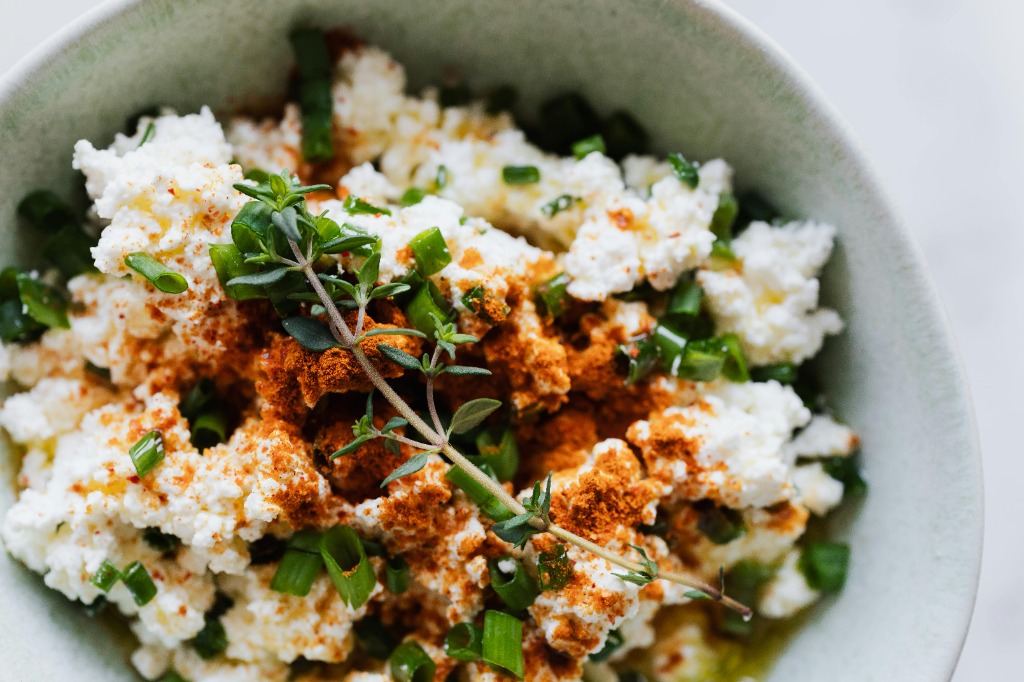
Cottage Cheese Scramble
Why It Works
Cottage cheese adds casein protein, which digests slowly and extends fullness by 30-40% compared to fast-digesting proteins.
Preparation
- Beat eggs with cottage cheese in a bowl
- Pour into heated non-stick pan over medium heat
- Add spinach and tomatoes while cooking
- Gently fold until eggs are just set (3-4 mins)
Ingredients
- 3 large eggs (18g protein)
- 1/2 cup low-fat cottage cheese (14g protein)
- Handful fresh spinach
- 5-6 cherry tomatoes
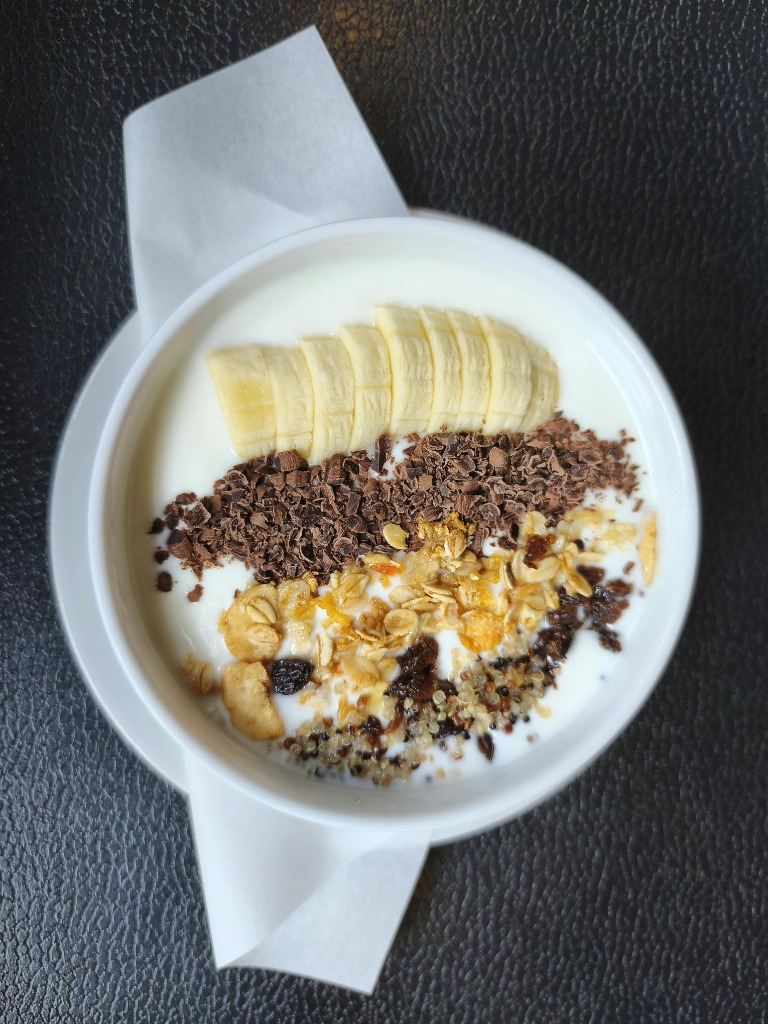
Greek Yogurt Power Bowl
Why It Works
Combines probiotics with protein. The healthy fats from almonds and fiber from berries create a balanced profile that slows digestion.
Preparation
- Place yogurt in a bowl and mix in protein powder
- Top with fresh berries and chopped almonds
- Drizzle with honey (optional) and serve immediately
Ingredients
- 1 cup plain Greek yogurt (20g protein)
- 1/2 scoop vanilla protein powder (10g)
- 1/4 cup berries
- 2 tbsp chopped almonds
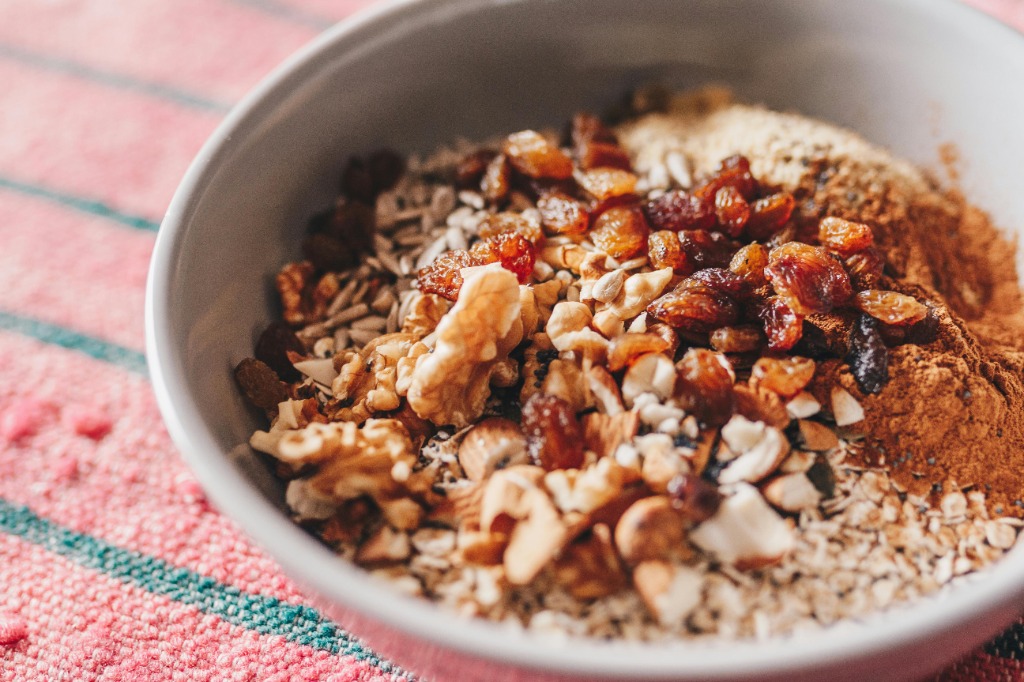
Overnight Protein Oats
Why It Works
Oats (soluble fiber) + Protein = Extended Gastric Emptying. Studies show overnight oats increase satiety by 25% vs cereal.
Preparation
- Mix oats, protein powder, chia seeds, and milk in a jar
- Stir well to ensure no clumps
- Refrigerate overnight (at least 6 hours)
- Top with banana and cinnamon before serving
Ingredients
- 1/2 cup rolled oats
- 1 scoop protein powder (20g)
- 1 tbsp chia seeds
- 3/4 cup almond milk
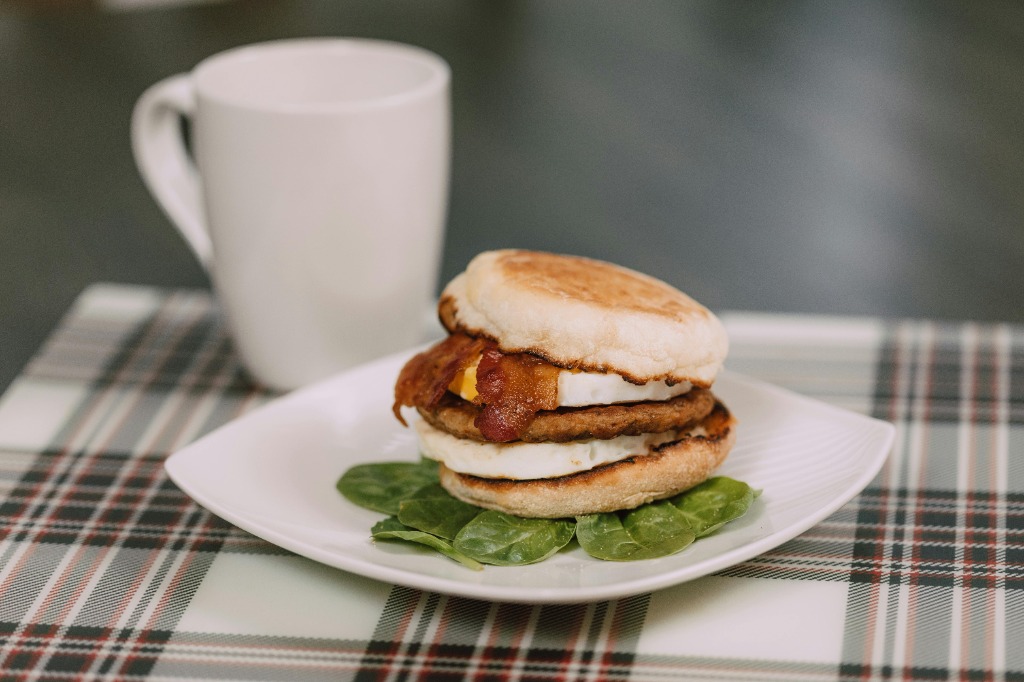
Batch-Prep Egg Muffins
Why It Works
Eliminates 'decision fatigue.' Meal preppers are 2.5x more likely to maintain healthy diets.
Preparation
- Preheat oven to 350°F (175°C)
- Beat eggs, add turkey, peppers, and cheese
- Pour into greased muffin tin
- Bake 25 mins until set. Store in fridge.
Ingredients
- 10 large eggs (makes 12 muffins)
- 1 cup diced turkey breast
- 1 cup diced bell peppers
- 1/2 cup shredded cheese
Turkey Bacon & Egg Wrap

Why It Works
The portable format removes barriers. Whole wheat provides complex carbs for sustained energy release.
Preparation
- Cook turkey bacon until crispy (4 mins)
- Scramble eggs in same pan (2 mins)
- Warm tortilla
- Fill with eggs, bacon, spinach, and cheese. Roll.
Ingredients
- 3 slices turkey bacon (9g)
- 2 large eggs (12g)
- 1 whole-wheat tortilla (7g)
- Handful of spinach
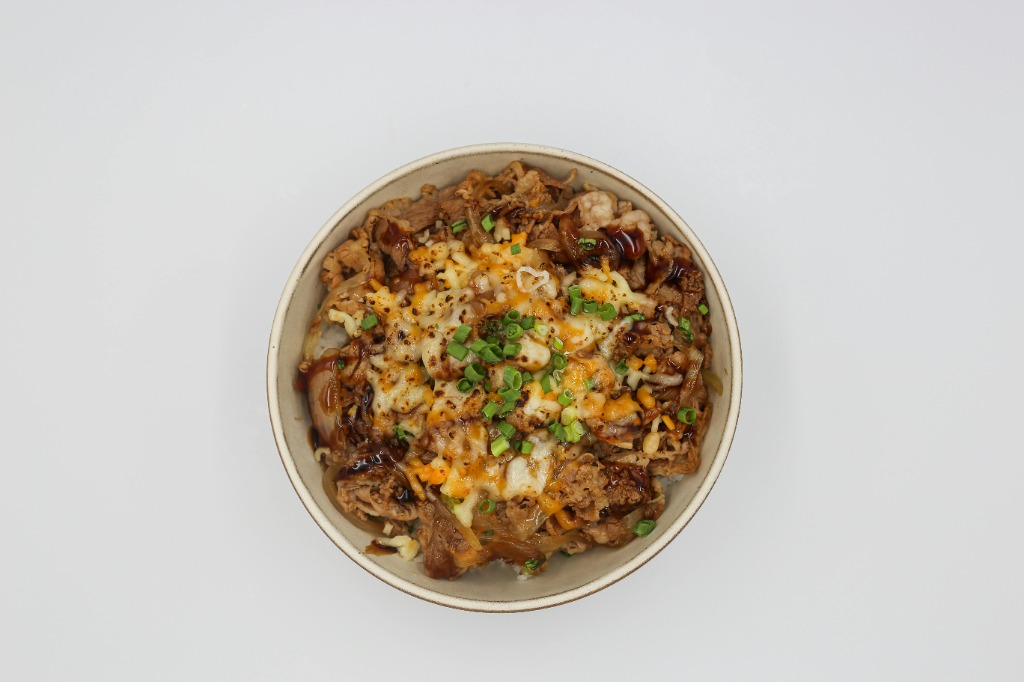
Sweet Cottage Cheese Bowl
Why It Works
High in casein (80% of protein). Research shows cottage cheese can suppress appetite for 3-4 hours.
Preparation
- Scoop cottage cheese into a bowl
- Add pineapple chunks and walnuts
- Drizzle with honey and sprinkle cinnamon
- Serve cold
Ingredients
- 1.5 cups low-fat cottage cheese
- 1/4 cup pineapple chunks
- 2 tbsp walnuts
- Cinnamon & honey
Protein Pancakes

Why It Works
Best for active people. The combo of Resistant Starch (banana) and protein fuels morning workouts.
Preparation
- Blend all ingredients until smooth
- Cook on medium heat like regular pancakes
- Flip when bubbles form (2-3 mins per side)
- Top with berries or peanut butter (optional)
Ingredients
- 1 cup oats + 1 banana
- 2 eggs
- 1/2 scoop protein powder
- 1/2 tsp baking powder
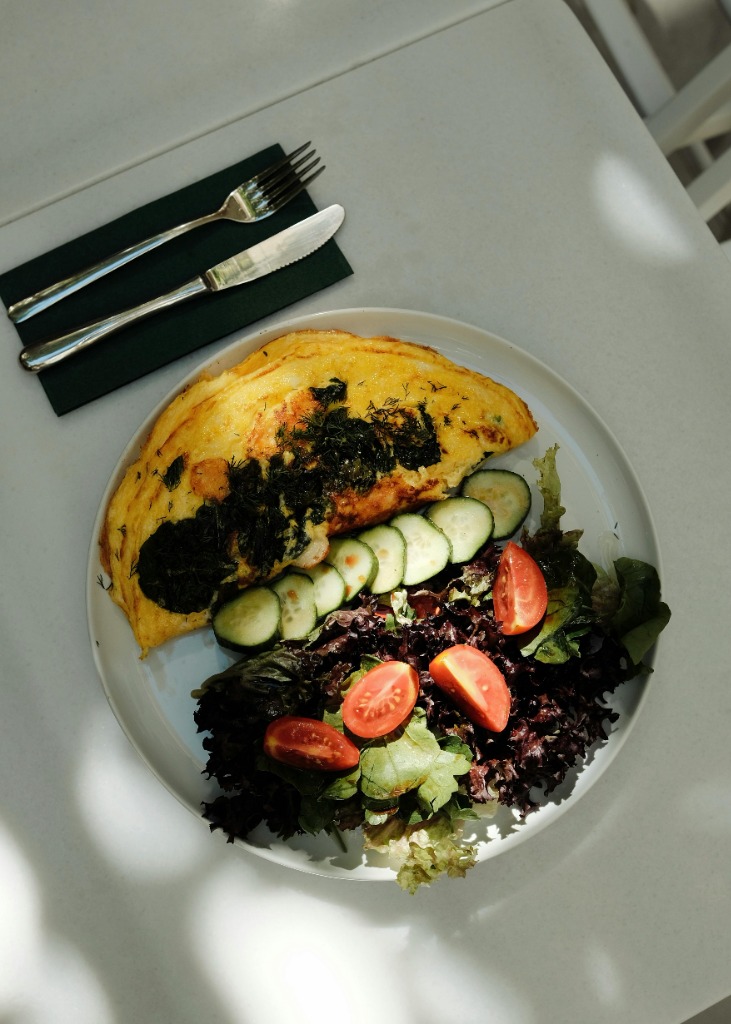
Veggie-Loaded Omelet
Why It Works
Leverages 'Caloric Dilution'—high volume, low calorie density. Veggie-rich meals increase satiety ratings by 30%.
Preparation
- Sauté mushrooms, spinach, and peppers (3 mins)
- Beat eggs and pour over vegetables
- Add cheese
- Fold omelet and cook until set (4 mins)
Ingredients
- 3 large eggs
- 1/2 cup mushrooms
- 1/2 cup spinach
- 1/4 cup cheese
How to Choose
In a Rush (2-3 mins)
- • Greek Yogurt Bowl
- • Cottage Cheese Bowl
- • Overnight Oats (Grab-and-Go)
Budget Friendly
- • Egg Muffins ($1.80/serving)
- • Overnight Oats ($2.00/serving)
- • Cottage Cheese Scramble ($2.50/serving)
Common Mistakes
4-Week Implementation Plan
Week 1: Foundation Building
Choose 2 simple options (recommend: Greek Yogurt Bowl and Cottage Cheese Scramble). Track hunger patterns.
Week 2: Expansion
Add 1-2 more options. Try batch prepping egg muffins on Sunday. Monitor mid-morning energy levels.
Week 3: Optimization
Fine-tune portions based on your satiety. Create a standard shopping list. Build the habit so it becomes automatic.
Long-Term Maintenance
Keep 3-4 favorites in rotation. Prep on Sundays. Stay flexible on weekends. Season ingredients to prevent boredom.
Frequently Asked Questions

About the Author
Hassan Khan • Health Researcher
Hassan Khan is a health researcher who analyzes peer-reviewed nutritional science and translates it into practical guidance. He specializes in evidence-based nutrition strategies for weight management and sustainable health. All content is based on research from credible scientific journals, recommendations from registered dietitians, and established nutritional guidelines.