
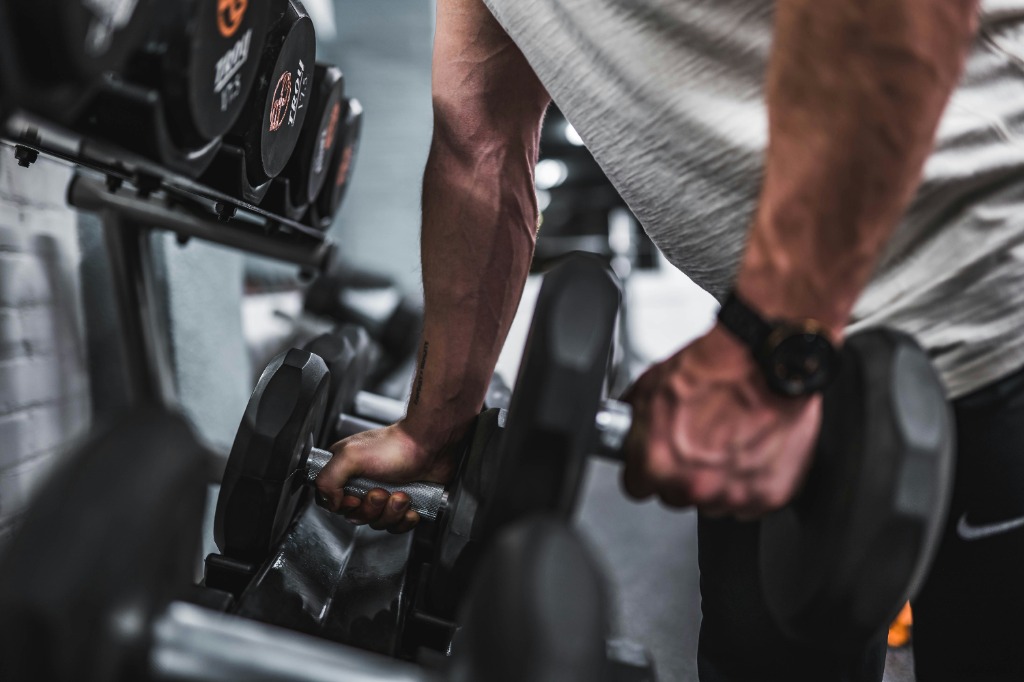
Not all movement is created equal.Research shows specific high-intensity exercises trigger "EPOC," allowing you to burn calories long after you leave the gym.
The Science of Fat Burning
How Your Body Burns Fat
Your body uses three primary energy systems:
- 1. Phosphocreatine (0-10s):Explosive, immediate energy.
- 2. Glycolytic (10s-2min):Uses stored carbs (glycogen).
- 3. Oxidative (2min+):Uses carbs and fats for sustained energy.
The "Afterburn" (EPOC)
High-intensity work creates an oxygen debt. Repaying this debt increases total daily energy expenditure by 6-15% for up to 24 hours post-workout.
Source: J Sports Sci. 2006
Muscle is Metabolic
Building lean muscle is crucial. Research shows muscle tissue burns approximately 6 calories per pound daily at rest, compared to just 2 calories for fat tissue.
10 Evidence-Based Exercises
Jump Rope
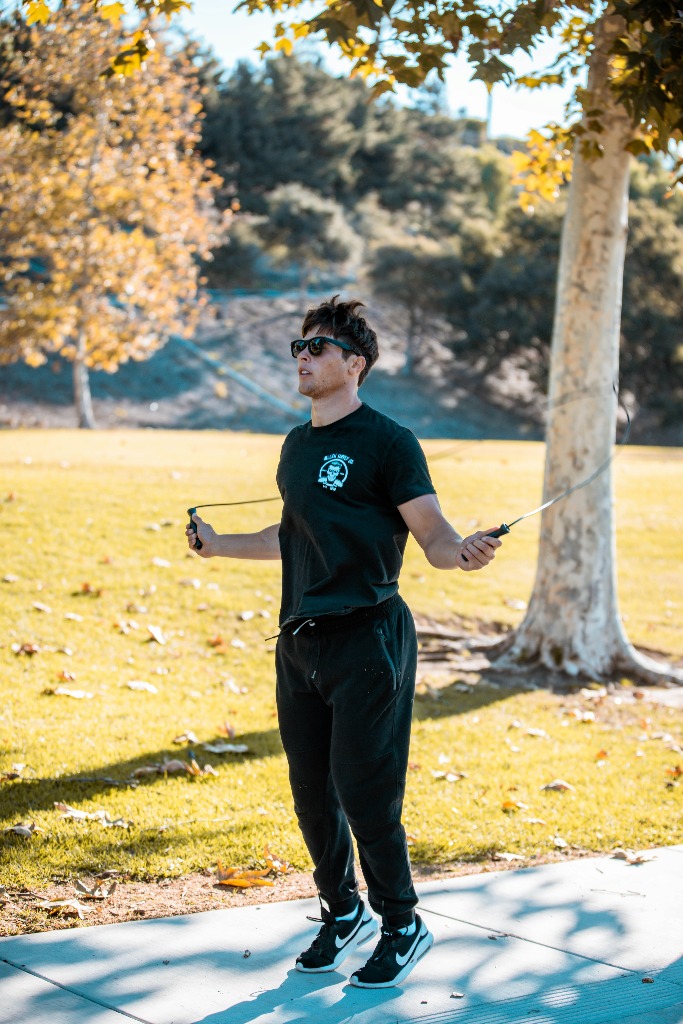
Simple but brutal. It improves bone density and coordination while burning massive calories.
Why It Works
High calorie burn in short time. Portable. Improves foot speed.
Pro Tip
"Stay on balls of feet. Use your wrists to rotate rope, not large arm circles."
How To Perform
- Stand with feet hip-width apart, elbows close to body
- Rotate rope from wrists (not arms)
- Jump only 1-2 inches off ground
- Land softly on balls of feet
- Maintain upright posture with core engaged
Burpees
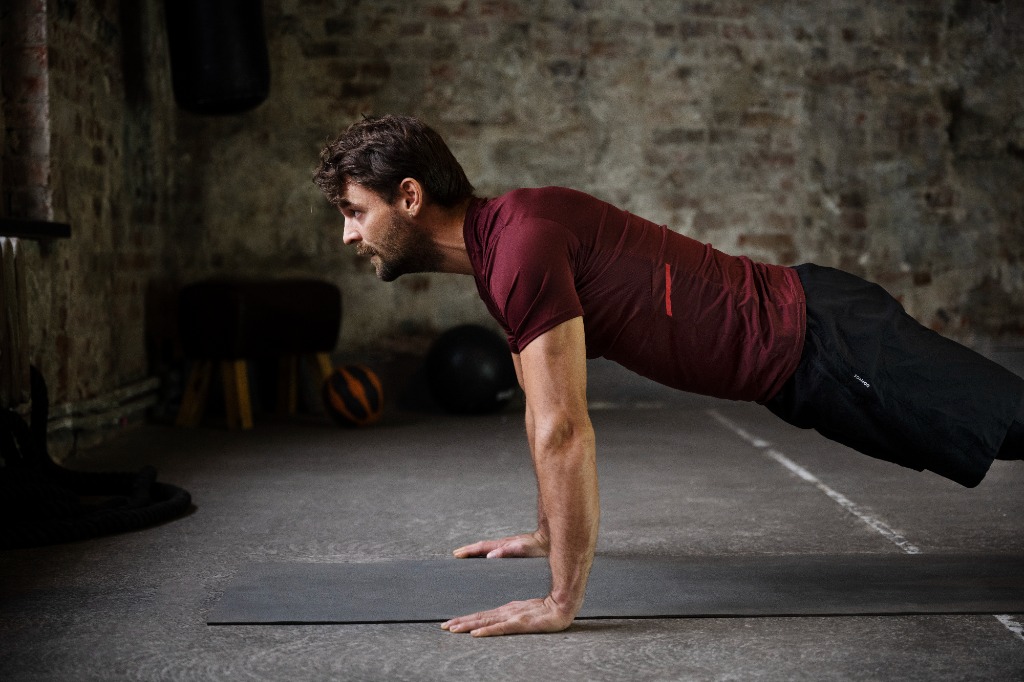
The king of bodyweight cardio. Combines a squat, plank, push-up, and jump.
Why It Works
Highest EPOC potential. Engages every major muscle group.
Pro Tip
"Don't flop on the floor. Maintain core tension in the plank phase."
How To Perform
- Start standing, feet shoulder-width apart
- Squat down and place hands on floor
- Jump feet back to high plank
- Perform one push-up (optional)
- Jump feet back to hands
- Explosively jump up, reaching overhead
Mountain Climbers
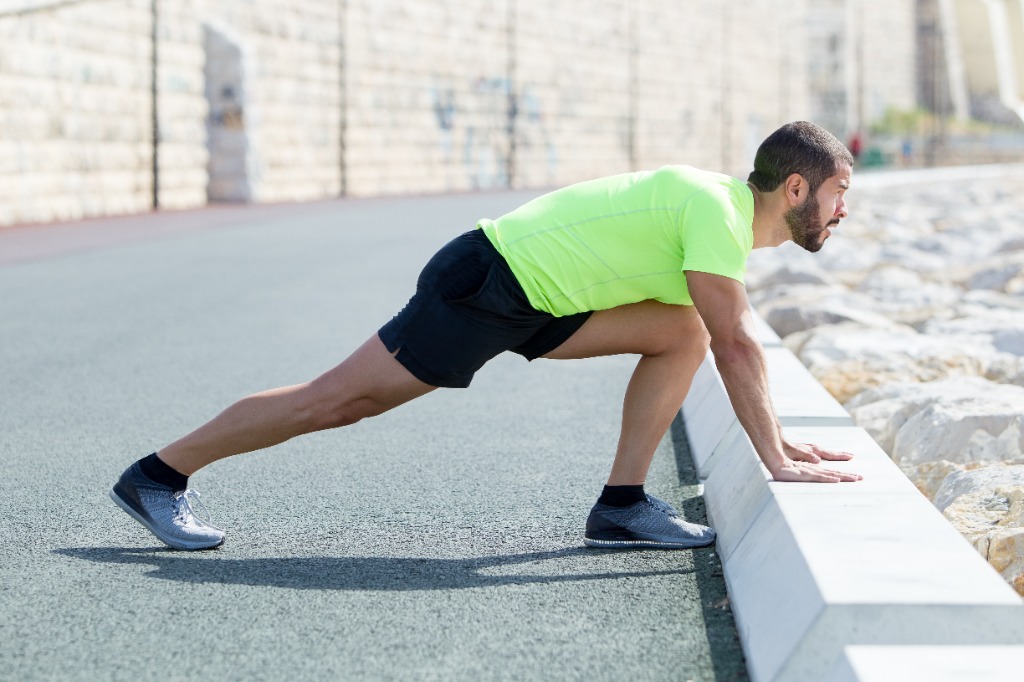
A plank that moves. Keeps heart rate up while scorching the abs and shoulders.
Why It Works
Builds core stability dynamically. Safer impact than jumping.
Pro Tip
"Keep hips low and level. Don't bounce up and down."
How To Perform
- Start in high plank, hands under shoulders
- Maintain flat back and engaged core
- Drive right knee toward chest
- Quickly switch and drive left knee forward
- Continue alternating at a brisk pace
Jump Squats
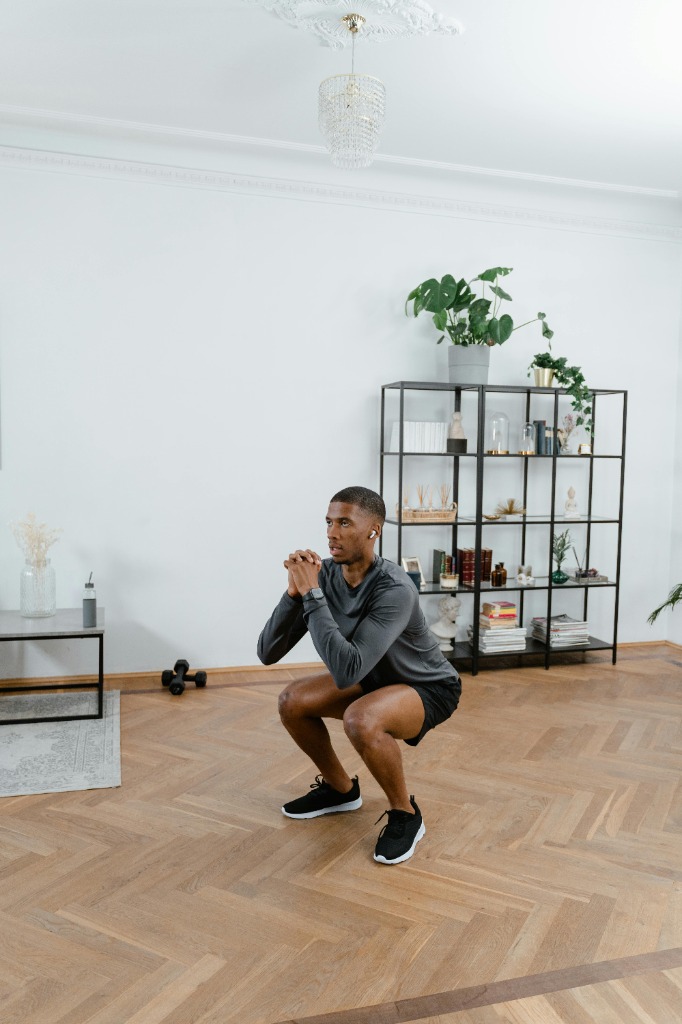
Explosive power development. It recruits fast-twitch muscle fibers that burn more energy.
Why It Works
Builds athletic power. Increases leg muscle density.
Pro Tip
"Land softly! Absorb the impact by going straight into the next squat."
How To Perform
- Stand with feet shoulder-width apart
- Lower into squat (thighs parallel)
- Explosively jump upward
- Fully extend hips and knees
- Land softly with bent knees
High Knees
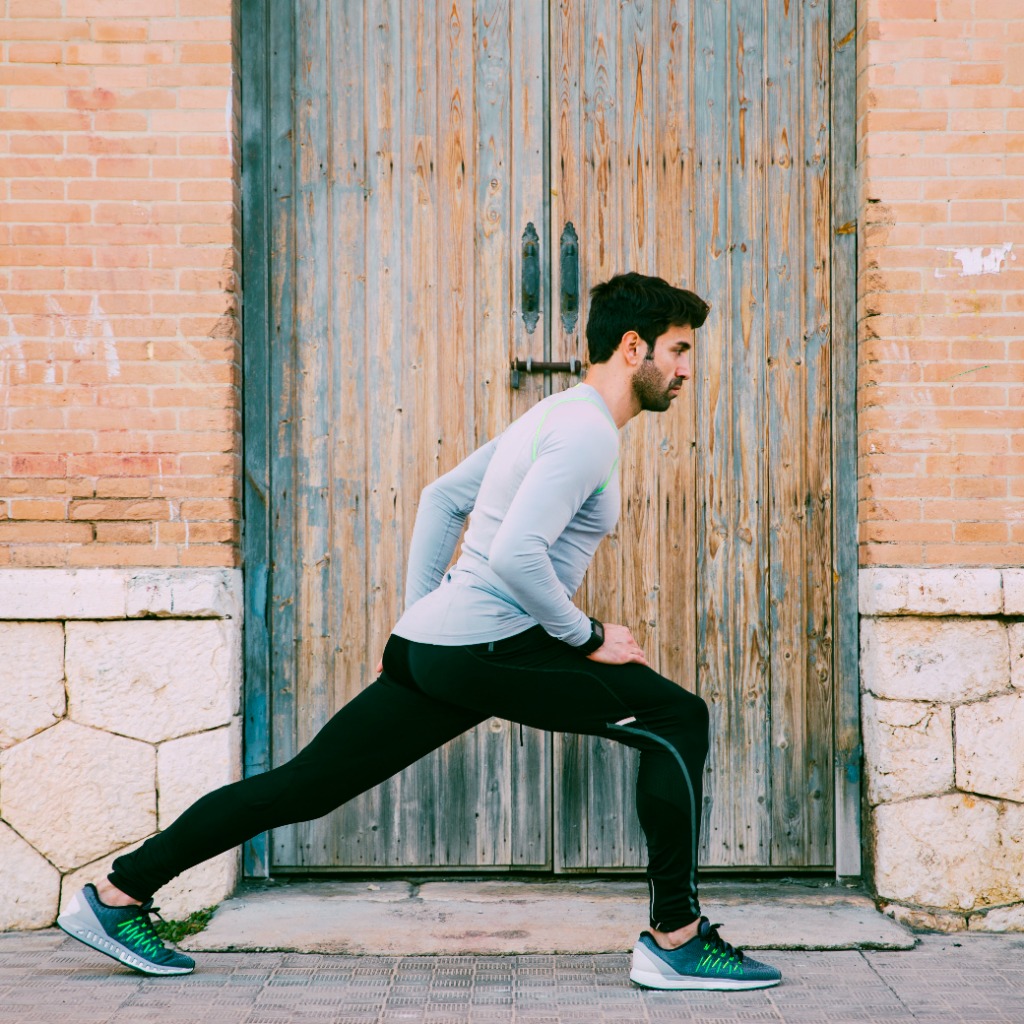
Sprinting in place with exaggerated form. Forces deep core activation.
Why It Works
Improves running mechanics. Rapidly spikes heart rate.
Pro Tip
"Drive knees above hip height. Pump arms primarily for momentum."
How To Perform
- Stand tall, feet hip-width apart
- Rapidly drive right knee to hip height
- Quickly switch to left knee
- Pump arms in running motion
- Stay light on balls of feet
Push-Ups
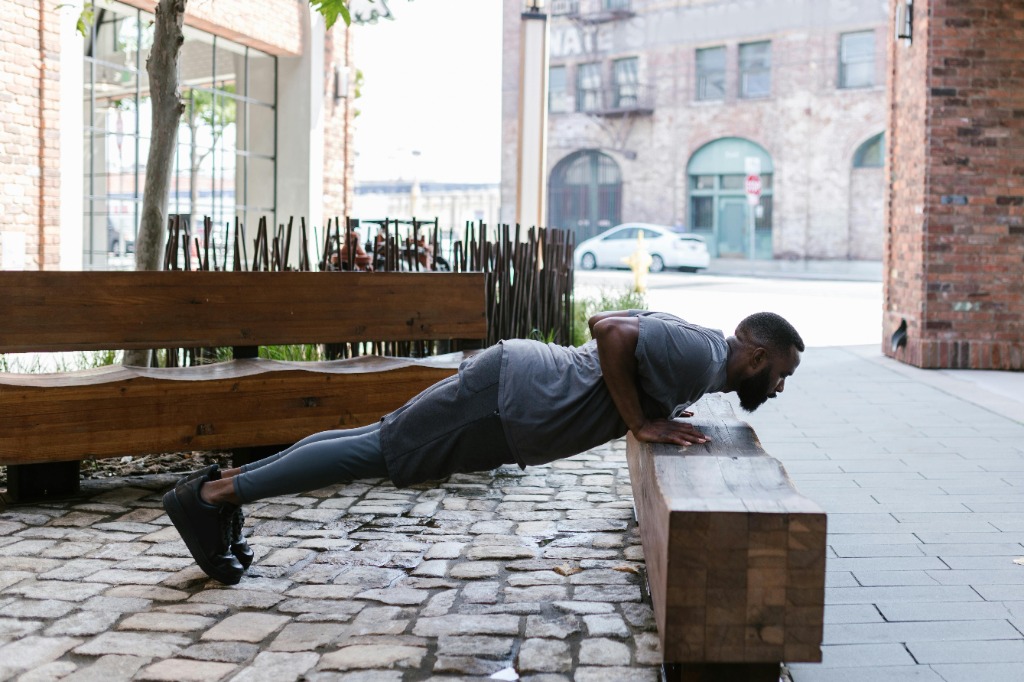
The standard strength builder. Builds chest, shoulders, triceps and deep core.
Why It Works
Functional strength. No equipment needed. Highly scalable.
Pro Tip
"Elbows at 45 degree angle. Body in a straight steel rod from head to heel."
How To Perform
- High plank position, hands wider than shoulders
- Lower body as one unit
- Descend until chest nearly touches floor
- Press back up to start
- Maintain straight line from head to heels
Kettlebell Swings

A dynamic hip hinge. It strengthens the backside (glutes/hamstrings) explosively.
Why It Works
Combines cardio and strength. Fixes 'sitting posture' issues.
Pro Tip
"It's a hip snap, not a squat. Your arms are just ropes holding the weight."
How To Perform
- Stand feet shoulder-width, bell on floor
- Hinge at hips (deadlift motion, NOT squat)
- Grasp bell and swing back between legs
- Explosively drive hips forward to stand
- Swing bell to chest height using hip power
Plank Shoulder Taps

Fighting gravity and rotation. Forces deep stabilizer muscles to fire.
Why It Works
Shoulder health. Serious core definition.
Pro Tip
"The goal is to NOT move your hips. Keep them frozen like stone."
How To Perform
- High plank, feet wider than hips for stability
- Keep hips completely still
- Lift right hand to tap left shoulder
- Return and switch hands
- Alternate with control, minimizing sway
Sprint Intervals

Short bursts of 100% effort. The most potent fat-loss tool available.
Why It Works
Time efficient. Massive metabolic disruption (good for fat loss).
Pro Tip
"Warm up thoroughly first. Stick to the 1:2 or 1:3 ratio."
How To Perform
- Sprint at 90-95% effort (20-30 secs)
- Recover: Walk/jog slowly (60-90 secs)
- Repeat for 6-10 rounds
- Total time: 15-20 minutes
- Use 1:2 or 1:3 work-to-rest ratio
Jump Lunges
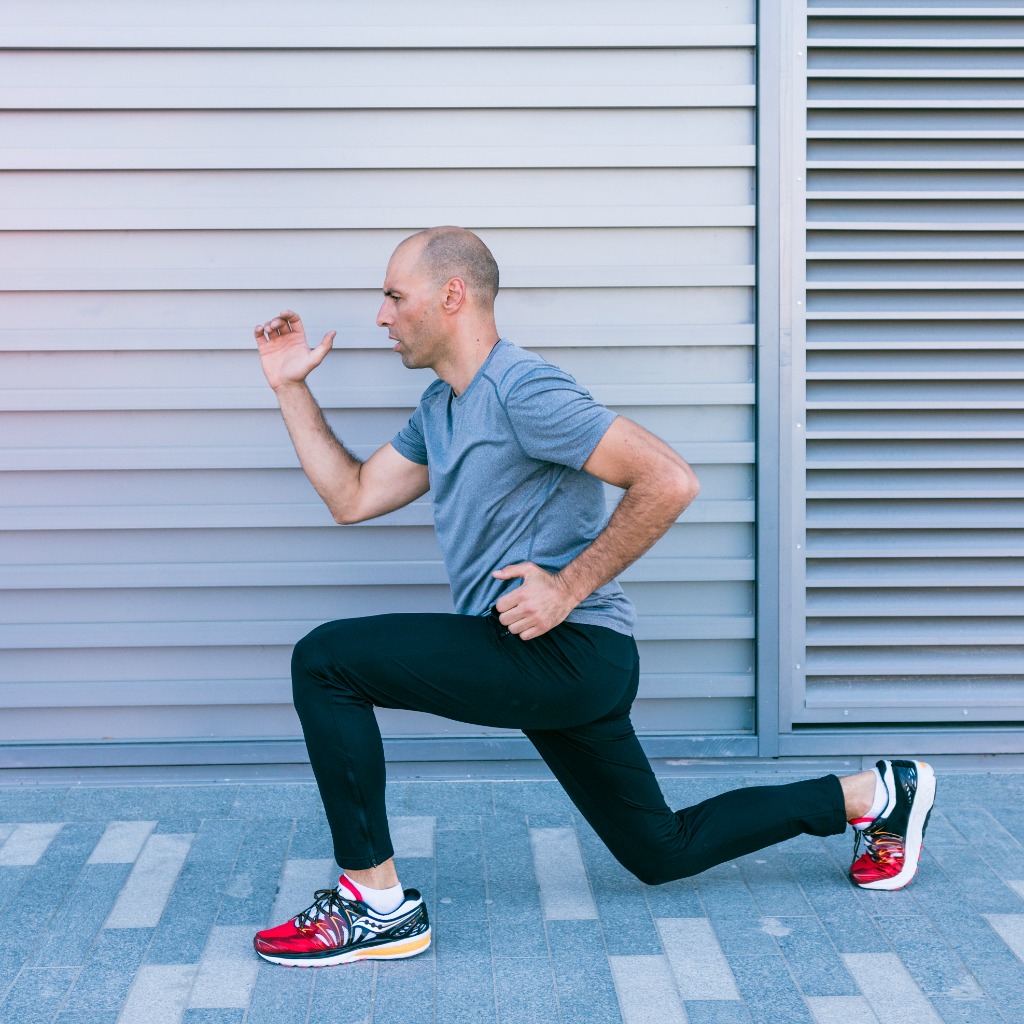
Advanced single-leg power. Fixes imbalances and torches legs.
Why It Works
Balance, coordination, and explosive leg power.
Pro Tip
"Advanced move. Master regular lunges first."
How To Perform
- Start in lunge position (one foot fwd)
- Explosively jump upward
- Switch legs in mid-air
- Land softly in lunge on opposite side
- Immediately descend into next rep
Sample HIIT Workout
Evidence-Based Workout Framework
Structure every session for success.
Sample HIIT Circuit
Time: 18 Minutes | Intensity: High | Equipment: None
Training Frequency
Research Recommendations (ACSM)
- 3-5 Sessions/Week: Mix of moderate and high intensity.
- 150 Mins Total: Weekly target for moderate activity.
- Rest Days Matter: Training without recovery leads to cortisol spikes (fat storage) and injury.
Fat Loss Killers
1. Overtraining Without Recovery
Problem: Excessive exercise spikes cortisol, promoting fat retention.
Solution: 1-2 full rest days weekly + active recovery.
2. Poor Exercise Form
Problem: Dramatically increases injury risk.
Solution: Master technique at low intensity first.
3. Neglecting Nutrition
Problem: Exercise alone = modest 2-3lb weight loss (2011 Review).
Solution: Combine with caloric deficit + protein.
4. Skipping Warm-Ups
Problem: Increases injury risk.
Solution: Always 5-10min dynamic stretching.
Nutrition Strategy
1. Caloric Deficit: Aim for 300-500 calories below maintenance (0.5-1lb loss/week).
2. Protein Priority: 0.7-1g per pound of body weight. Essential for sparing muscle and increasing thermic effect.
3. Hydration: 0.5-1oz water per lb bodyweight. Required for metabolic function.
4. Nutrient Timing: Protein post-workout supports recovery; carbs around training fuel performance.
Common Questions
Master Your Biology