
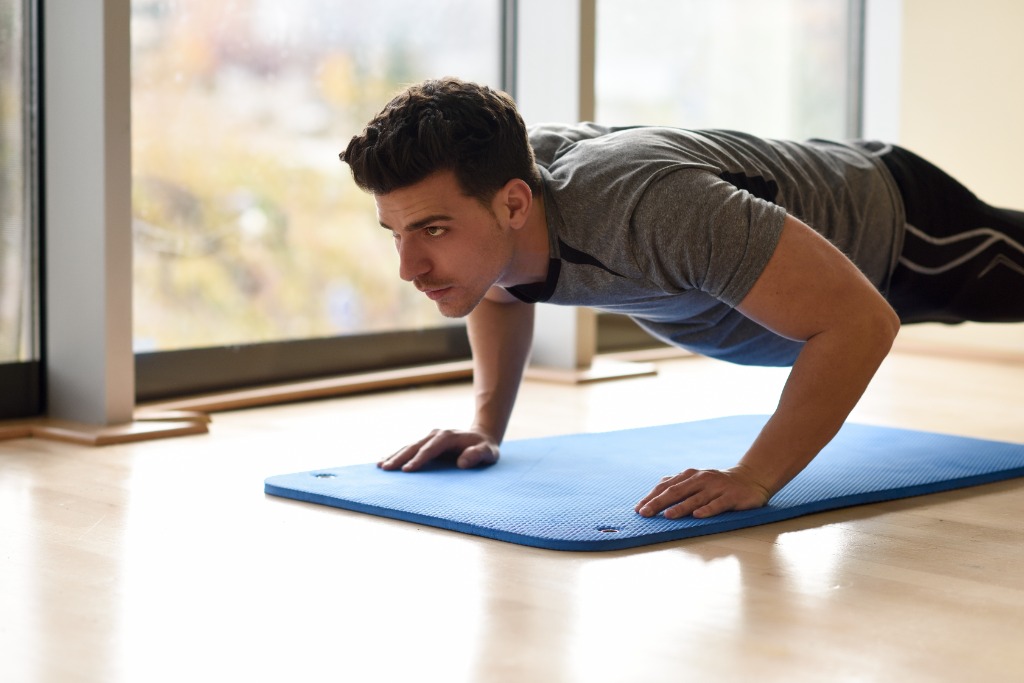
Most plank articles list benefits, show one picture, and call it a day.This guide builds a 5-level progression ladder. We don't just tell you to "do more." We show you how to level up.
Myth Destroyed
"Planks Are Just an Ab Exercise"
The Reality: A 2014 EMG study showed planks activate glutes and shoulders as much as abs. It is a full-body stability exercise. If you only feel it in your abs, you might be doing it wrong.
The Anatomy X-Ray
What's actually firing when you hold a perfect plank?
The 5-Level Progression Ladder
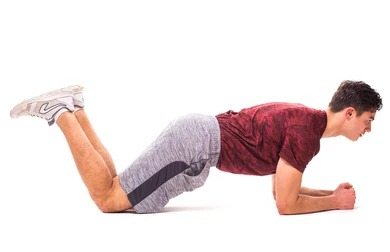
Level 1: The Knee Plank
The Foundation. Reduces load by 40% to let specific deep muscles turn on.
Hold for 45s with ZERO back sag and controlled breathing.
Level 2: The Forearm Plank
The Clinical Standard. Unlocks the full posterior chain (glutes/hamstrings). Do not let hips pike up!
Hold for 60s perfectly flat. No breath holding.
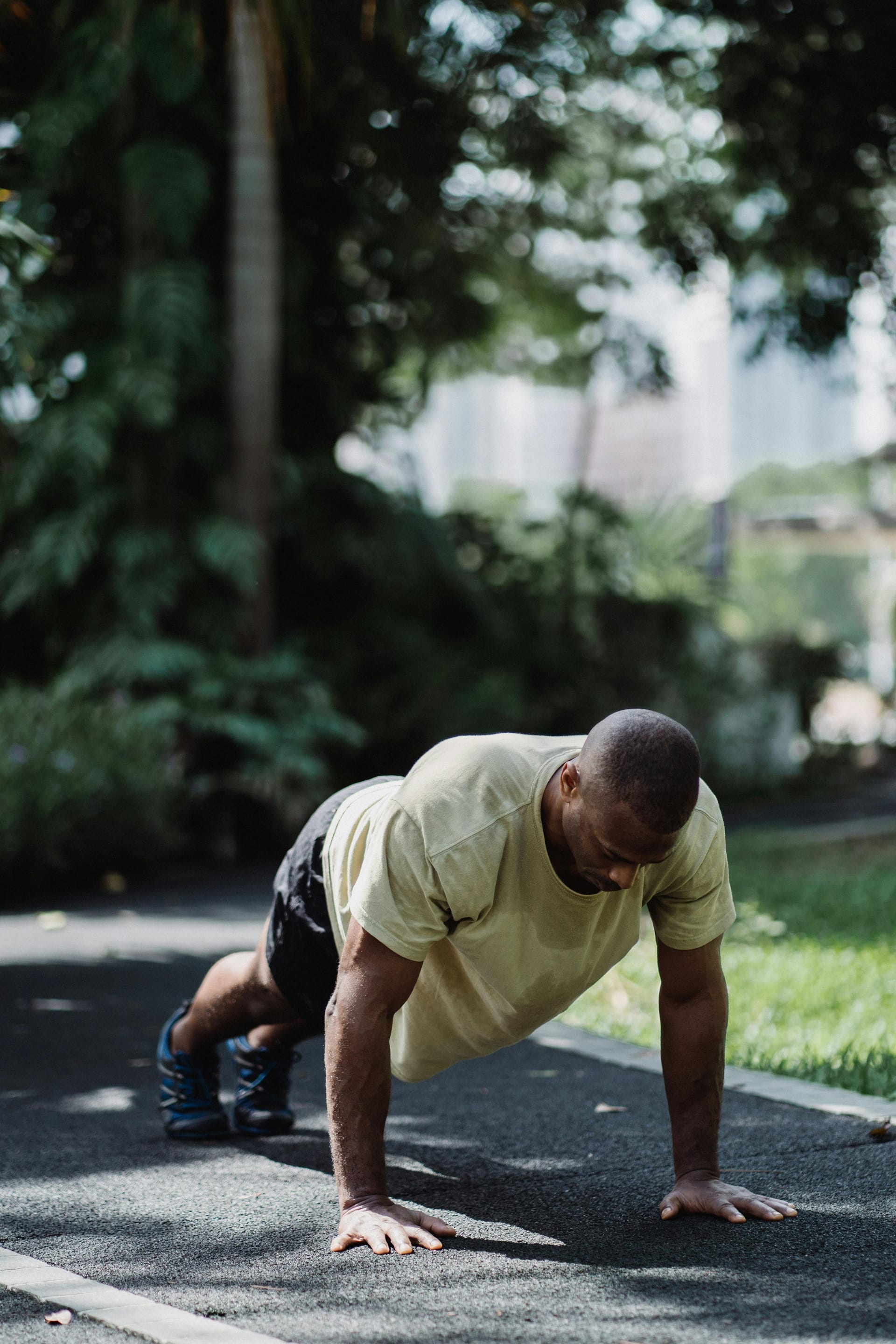
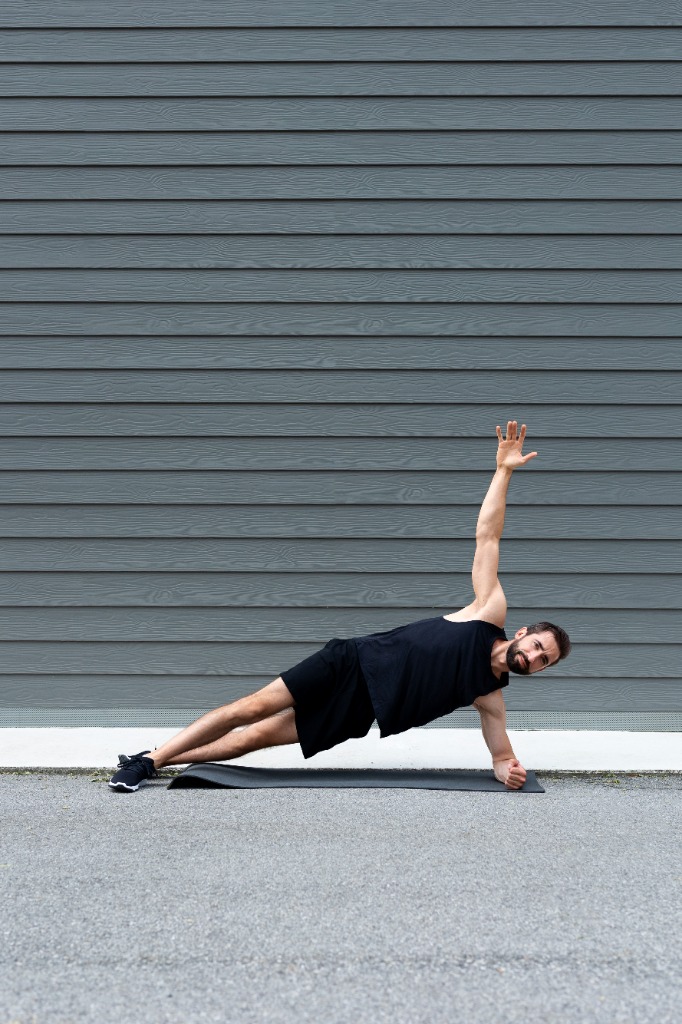
Level 3: The Side Plank
Anti-Rotation. 23% reduction in rotational injuries for athletes who do this. Hits the obliques.
Hold 30s per side. Hips fully lifted. No wobbling.
Level 4: Alternating Leg Lifts
Dynamic Stability. Removing one contact point forces your core to react to instability.
10 lifts per leg. Slow pace (2s hold). Zero hip rotation.
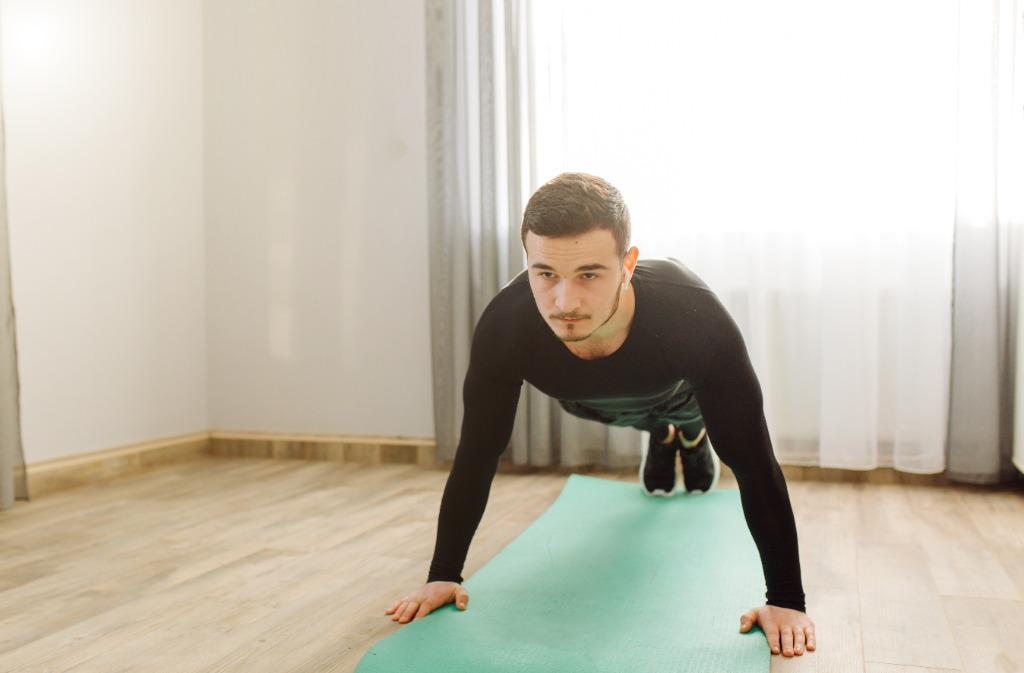
Level 5: Moving Plank Complex
Full Integration. Forearm Plank → High Plank → Side Plank. Training stability during movement.
3 full complex reps with perfect form.
The Real Benefits
Outcomes directly linked to progressive plank training:
1. Back Pain Reduction
Studies show core stabilization programs reduce chronic back pain by up to 47%. (See our guide on Back Pain Relief for more).
2. Auto-Correcting Posture
Neuromuscular adaptation means you'll stand straighter without thinking about it.
3. Lift Strength
A pressurized core is the foundation for squats, deadlifts, and overhead movements.
4. Calorie Burn
5-8 calories per minute. Comparable to a moderate jog due to massive muscle recruitment.
Myth Destroyed
"Longer Planks = Better"
The Reality: Intensity beats duration. A 2019 study showed that progressive variations improved core stability test scores by 28% more than just holding static planks for longer.
Build Your Routine
The Foundation Builder
- • Knee Plank: 3 x 30-45s
- • Forearm Plank: 3 x 20-40s
- • Dead Bug: 3 x 8 reps/side
The Stability Builder
- • Forearm Plank: 2 x 45-60s
- • Side Plank: 2 x 30s/side
- • Plank w/ Leg Lift: 2 x 6 reps/side
The Integration Builder
- • Moving Plank Complex: 3 reps
- • Side Plank w/ Hip Dips: 2 x 10/side
- • Plank w/ Leg Lifts: 2 x 10/side
- • Forearm Plank: 1 x Max Effort