Note: This article is for informational purposes only and does not constitute medical advice. Always consult a healthcare provider.
Women lose belly fat through the same fundamental mechanism as men \u2014 a sustained caloric deficit combined with strength training, high protein intake, and quality sleep. However, female hormones, menstrual cycle phases, menopause, and cortisol sensitivity create unique challenges that require a tailored approach. This guide covers what the research actually shows for women specifically.
Introduction
Belly fat is one of the most common health concerns among women \u2014 and one of the most frustrating. Many women find that even after losing weight overall, abdominal fat is the last to go. Others notice their waistline expanding during perimenopause despite no changes in diet or exercise. Some feel bloated and puffy rather than carrying true fat.
The reasons for this are largely hormonal \u2014 and the science behind them is genuinely fascinating.
Research published in the Journal of Clinical Endocrinology & Metabolism (2009) confirmed that women and men store and mobilise abdominal fat differently due to fundamental differences in oestrogen, progesterone, cortisol sensitivity, and fat cell receptor density. A strategy designed for men is not necessarily optimal for women.

A tailored approach combining strength training, adequate protein and hormonal understanding yields the best results for women.
1. Why Women Store Belly Fat Differently: The Hormonal Reality
Understanding why belly fat behaves differently in women is the foundation for addressing it effectively.
Oestrogen, progesterone, and cortisol powerfully influence where women store fat and how easily it can be mobilised.
Oestrogen and Fat Distribution
Oestrogen \u2014 the primary female sex hormone \u2014 actively directs fat storage toward the hips, thighs, and buttocks (gluteofemoral fat) rather than the abdomen during reproductive years. This is a protective biological mechanism: gluteofemoral fat in women is associated with lower cardiovascular risk than abdominal fat, and its storage is partly driven by the energy demands of potential pregnancy.
This is why premenopausal women typically carry less visceral (deep abdominal) fat than men of the same age. Research published in Obesity (2012) found that premenopausal women had significantly lower visceral fat than age-matched men despite comparable total body fat percentages.
What Happens at Perimenopause and Menopause
When oestrogen levels decline during perimenopause (typically beginning in the mid-40s), fat redistribution shifts dramatically. Fat that was previously directed to the hips and thighs begins accumulating in the abdomen instead.
The Menopausal Transition Study
Cortisol and Stress Sensitivity
Research consistently shows women exhibit greater visceral fat accumulation in response to chronic stress than men, even when cortisol levels are comparable. A study in Psychosomatic Medicine (2000) found that cortisol reactivity to stress was more strongly correlated with visceral fat in women than in men.
The Menstrual Cycle and Belly Appearance
It is important to distinguish between genuine fat gain and cycle-related bloating. Research found that water retention fluctuates by 1\u20135 lbs across the menstrual cycle, peaking in the late luteal phase (days 21\u201328).
Key Insight
2. The Two Types of Belly Fat in Women
Subcutaneous Fat (Surface Fat)
The soft, pinchable fat directly beneath the skin. More common in women than men due to oestrogen's influence. While it affects appearance, it carries lower metabolic risk than visceral fat and is slower to respond to intervention.
Visceral Fat (Deep Abdominal Fat)
Fat stored around the internal organs. Highly metabolically active and associated with insulin resistance and cardiovascular disease. Visceral fat responds faster to lifestyle interventions than subcutaneous fat.
Measurement: A waist circumference above 35 inches (88 cm) is the clinical threshold for elevated visceral fat risk in women, according to the NIH.
3. What Research Shows Works for Women Specifically: 10 Evidence-Based Strategies
Strategy 1 of 10: Create a Moderate Caloric Deficit
The foundational requirement for fat loss in women is identical to men: consuming fewer calories than your body burns. However, the optimal deficit size differs slightly for women. Research suggests women are more susceptible to adaptive thermogenesis (metabolic slowdown) from severe restriction.
Recommendation: A deficit of 300–500 calories per day is the evidence-supported range for women. Eating below 1,200 calories perfectly limits long-term success.
Strategy 2 of 10: Prioritise Protein at Every Meal

High protein intake preserves lean muscle mass and increases satiety, naturally reducing daily calorie consumption.
High protein intake is critical for women pursuing fat loss: it preserves lean muscle, increases satiety, and raises daily calorie burn through the thermic effect of food. Adequate protein is particularly important for women over 40 to prevent menopausal-related muscle loss.
Target: 0.7–1.0 grams per pound of body weight (1.6–2.2 g/kg).
Strategy 3 of 10: Add Strength Training (This Is Non-Negotiable)
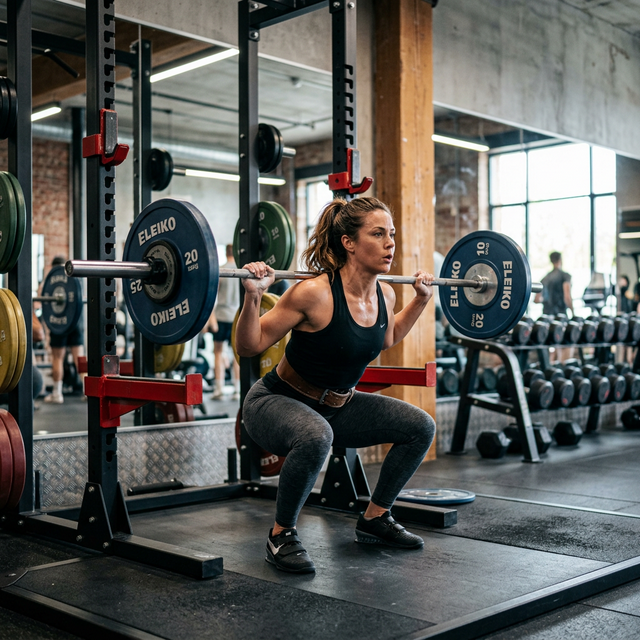
Resistance training is the most impactful exercise strategy for belly fat reduction in women.
Strength training is the single most impactful exercise strategy for belly fat reduction in women \u2014 particularly visceral fat. A 2013 meta-analysis confirmed that resistance training reduces visceral fat independently of weight loss. Postmenopausal women who strength train drastically improve their body composition.
Recommendation: 2–3 sessions per week of compound movements. Women will not "bulk up" from moderate resistance training (building massive muscle requires a massive caloric surplus).
Strategy 4 of 10: Include HIIT Cardio (2–3 Times Per Week)

High-Intensity Interval Training is a time-efficient way to reduce visceral fat, but should be periodised with your menstrual cycle.
High-Intensity Interval Training produces superior belly fat reduction compared to steady-state cardio in women. Keep in mind: HIIT intensity should be scaled during the luteal phase of the cycle when progesterone is elevated and recovery is slower.
Strategy 5 of 10: Optimise Sleep

Sleep disruption has severe hormonal consequences affecting cortisol, ghrelin, and oestrogen in women.
Sleep deprivation disrupts oestrogen regulation, elevates cortisol, and increases ghrelin. Research shows women are more sensitive to the appetite-increasing effects of poor sleep than men. Aim for 7–9 hours.
Strategy 6 of 10: Manage Stress and Cortisol Actively

Active stress management lowers cortisol, directly reducing the physiological signal to store deep abdominal fat.
Women show greater visceral fat accumulation in response to chronic stress, making stress management a direct fat loss intervention. Ensure adequate rest, meditation, and avoid overtraining.
Strategy 7 of 10: Increase Dietary Fibre
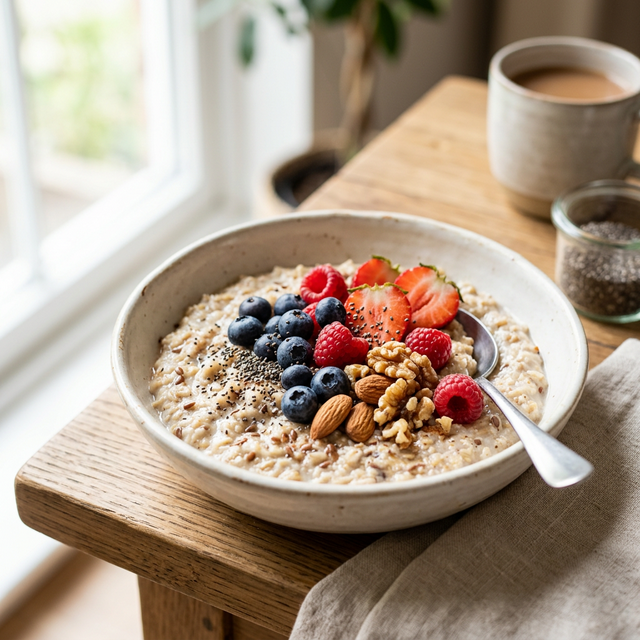
Fibre supports the gut microbiome and aids in oestrogen metabolism, both crucial for a healthy body composition.
Soluble fibre supports the gut microbiome, which is linked to oestrogen metabolism. Target 25 grams of total fibre daily, emphasising oats, lentils, beans, and seeds.
🔗 Related: 15 High Fiber Foods
Strategy 8 of 10: Reduce Alcohol
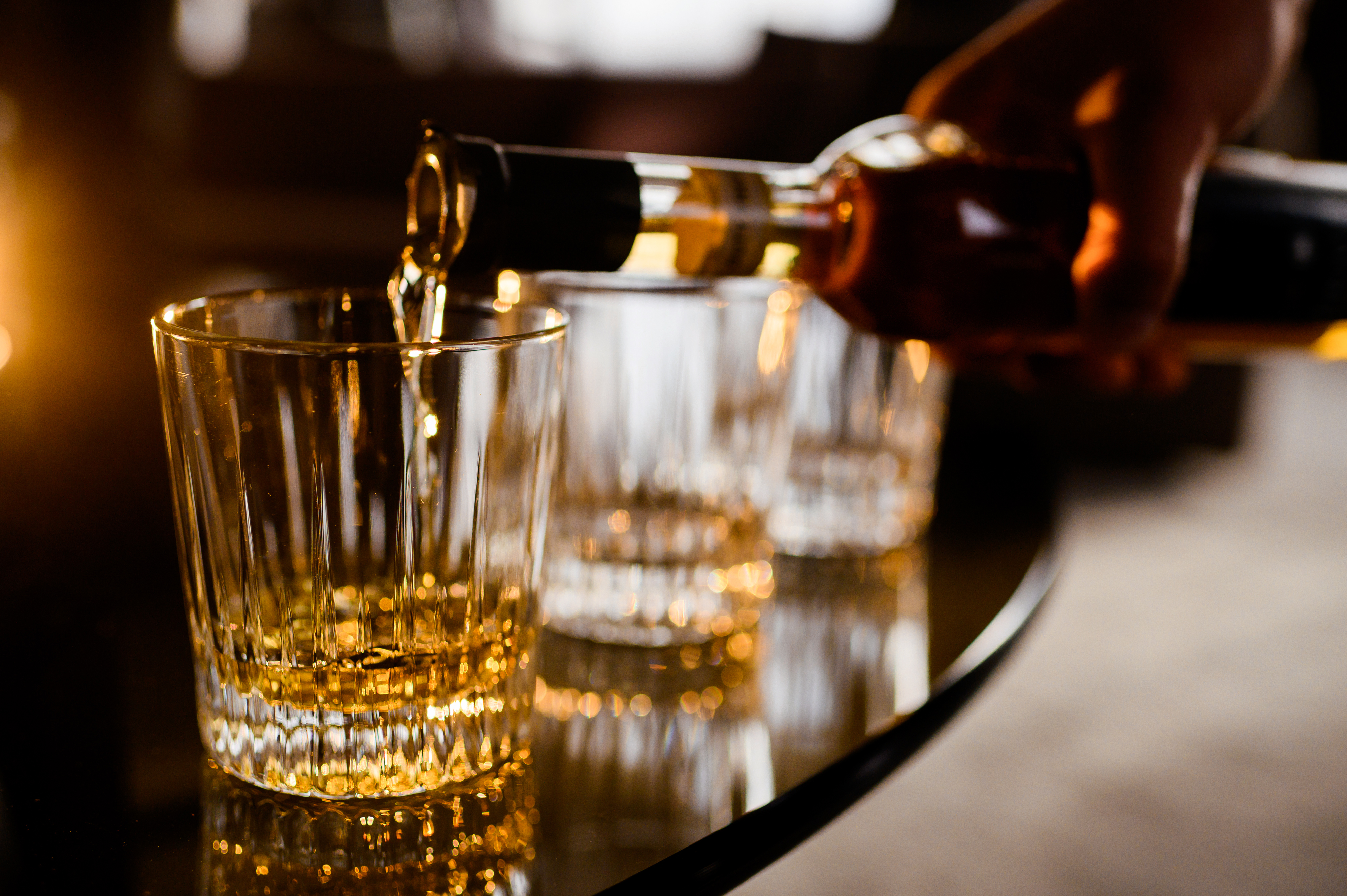
Replacing alcohol with healthier alternatives pays immediate dividends for both hormone balance and waist circumference.
Women metabolise alcohol differently than men. Even moderate drinking is associated with measurably greater abdominal fat accumulation over time.
🔗 Related: The Best and Worst Alcohol for Weight Loss
Strategy 9 of 10: Adapt Your Approach to Your Menstrual Cycle
Cycle-Based Approach
- Follicular (1-14): Peak energy. Ideal for HIIT, lifting heavy, slightly higher carbs.
- Ovulatory (14-16): Peak strength and power output.
- Luteal (15-28): Slower recovery. Lower intensity, slightly more calories, focus on protein to manage cravings.
- Menstrual (1-5): Light movement, yoga, and walking. Eat iron-rich foods.
Strategy 10 of 10: Address Perimenopause and Menopause Proactively
For postmenopausal women, resistance training and high protein intake become even more critical as oestrogen decline accelerates muscle loss.
4. Common Mistakes Women Make
What to Avoid
- Too much cardio: Neglecting strength training hurts your metabolic rate.
- Eating too little: Very low-calorie diets cause serious metabolic stress and amenorrhea.
- Ignoring sleep/stress: The hormonal pathways are direct drivers of visceral fat.
- Weighing daily: Hormonal water fluctuations mask actual progress. Track weekly averages instead!
5. Realistic Timeline for Women
| Timeframe | Expected Changes | Notes for Women |
|---|---|---|
| Week 1\u20132 | 2\u20134 lbs drop, reduced bloating | Water & glycogen. Cycle dependent. |
| Week 3\u20134 | 0.5\u20130.75 lb TRUE fat loss/week | Slower than men due to hormones. |
| Month 2\u20133 | Noticeable waist reduction | Visceral fat reducing. |
| Month 4\u20136 | Visible body composition change | Strength training effects visible. |
6. Sample Week: Evidence-Based Protocol for Women
Follicular/Ovulatory Phase
Luteal Phase (Days 20–28)
The Bottom Line
Losing belly fat as a woman requires the same fundamentals as any fat loss approach \u2014 but with an understanding of how female hormones shape fat storage, mobilisation, and the rate of results.
Key Takeaways
- Moderate deficit: 300–500 cal/day — never severe restriction.
- Protein focus: 0.7–1.0g/lb for muscle preservation and satiety.
- Lift weights: 2–3x per week — the most impactful exercise for visceral fat in women.
- Sleep & Stress: Protects oestrogen, cortisol, and hunger hormones (7-9 hours).
- Cycle tracking: Honour natural fluctuations rather than fighting them.
Frequently Asked Questions
Sources & References
- [1] Toth MJ et al. (2000). "Sex differences in visceral fat mobilisation." Journal of Applied Physiology.
- [2] Lovejoy JC et al. (2008). "Increased visceral fat and decreased energy expenditure during the menopausal transition." International Journal of Obesity.
- [3] Epel ES et al. (2000). "Stress and body shape: cortisol secretion is consistently greater among women with central fat." Psychosomatic Medicine.
- [4] Weigle DS et al. (2005). "A high-protein diet induces sustained reductions in appetite." AJCN.

Hassan Khan
Health Researcher & Founder
Hassan Khan is a health researcher and writer specializing in evidence-based nutrition and fitness. He founded Natural Health Basics to bridge the gap between peer-reviewed research and practical daily health guidance.
Full Medical Disclaimer
The information on Natural Health Basics is for educational purposes only. It is not medical advice or as a substitute for professional diagnosis or treatment. Always consult with a qualified health provider regarding underlying conditions. Unexplained abdominal weight gain warrants medical evaluation. Do not use information in this article to diagnose or treat a medical condition.