Sugar cravings are driven by dopamine reward circuits, blood sugar crashes, nutrient deficiencies (particularly magnesium and chromium), stress hormones, sleep deprivation, and habitual eating patterns - not a lack of willpower. The most effective foods to eat when craving sugar are those that satisfy the sweet taste, stabilise blood sugar, and address the underlying hormonal driver simultaneously. This guide covers 15 research-backed options that work better than reaching for a chocolate bar.
Introduction: Why You Crave Sugar in the First Place
Before covering what to eat, it is worth understanding why the craving exists - because the cause determines the most effective response.
Sugar cravings are not random. Research in Neuroscience & Biobehavioral Reviews (2008) confirmed that sugar consumption activates the same dopamine reward pathways in the brain as nicotine and alcohol - producing a genuine neurochemical pull toward sweet foods that has nothing to do with hunger or nutritional need.
The six most common drivers of sugar cravings:
- 1. Blood sugar crash: After a meal high in refined carbohydrates, blood glucose rises rapidly then crashes due to an insulin overshoot. This crash triggers an urgent craving for sugar to restore blood glucose quickly. Research using continuous glucose monitors in Nature Metabolism (2021) found that the depth of the post-meal glucose dip - not the peak - was the strongest predictor of subsequent food cravings.
- 2. Stress and cortisol: Cortisol - the primary stress hormone - directly stimulates appetite for calorie-dense, high-sugar foods. Research in Psychoneuroendocrinology (2001) found that cortisol elevation specifically increased intake of sweet and high-fat foods - a response hardwired into the stress system as a survival mechanism.
- 3. Sleep deprivation: One poor night of sleep increases ghrelin (hunger hormone) by 24%, reduces leptin (satiety hormone) by 18%, and - specifically - elevates endocannabinoid levels that drive cravings for sweet and salty snacks, per research in Sleep (2016). This is why everything tastes more appealing when you are tired.
- 4. Magnesium deficiency: Chocolate cravings in particular are frequently linked to magnesium insufficiency - chocolate is one of the richest dietary sources of magnesium. Research in Medical Hypotheses (2009) proposed that chocolate cravings represent a form of nutritional self-medication for magnesium deficiency, which affects an estimated 50% of adults.
- 5. Habit and environment: Research in Appetite (2018) confirmed that food cravings are strongly conditioned by environmental cues - the smell of a bakery, a specific time of day, watching TV, or walking past the vending machine. These environmental triggers activate the reward system independent of nutritional need.
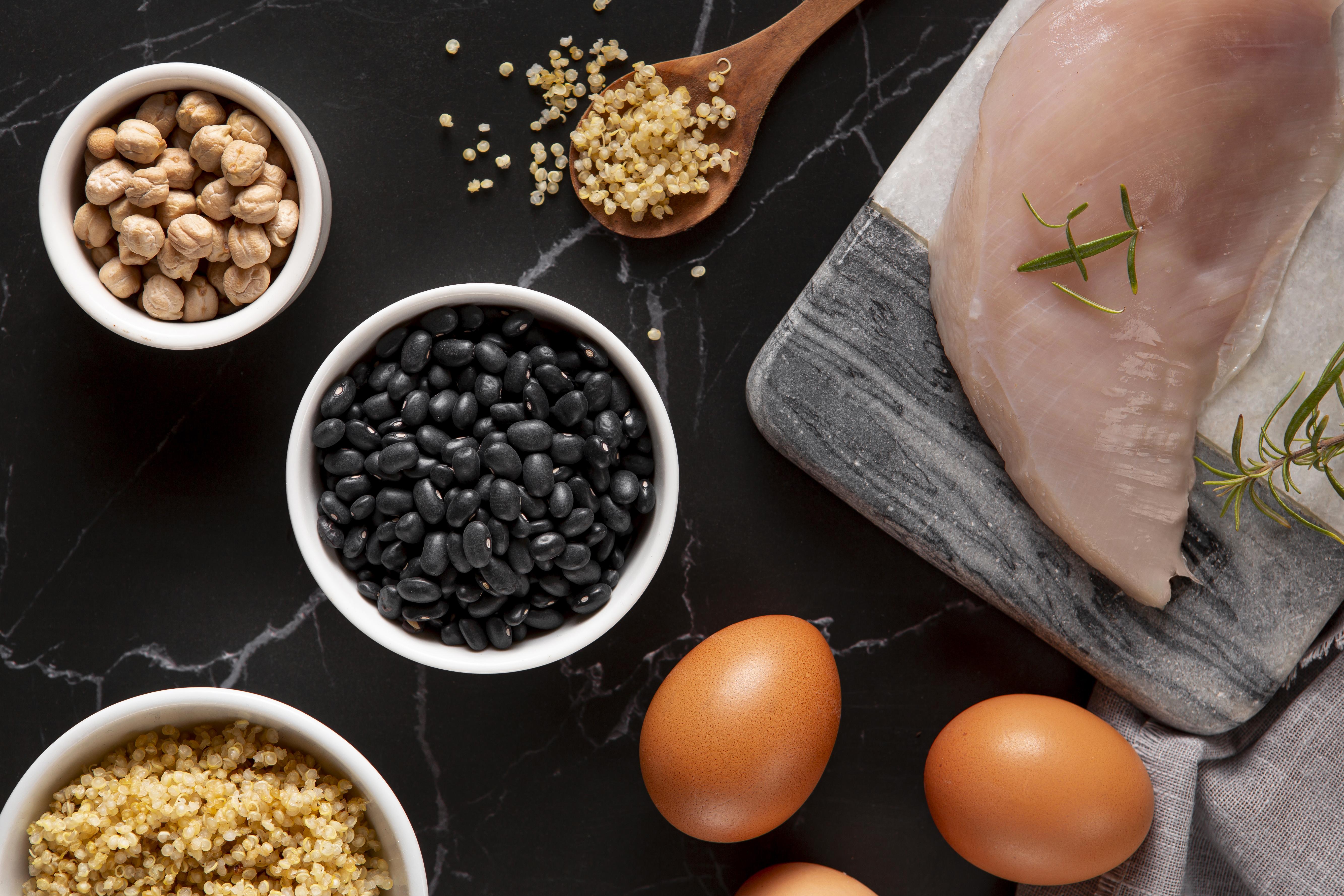
- 6. Inadequate protein and fibre: Low satiety from insufficient protein and fibre creates a hormonal environment of elevated ghrelin and reduced GLP-1 - making sweet, calorie-dense foods disproportionately appealing as a quick energy solution.
Understanding which driver is active determines the most effective response - and the foods below are chosen because they address multiple drivers simultaneously.
The 15 Best Foods to Eat When Craving Sugar
1 Fresh Berries
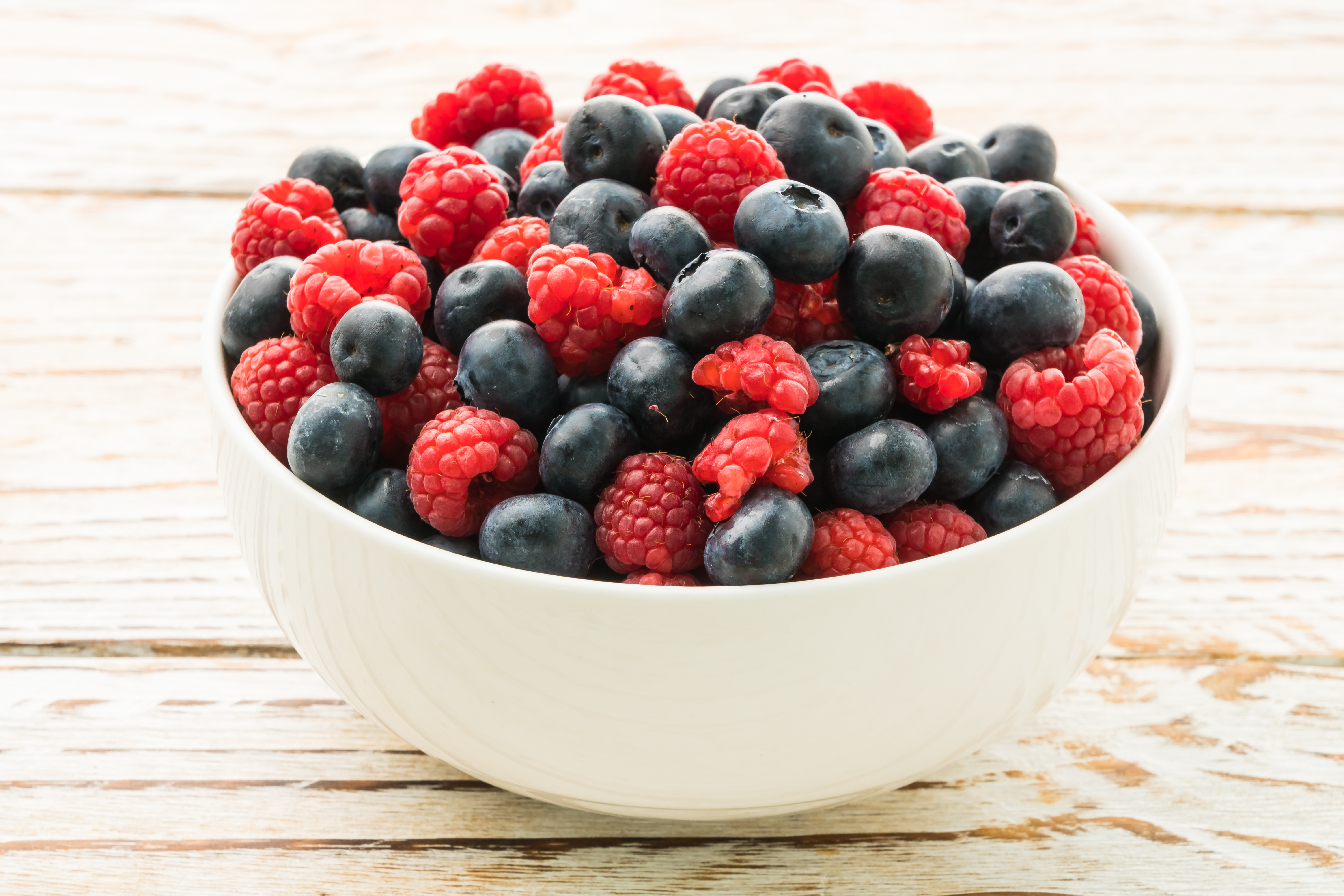
Berries - strawberries, blueberries, raspberries, blackberries - are the most evidence-supported sweet food for managing sugar cravings. They provide genuine sweetness from natural fructose, packaged with enough fibre to prevent the glucose spike that drives the craving cycle.
Research in Journal of Nutrition (2010) found that berries produced a significantly lower glycaemic response than other fruits despite comparable sweetness ratings - attributed to their high anthocyanin content, which slows carbohydrate digestion.
A 2013 study in Appetite found that consuming whole fruit when craving sweet foods reduced subsequent intake of refined sugar significantly more than consuming fruit juice of identical sugar content - confirming the fibre matrix as the critical variable.
Why berries work
2 Dark Chocolate (85%+)
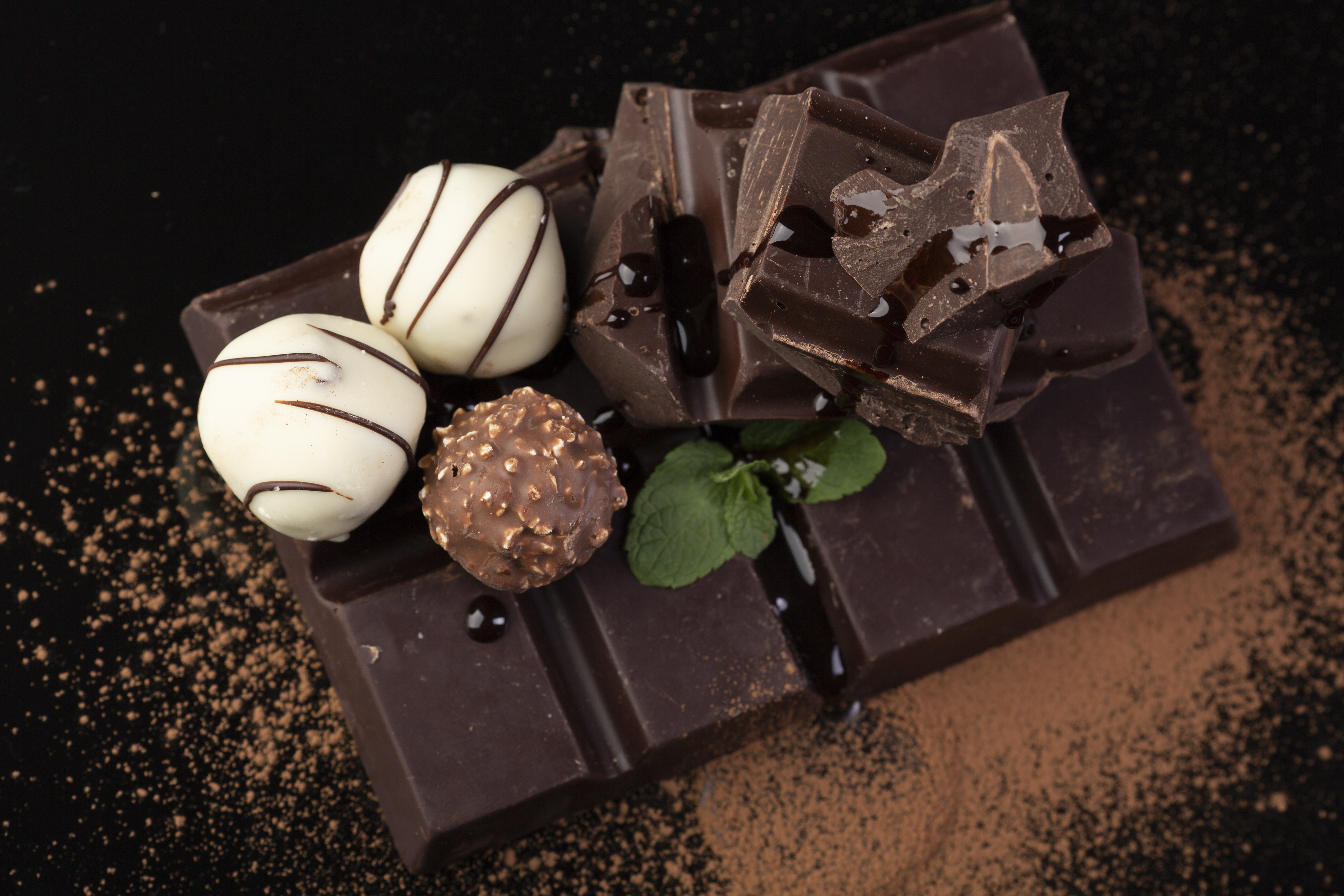
Dark chocolate at 85% or higher cocoa content is one of the most effective craving satisfiers available - addressing the sweet taste, the magnesium deficiency driver, and the dopamine response simultaneously.
A 25g serving of 85% dark chocolate contains approximately 52mg of magnesium - addressing the deficiency most commonly linked to chocolate cravings specifically. It also contains theobromine (a mild stimulant that elevates mood without the crash of caffeine), polyphenols that support gut health, and enough residual sweetness to satisfy a craving without the blood sugar spike of milk chocolate.
Research in Nutrients (2017) found that dark chocolate consumption was associated with significantly lower anxiety and improved mood - suggesting a legitimate neurochemical benefit beyond simple taste satisfaction.
Practical note: 70% cocoa is a reasonable starting point if 85% tastes too bitter. Gradually increasing the cocoa percentage over 23 weeks recalibrates taste sensitivity.
3 Greek Yogurt With Berries and Honey
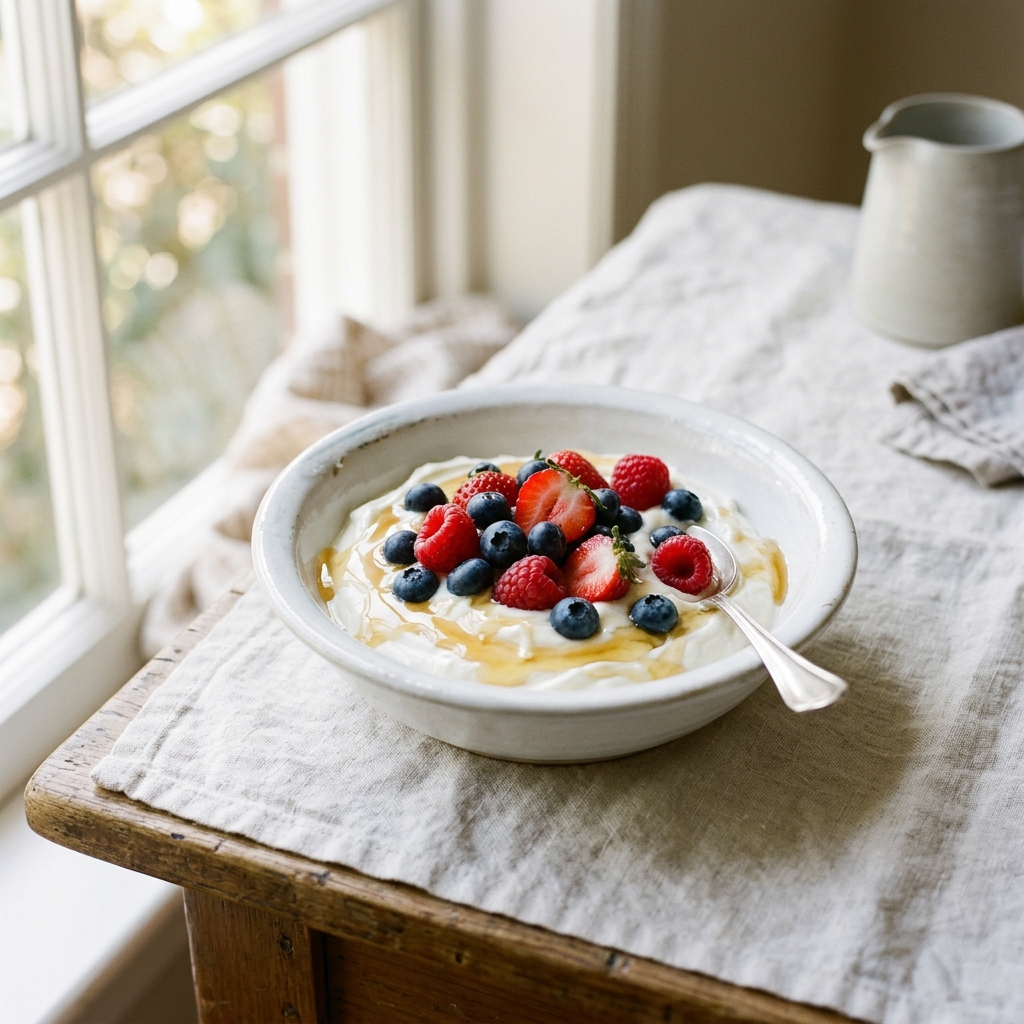
Greek yogurt combined with fruit and a small amount of raw honey is one of the most nutritionally complete craving responses available - addressing the sweet taste, the protein deficit, blood sugar stability, and gut health simultaneously.
Non-fat Greek yogurt provides approximately 17g of protein per 170g serving - enough to significantly elevate GLP-1 and PYY (satiety hormones) and reduce ghrelin. The casein protein in yogurt is slow-digesting, providing sustained amino acid release that stabilises blood sugar for several hours.
Construction
4 Medjool Dates (12 Maximum)
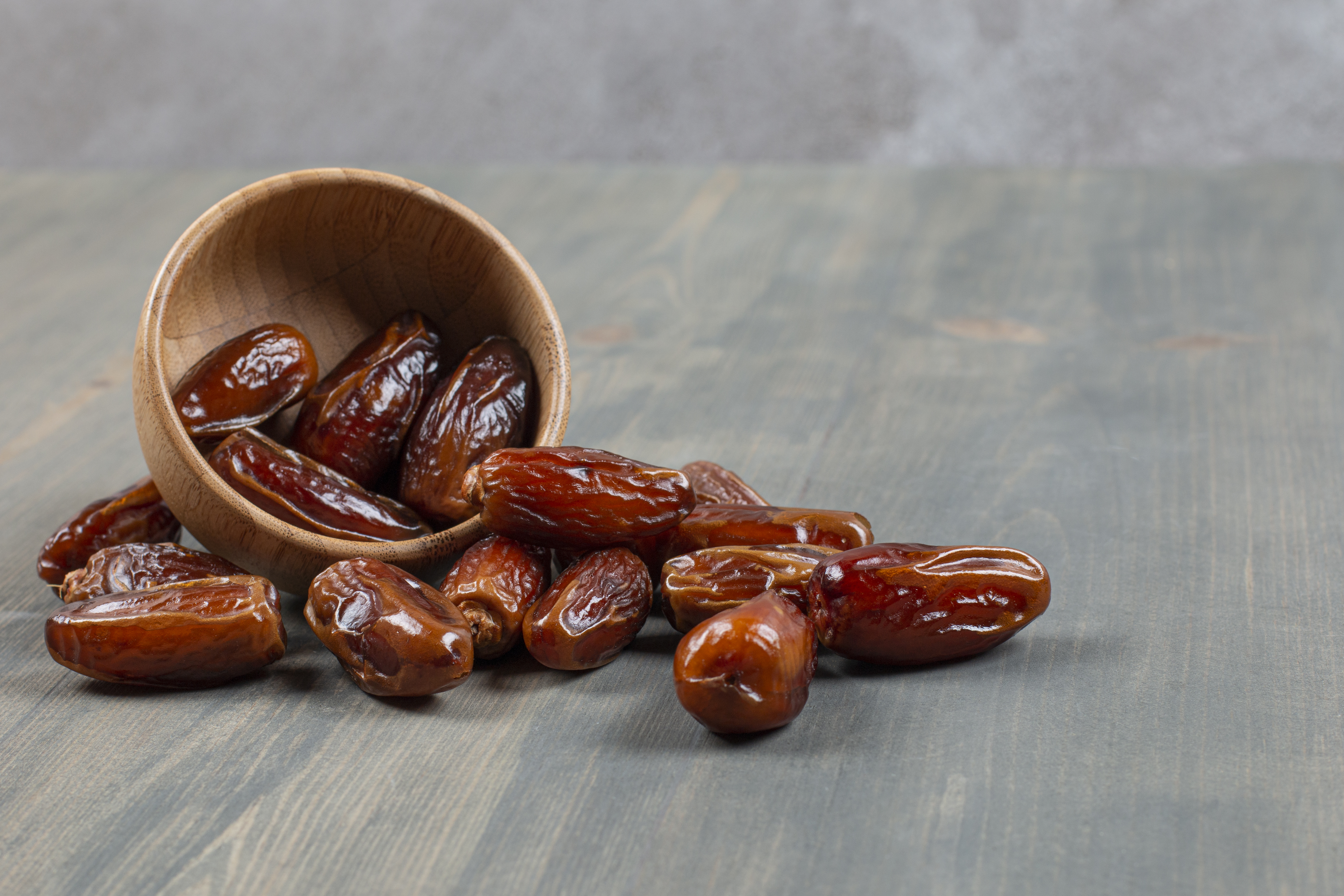
Dates are one of the sweetest whole foods available - with a caramel-like flavour profile that satisfies intense sugar cravings more effectively than lower-sugar alternatives for some people.
A 2011 study published in Nutrition Journal specifically tested the glycaemic index of Medjool, Hallawi, and Khalas dates in healthy and diabetic subjects and found that all varieties had a low-to-moderate glycaemic index (3555) - significantly lower than the GI of refined sugar (6570) or white bread (70+).
5 Apple With Nut Butter
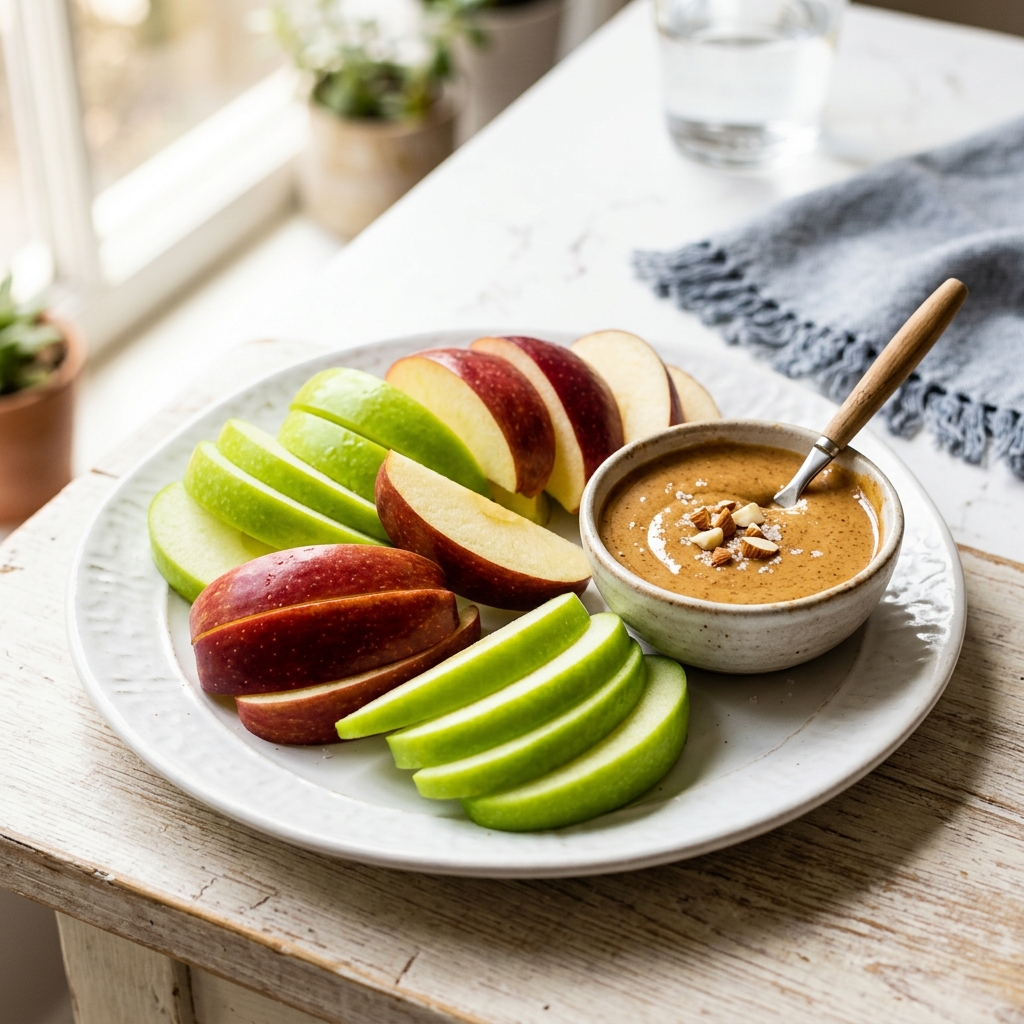
Apple slices with almond butter or peanut butter combine the natural sweetness and crunch of fresh fruit with the protein, fat, and fibre combination that most effectively blunts glucose response and drives satiety.
Research in European Journal of Nutrition (2006) found that adding fat and protein to carbohydrate-containing snacks reduced the glycaemic index of the meal significantly - confirming the blood sugar stabilising effect of combining macronutrients.
6 Banana With Protein
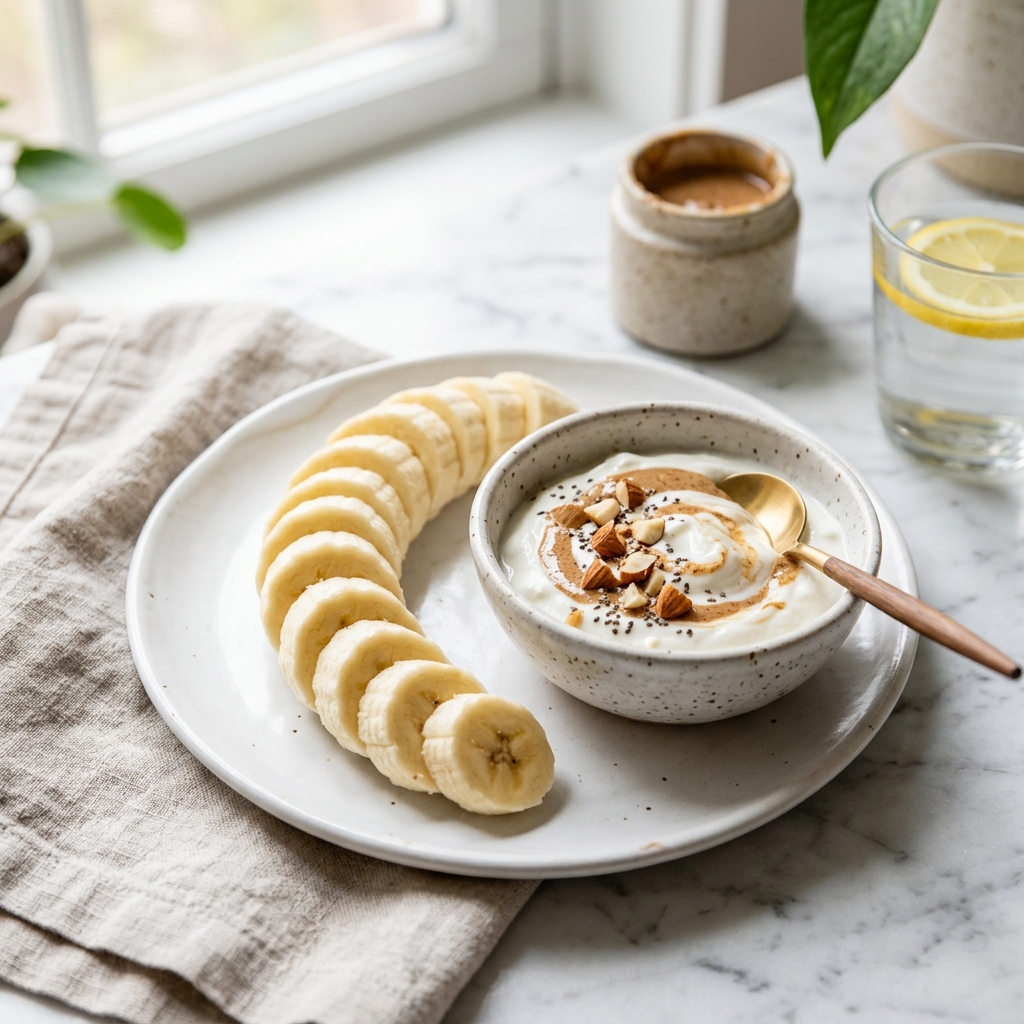
Banana is one of the most naturally sweet whole foods available and provides a rapid satiety response when paired with a protein source.
- Banana + Greek yogurt (dip slices into yogurt)
- Banana + 2 tablespoons almond butter
- Banana blended into a whey protein shake
- Sliced banana on cottage cheese with cinnamon
7 Sweet Potato (Roasted or as a Snack)
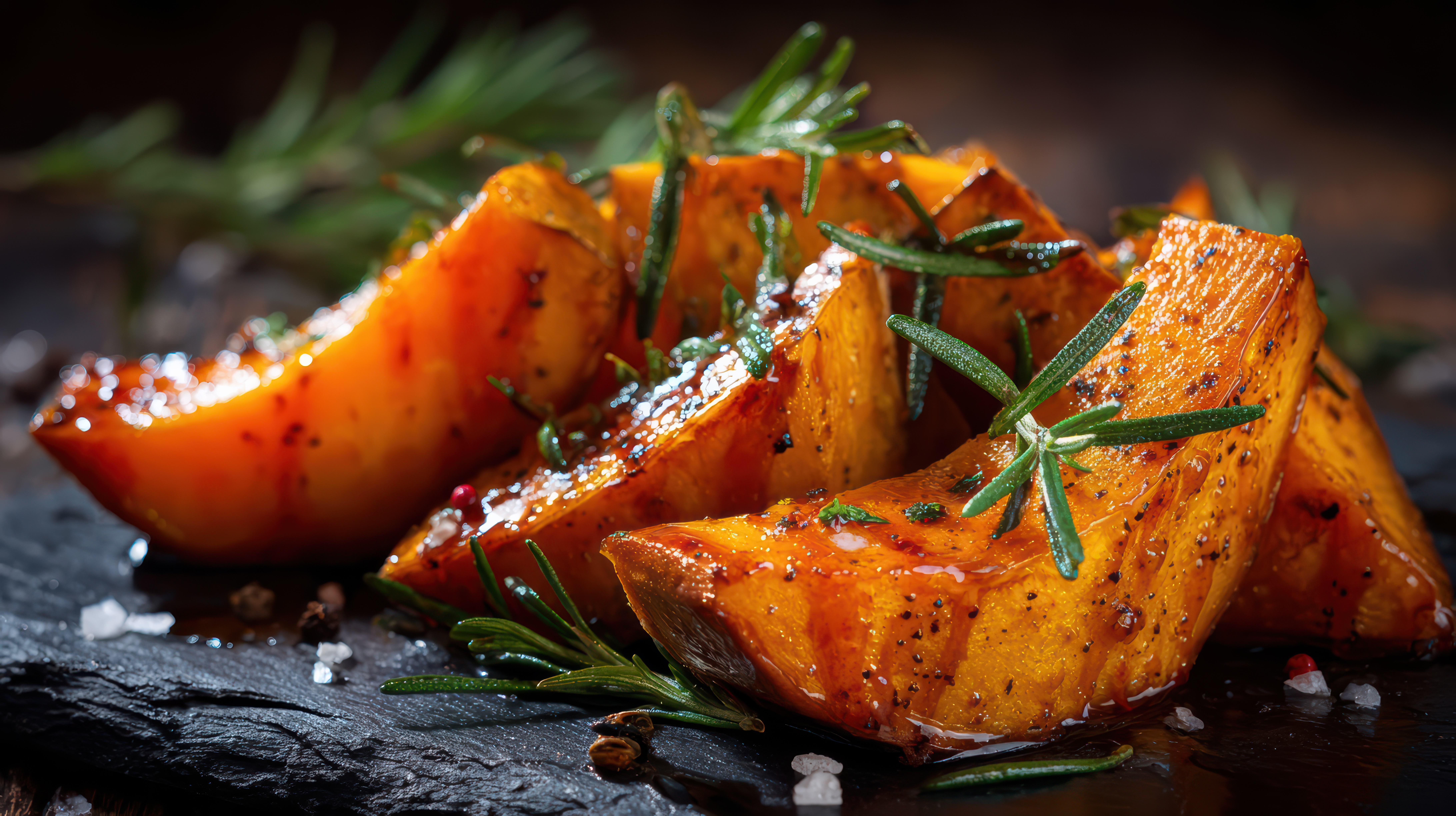
Roasted sweet potato satisfies sweet cravings through its complex carbohydrate and natural sugar content combined with high fibre, vitamins, and minerals that provide genuine nutritional value alongside the sweet taste.
They contain significant amounts of magnesium and chromium - two minerals specifically linked to improved insulin sensitivity and reduced sugar cravings.
8 Frozen Banana "Nice Cream"
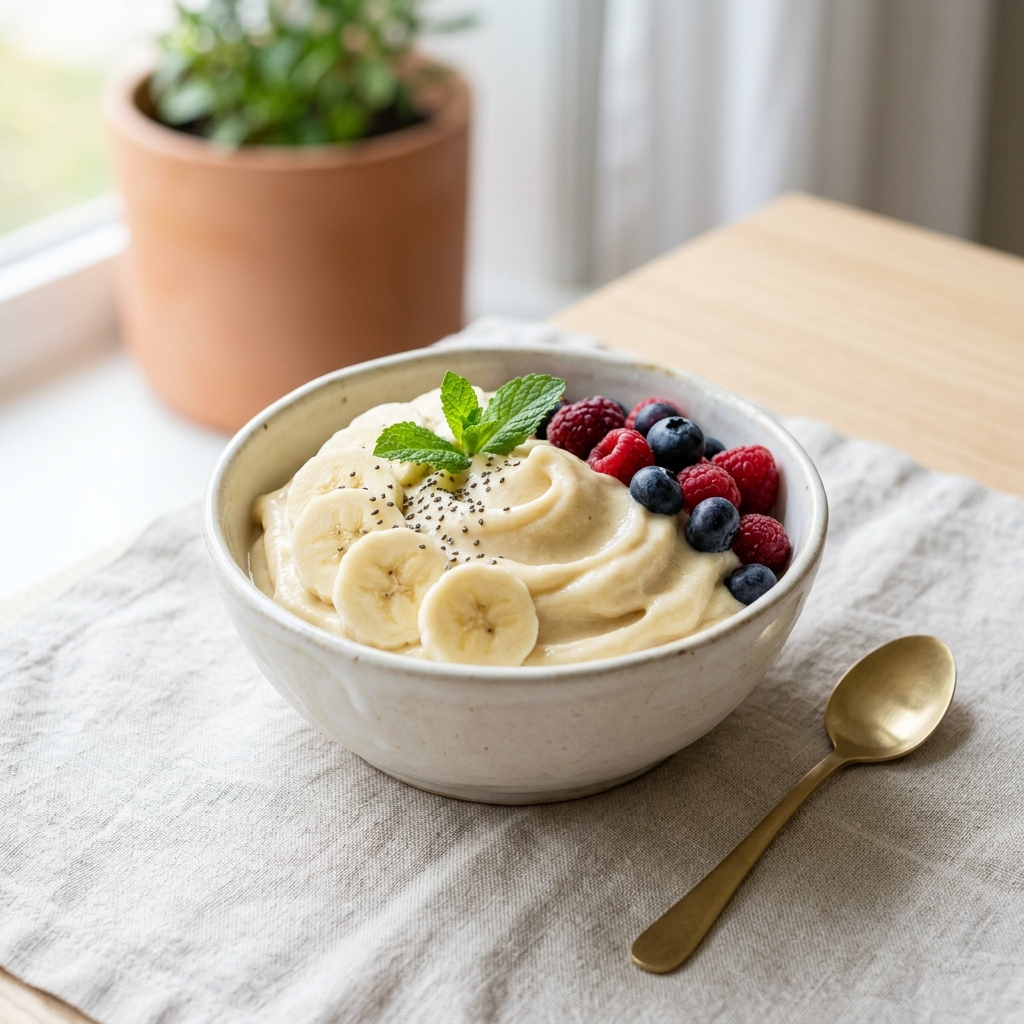
Blended frozen banana produces a texture virtually identical to ice cream - creamy, smooth, and cold - making it one of the most effective substitutes for conventional ice cream during a craving episode.
- Related: What Happens When You Stop Eating Sugar9 Cottage Cheese With Pineapple
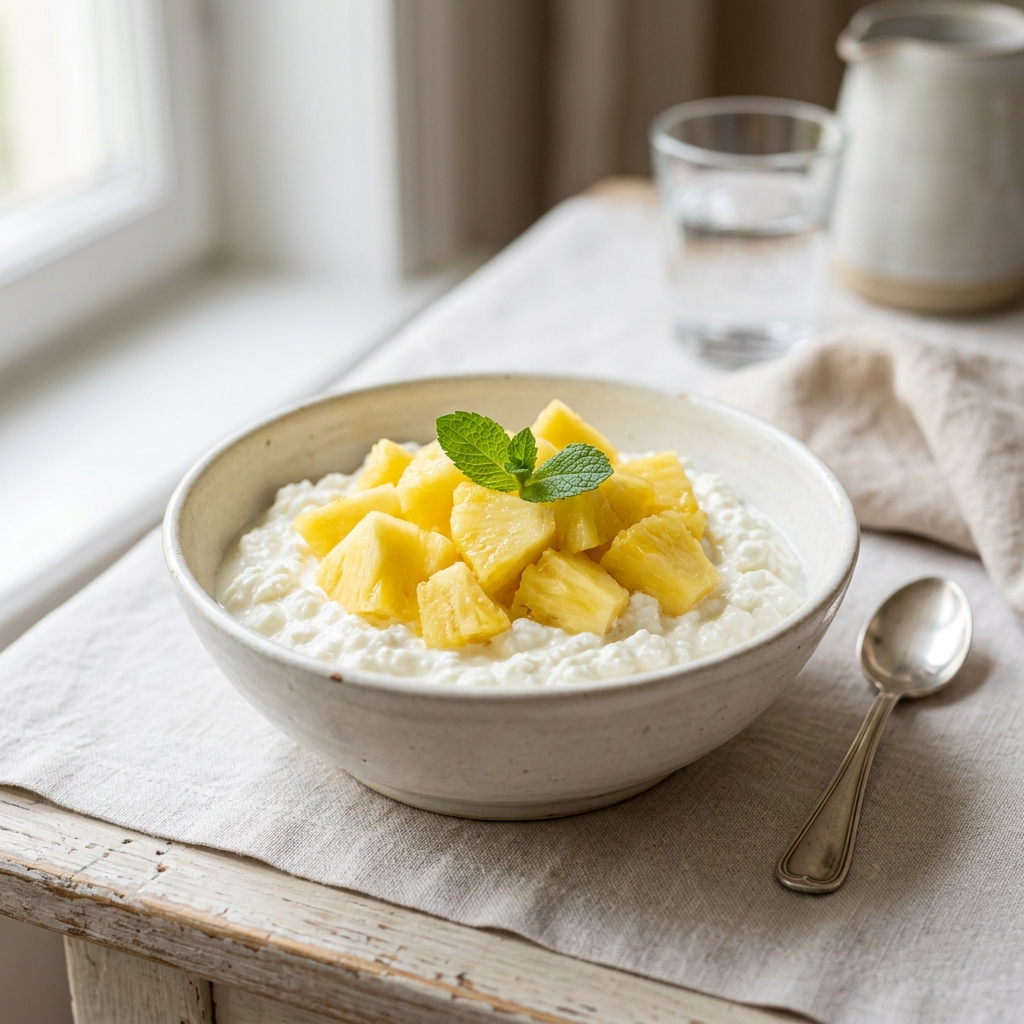
Cottage cheese with fruit is one of the most nutritionally complete craving-management foods available. A 150g serving provides approximately 17g of casein protein - slow-digesting protein that extends satiety for 34 hours.
10 Oats With Cinnamon and Fruit
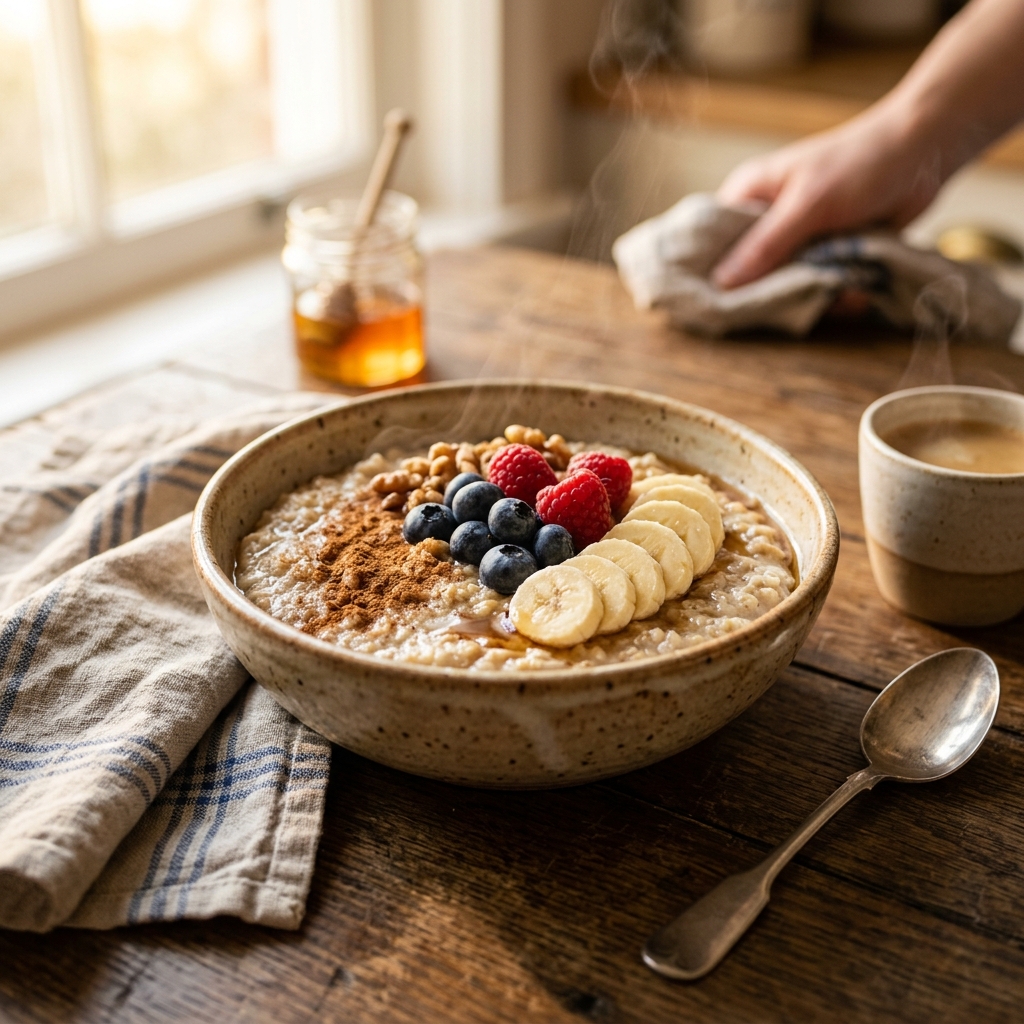
A small bowl of oats when craving sugar addresses the most common underlying driver - blood sugar instability - more effectively than any other carbohydrate source. Adding cinnamon provides both sweetness and a specific glucose-lowering effect.
11 Chia Seed Pudding
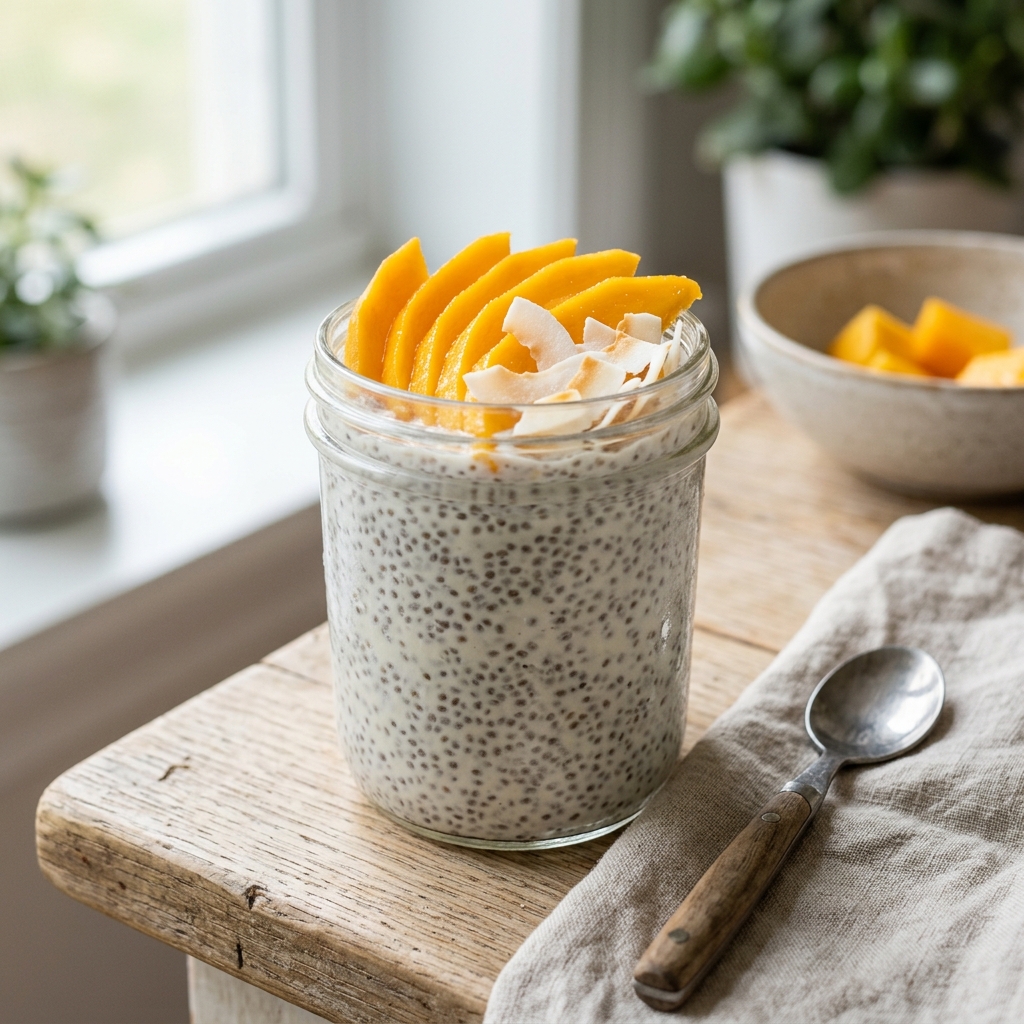
Chia seed pudding produces a thick, creamy texture that satisfies the desire for a dessert-like experience while providing outstanding nutritional value (fibre and omega-3s).
12 A Piece of Fruit With Cheese
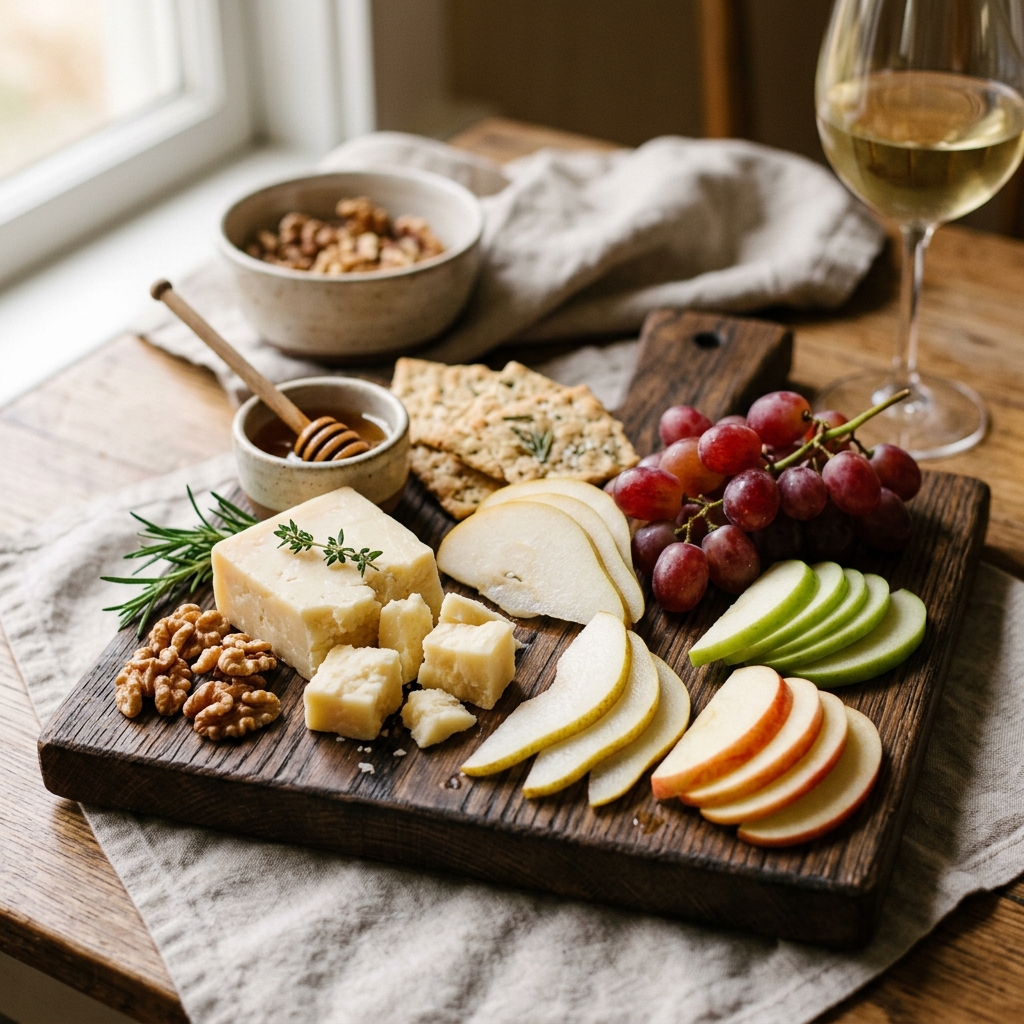
The combination of fruit and cheese works particularly well for sugar cravings because it combines natural sweetness with fat and protein in a satisfying sensory experience, slowing the absorption of natural sugars.
13 Homemade Energy Balls
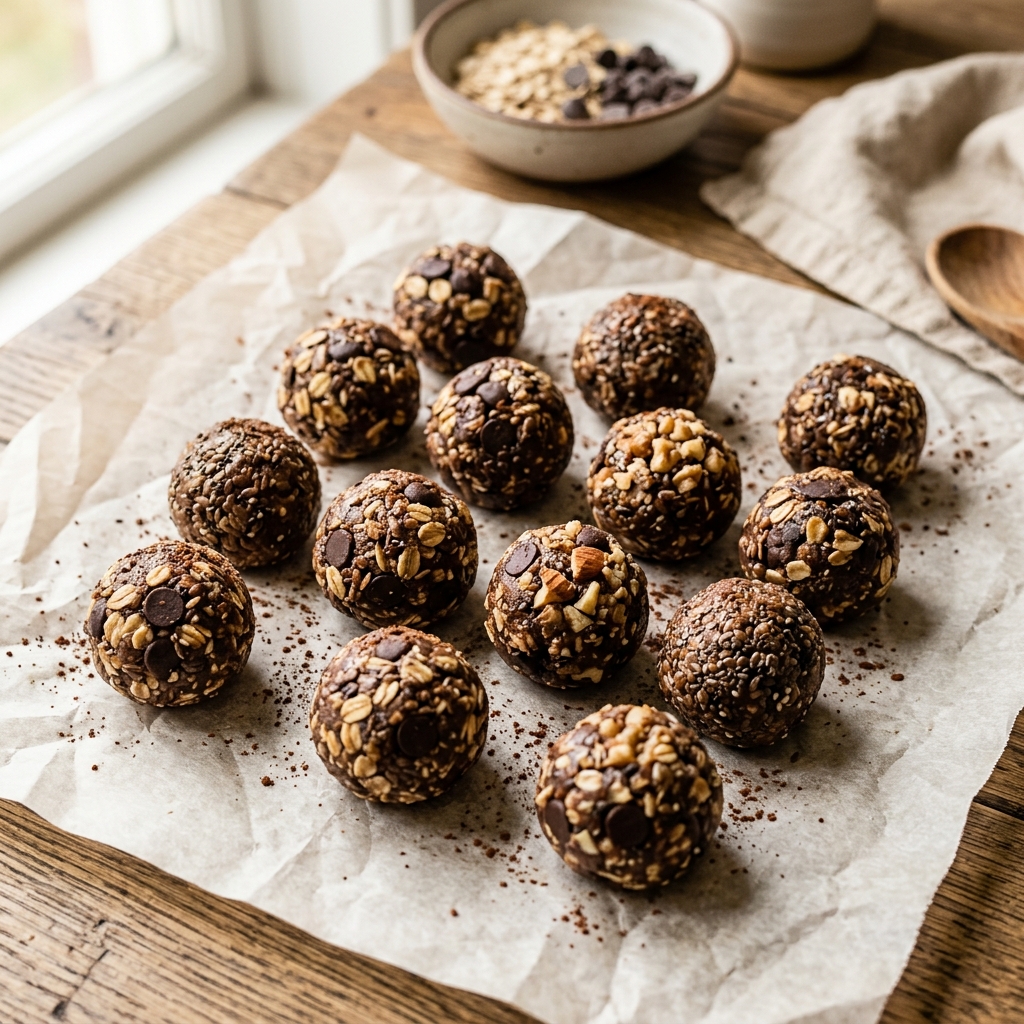
Typically made from oats, nut butter, honey, and add-ins like dark chocolate chips, dried fruit, or seeds - these provide genuine satisfaction while delivering fibre, protein, and healthy fats.
14 Warm Milk With Cinnamon and Vanilla

For evening sugar cravings specifically, a mug of warm milk provides satisfaction. Milk contains tryptophan (precursor to serotonin/melatonin), and vanilla extract provides an intensely sweet aroma that activates the reward system through olfactory pathways.
15 A Small Handful of Dried Fruit and Nuts
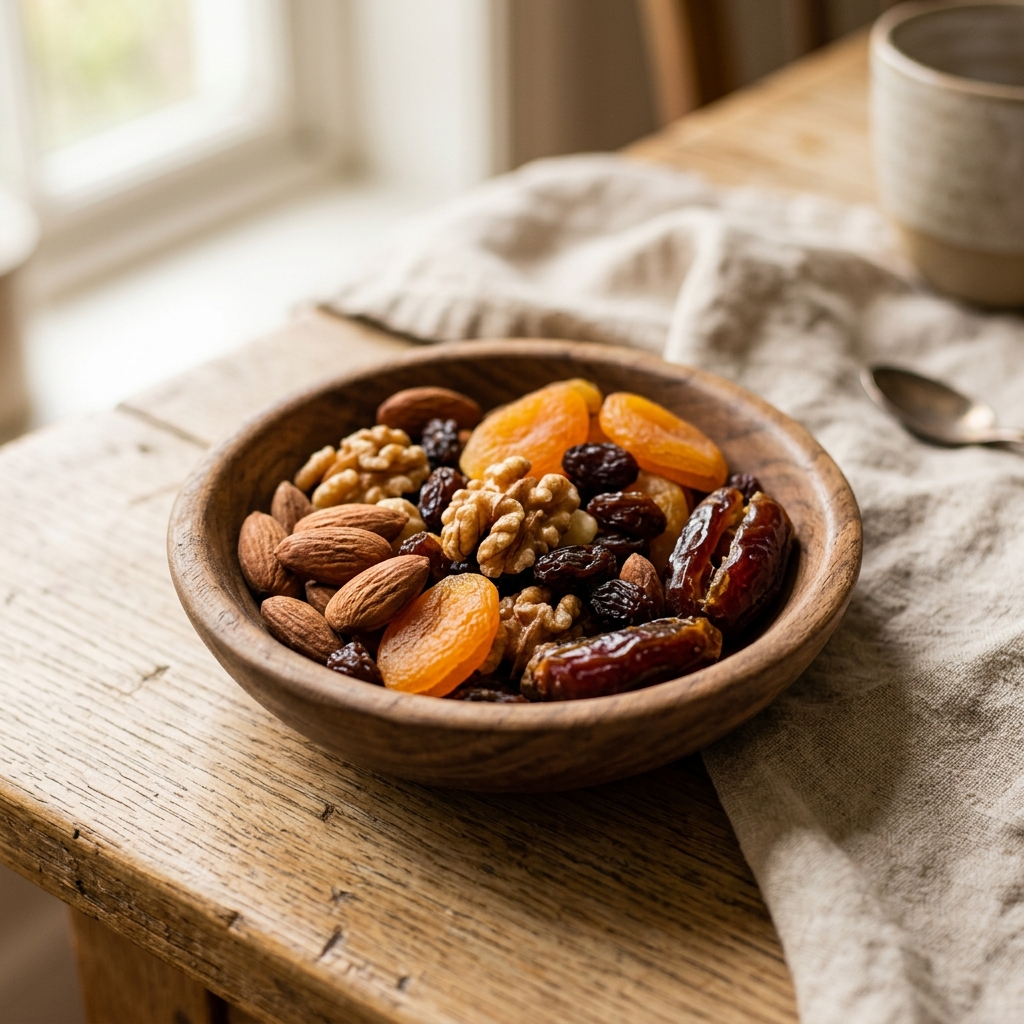
When time is short, combining dried fruit (dates, raisins, apricots) with mixed nuts provides sweetness, fat, protein, and fibre in a portable option. Portion control is key.
What NOT to Eat When Craving Sugar
Artificial Sweeteners - Use With Caution
A 2012 study in Trends in Endocrinology & Metabolism found that artificial sweeteners may decouple the sweet taste signal from its expected caloric consequence - potentially increasing appetite for sweet foods over time.
Fruit Juice - Even "Natural"
Fruit juice removes the fibre that makes whole fruit an effective craving management food. Without fibre, the fructose in juice produces a rapid blood glucose spike followed by a crash.
Low-Fat Sweetened Products
"Low-fat" yogurts, granola bars, and similar products typically compensate for reduced fat with significantly increased sugar.
Addressing the Root Cause
Choosing better foods is a short-term strategy. Addressing the underlying drivers permanently reduces craving frequency and intensity.
- If cravings hit at the same time every day: This is habitual. Change the environment at the trigger time for 23 weeks.
- If cravings are worst after meals: Blood sugar instability is the driver. Ensure every meal includes protein, fat, and fibre.
- If cravings are worst under stress: Cortisol is the driver. Stress management through mindfulness, breathing, or physical movement is key.
- If cravings are worst when tired: Sleep deprivation is the driver. Improving sleep quality reduces sweet cravings more effectively than dietary changes.
Frequently Asked Questions
The Bottom Line
Sugar cravings are physiological - driven by hormones, blood sugar patterns, nutrient deficiencies, sleep deprivation, and conditioned habit - not by a lack of willpower or discipline.
The foods that work best are those that address the underlying driver of the craving - not just the taste. Combine better food choices with root cause interventions for a permanent reduction in craving frequency.

Hassan Khan
Health writer and researcher
Hassan is a health writer and researcher focused on translating peer-reviewed studies into practical, evidence-based guidance on nutrition, fitness, and sleep.
Sources & References
- Avena NM et al. (2008). "Evidence for sugar addiction: behavioral and neurochemical effects." Neuroscience & Biobehavioral Reviews.
- Epel ES et al. (2001). "Stress may add bite to appetite." Psychoneuroendocrinology.
- Taheri S et al. (2004). "Short sleep duration is associated with reduced leptin, elevated ghrelin." PLOS Medicine.
- Weiss R et al. (2009). "Chocolate cravings and magnesium deficiency." Medical Hypotheses.
- Muraki I et al. (2013). "Fruit consumption and risk of type 2 diabetes." BMJ.