
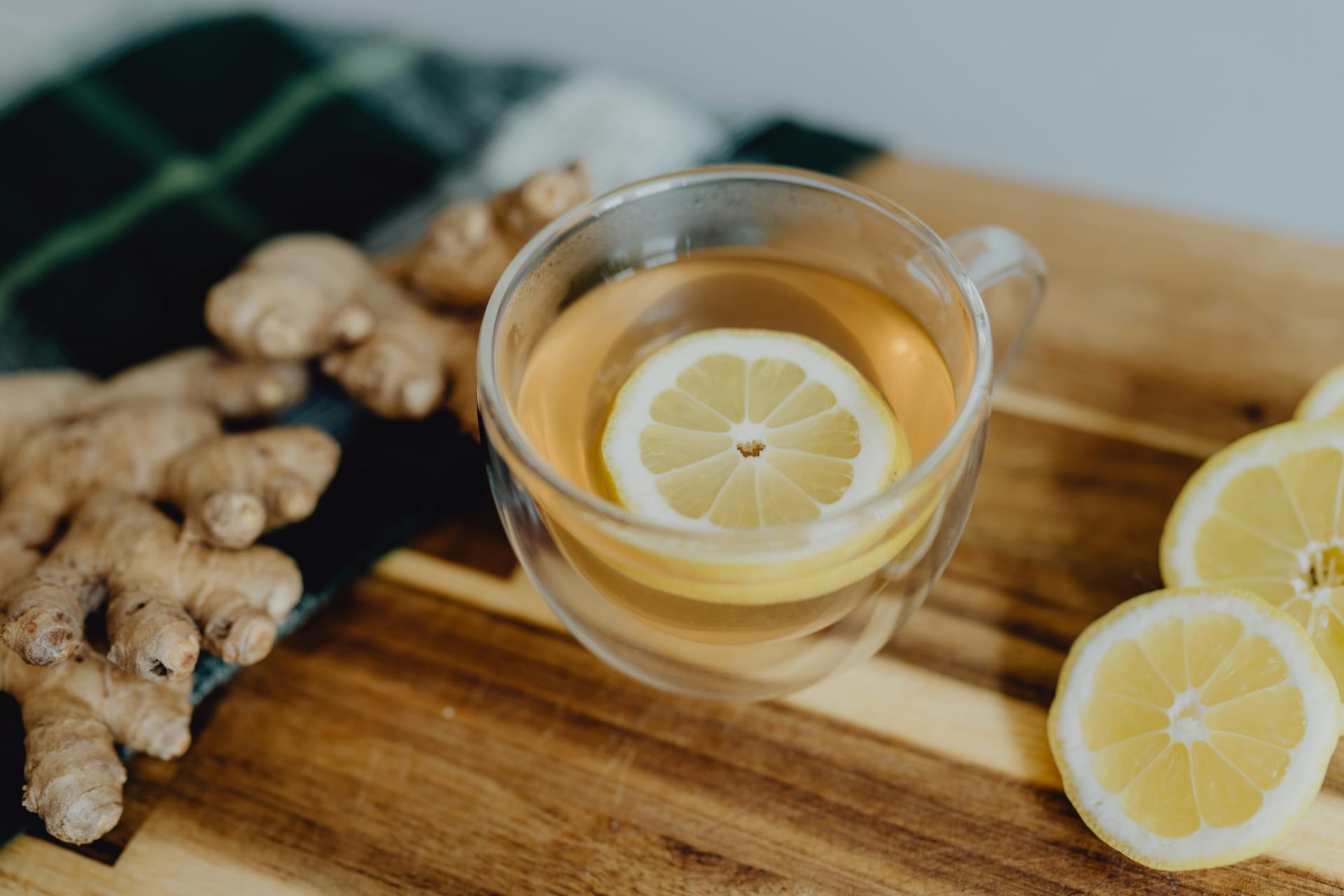
Most turmeric and ginger articles lump them together as "anti-inflammatory spices" and call it a day. That's a mistake.
When you add turmeric to your curry or ginger to your tea, you're delivering two specific bioactive compounds to your body — and they **don't** work the same way.
Curcumin
Bright yellow polyphenol. Fat-soluble.
Primary Mechanism:
Inhibits NF-κB (The "On Switch" for chronic inflammation).
Gingerol
Pungent compound. Water-soluble.
Primary Mechanism:
Inhibits COX-2 (The same target as Ibuprofen) & Blocks Serotonin Receptors.
"They Do The Same Thing"
❌ The Claim
"They're both anti-inflammatory, so just use whichever one you have. They're interchangeable."
✅ The Reality
Curcumin works on chronic, systemic inflammation (arthritis, heart health). Gingerol works faster on acute inflammation (sore muscles, cramps). Using them interchangeably means under-dosing.
1. Fighting Inflammation
What Curcumin Does (Systemic & Chronic)
It inhibits NF-κB, a master regulator protein. Think of NF-κB as a light switch that turns on chronic inflammation. Curcumin flips that switch off. It takes time to build up but protects multiple systems.
What Gingerol Does (Acute & Targeted)
It inhibits COX-2 and 5-LOX enzymes — the exact same targets as NSAIDs like ibuprofen. Unlike curcumin, gingerol works effectively within hours.
2. Digestive Health (Clear Winner: Ginger)
While Curcumin helps with gut inflammation (like IBD), Ginger is the undisputed king of acute digestive relief.
Curcumin's Role
Supports bile production and reduces deep intestinal inflammation (Colitis/Crohn's).
Gingerol's Role
Speeds gastric emptying, blocks serotonin receptors (stops nausea), relaxes smooth muscles.
Ginger vs. Nausea: The Numbers
Average reduction in nausea severity
Across 12 randomized controlled trials.
3. Joint Pain & Arthritis
Where Curcumin Dominates
For Osteoarthritis and Rheumatoid Arthritis, Curcumin protects the cartilage itself. It's not just masking pain; it inhibits the enzymes (MMPs) that degrade your joints.
Curcumin vs. Ibuprofen (2016 Study)
1,500mg Curcumin vs. 1,200mg Ibuprofen. Result: Identical pain reduction after 4 weeks, but Curcumin had fewer side effects.
4. Immune Support
Curcumin
Mechanism
Modulates immune response (doesn't just "boost" it). Increases antibody response without triggering cytokine storms.
Gingerol
Mechanism
Direct antiviral activity. Specifically inhibits HRSV (Human Respiratory Syncytial Virus) attachment to cells.
The 1% Problem (Read This)
Without help, your body absorbs less than 1% of the curcumin you eat. It just passes through you. You MUST follow these rules.
How to Actually Absorb Them
For Curcumin
- 1Black Pepper (Piperine)
Non-negotiable. Increases absorption by **2,000%**.
- 2Fat Source
Curcumin is fat-soluble. Eat with oil, yogurt, or avocado.
- 3Heat
Simmering increases solubility (Golden Milk > Raw Powder).
For Gingerol
- 1Fresh > Dried (For Pain)
Fresh ginger has most Gingerol. Best for immunity/pain.
- 2Dried/Heated (For Nausea)
Heat converts Gingerol to Shogaol, which is stronger for nausea.
Synergistic Dosing Calculator
Slide to adjust. Therapeutic dose is usually 1,500-2,000mg.
The Stacking Strategy
When to prioritize one over the other.
Chronic Arthritis
Curcumin
Gingerol
Targets chronic inflammation & cartilage.
Acute Muscle Soreness
Gingerol
Curcumin
Faster action on acute pain pathways.
Nausea / Bloating
Gingerol
—
Blocks serotonin receptors specifically.
Digestive IBD
Curcumin
Gingerol
Reduces deep gut inflammation.
Heart Health
Both
—
Curcumin for vessels, Ginger for BP.
Brain / Memory
Curcumin
—
Crosses blood-brain barrier (Amyloid).
Weight Loss
Both
—
Curcumin (Insulin) + Ginger (Thermogenesis).
| Condition | Primary | Supporting | Why? |
|---|---|---|---|
| Chronic Arthritis | Curcumin | Gingerol | Targets chronic inflammation & cartilage. |
| Acute Muscle Soreness | Gingerol | Curcumin | Faster action on acute pain pathways. |
| Nausea / Bloating | Gingerol | — | Blocks serotonin receptors specifically. |
| Digestive IBD | Curcumin | Gingerol | Reduces deep gut inflammation. |
| Heart Health | Both | — | Curcumin for vessels, Ginger for BP. |
| Brain / Memory | Curcumin | — | Crosses blood-brain barrier (Amyloid). |
| Weight Loss | Both | — | Curcumin (Insulin) + Ginger (Thermogenesis). |