Note: This article is for informational purposes only and does not constitute medical advice. Always consult a healthcare provider.
Yes — you can lose weight without exercise. Research consistently shows that diet accounts for 70–80% of weight loss outcomes. The most effective strategies are: creating a moderate caloric deficit, eating high protein, reducing ultra-processed foods, improving sleep quality, managing stress, and increasing daily NEAT movement.
Introduction
The idea that you must exercise to lose weight is one of the most persistent myths in health. While exercise has enormous benefits for cardiovascular health, it is not the primary driver of fat loss.
Research published in the British Journal of Sports Medicine (2015) stated plainly that you cannot outrun a bad diet. A landmark meta-analysis in the British Medical Journal (2020) confirmed that every diet that produced meaningful weight loss did so through caloric restriction, regardless of exercise.

A science-backed approach focuses on diet architecture and metabolic health rather than just gym hours. (Photo by Unsplash Contributors — Illustrative image)
1. Create a Moderate Caloric Deficit
Everything in weight loss begins with energy balance. To lose body fat, you must consume fewer calories than your body burns. This requires no exercise whatsoever.
BMJ 2020 Meta-Analysis
The 'Biggest Loser' Warning
Target: 300–500 calories below your TDEE daily.
Calculate Your Target
2. Eat High Protein at Every Meal
Protein is the single most powerful dietary lever for weight loss without exercise. It increases satiety, raises metabolic rate through the thermic effect of food, and preserves lean muscle mass.
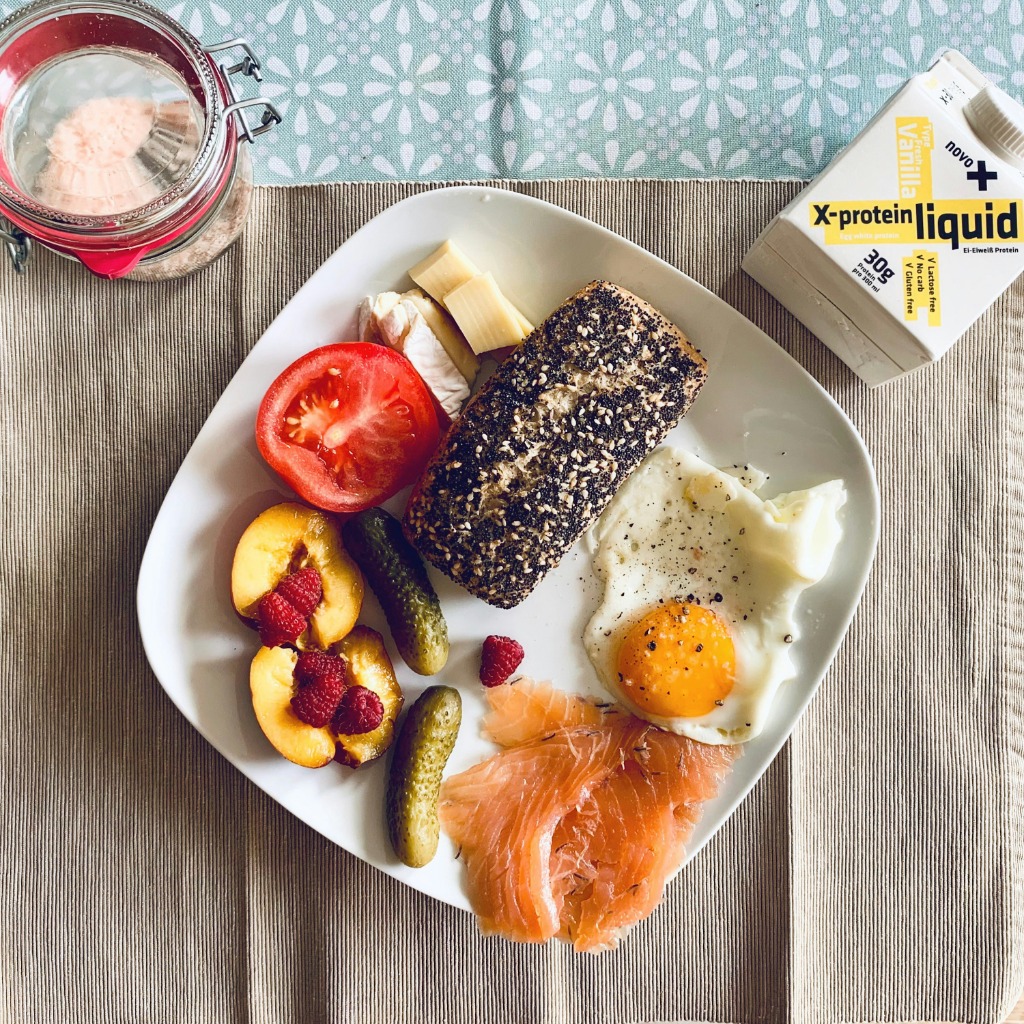
Protein drives satiety hormones like GLP-1 while reducing the hunger hormone ghrelin. (Photo by Unsplash Contributors — Illustrative image)
Target: 0.7–1.0 grams per pound of body weight.
Related Guide: Protein Needs
3. Reduce Ultra-Processed Foods
The Kevin Hall NIH Study
UPFs are engineered to override your brain's satiety signals. Replacing them with whole foods naturally reduces your caloric intake without conscious restriction.
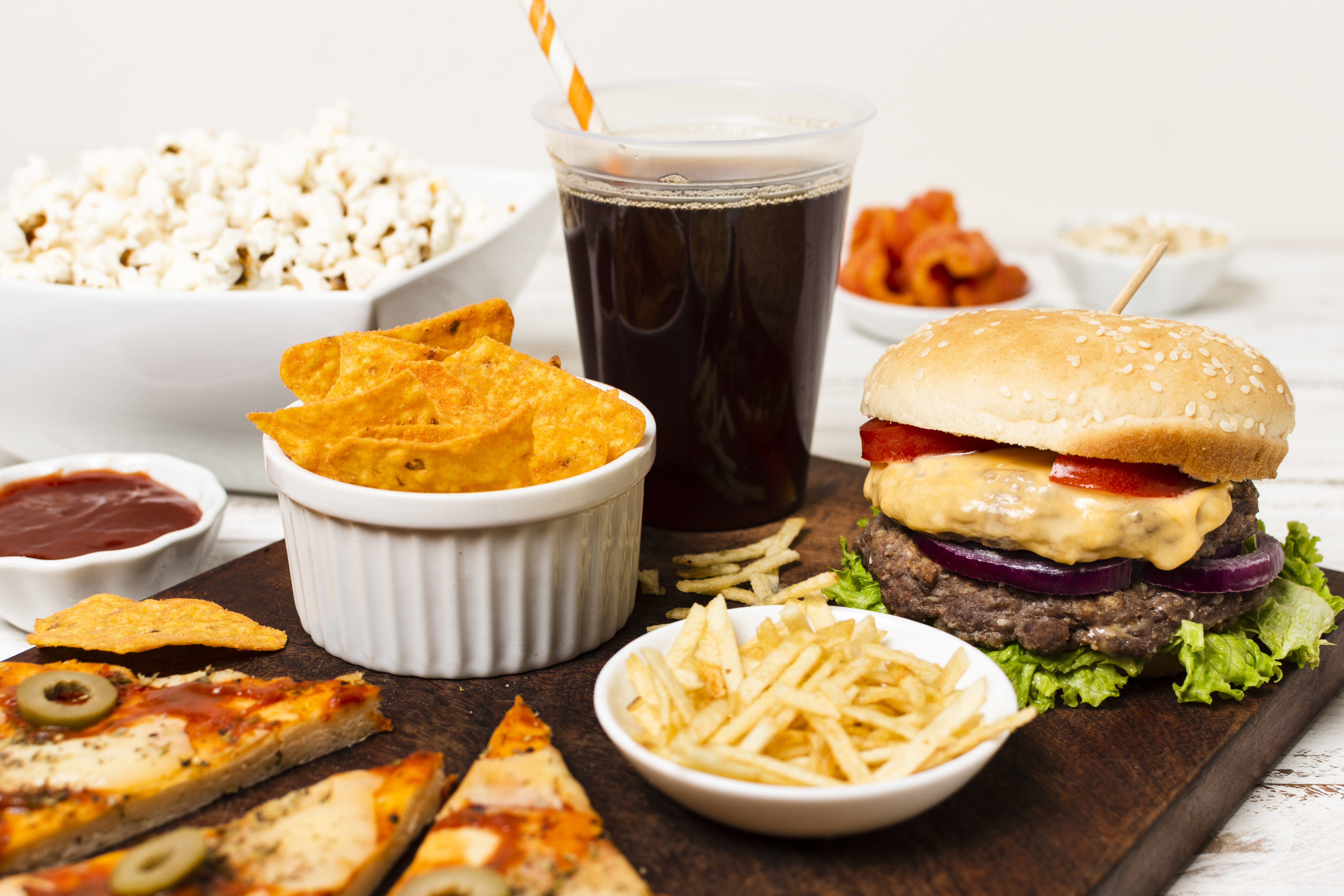
Swapping out heavily packaged ultra-processed foods for whole, single-ingredient foods is the simplest way to reduce passive caloric intake. (Photo by Unsplash Contributors — Illustrative image)
4. Eat More Fiber — Especially Soluble Fiber
Soluble fiber slows digestion, extends fullness, and reduces visceral fat accumulation. Research shows every 10g increase in daily soluble fibre is linked to a 3.7% reduction in visceral fat.
Related Guide: Stubborn Belly Fat
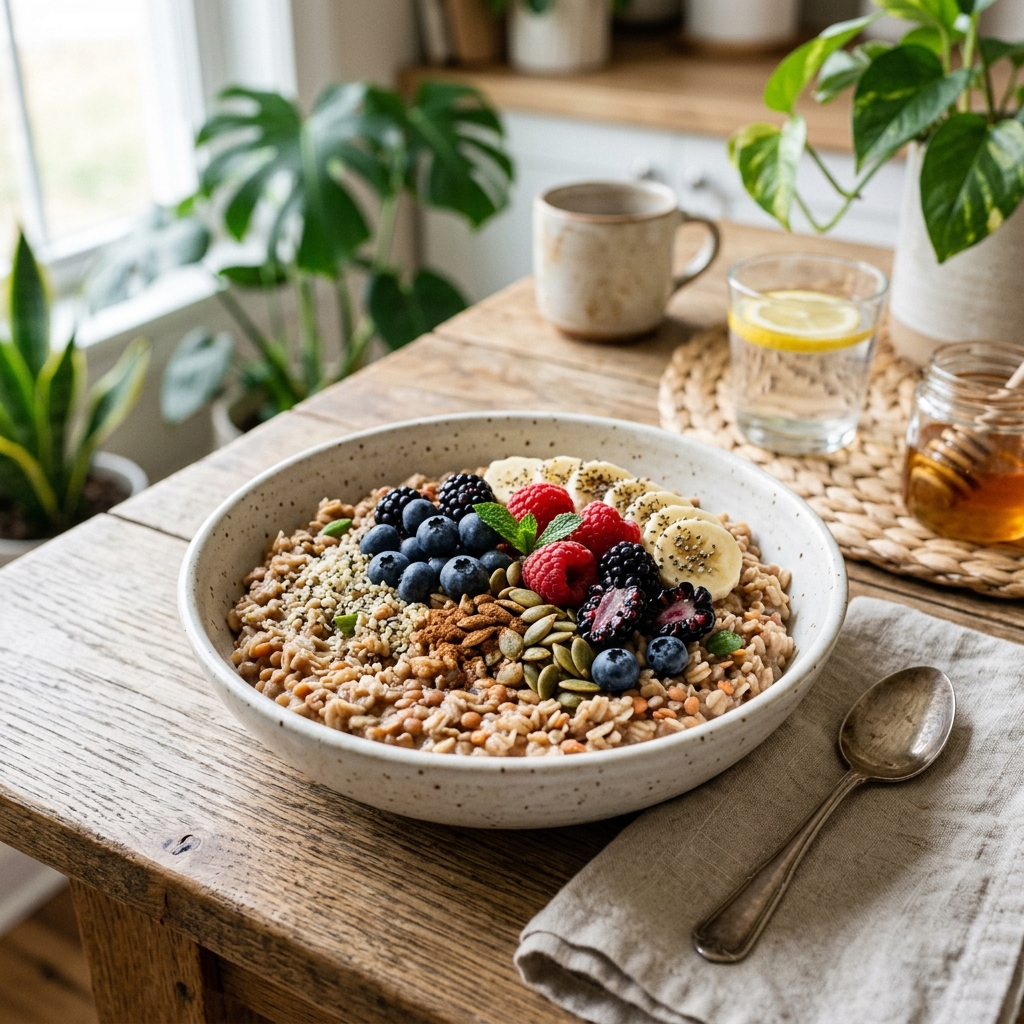
Soluble fiber from oats, legumes, and seeds forms a gel that stabilizes blood sugar. (Photo by Unsplash Contributors — Illustrative image)
5. Drink Water Strategically
Drinking 500ml of water 30 minutes before meals has been shown in randomized trials to reduce caloric intake by 13% and increase weight loss by up to 44% over 12 weeks.
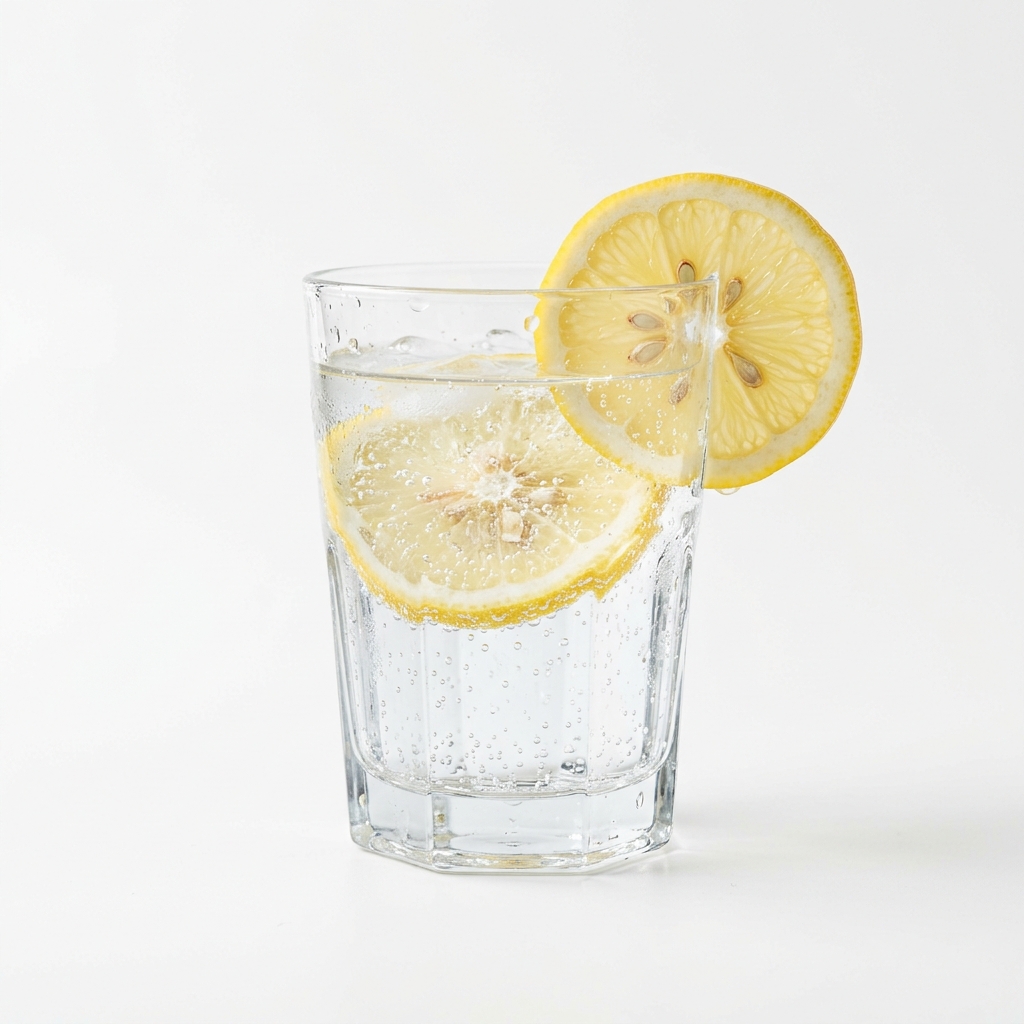
Water occupies stomach volume, triggering satiety receptors before you even start eating. (Photo by Unsplash Contributors — Illustrative image)
6. Reduce Refined Carbohydrates and Added Sugar
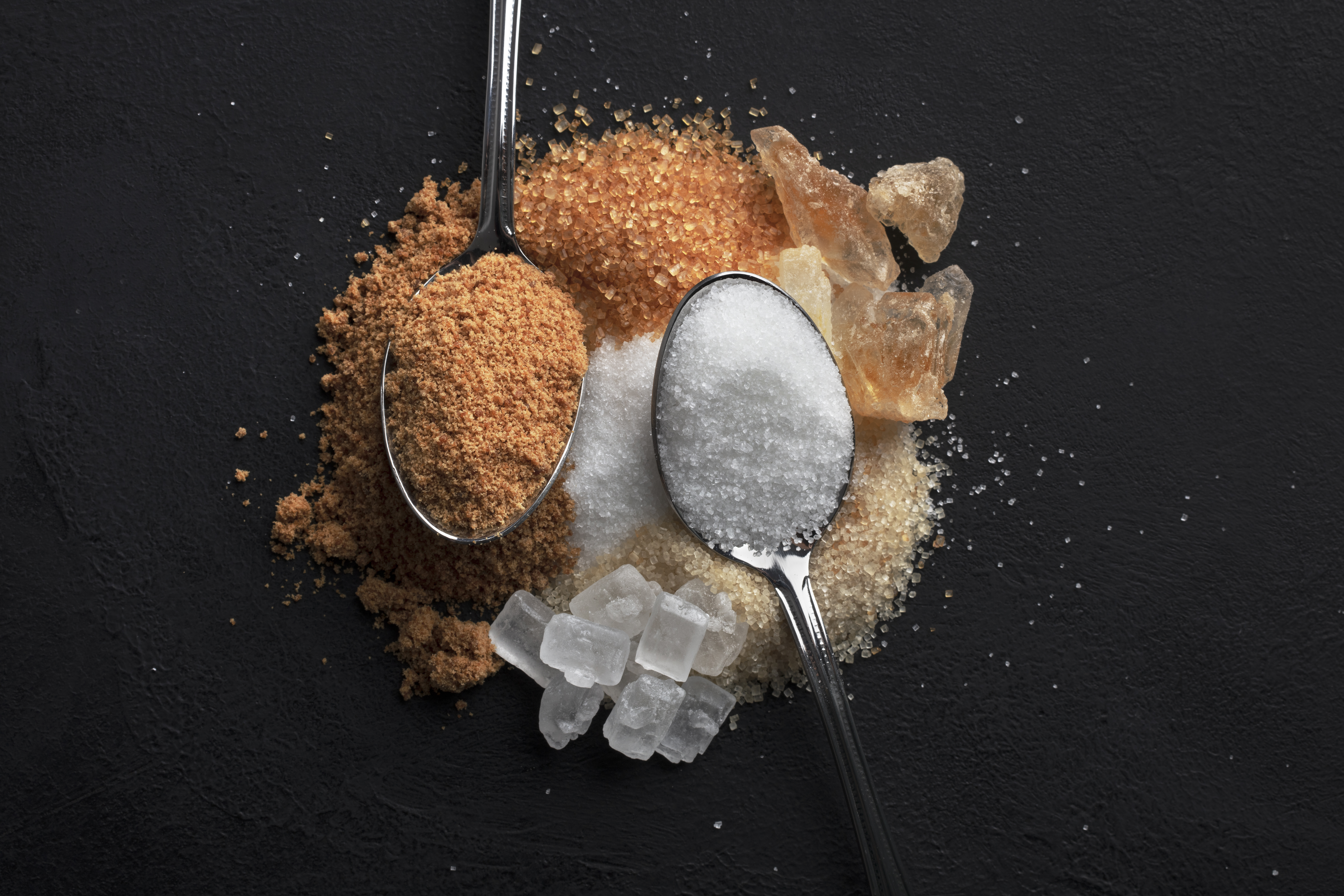
Refined carbs drive insulin spikes that direct fat storage into the liver and abdominal region. Replacing white bread and sugary snacks with complex carbs stabilizes your energy levels and reduces cravings.
Complex carbohydrates like sweet potatoes and quinoa provide sustained energy without the rapid insulin spikes caused by refined sugars and flours. (Photo by Unsplash Contributors — Illustrative image)
7. Eat Mindfully and Slow Down
It takes 20 minutes for satiety hormones to signal fullness to the brain. Mindful eating interventions have been shown to reduce intake by 300 calories per day purely through behavioral awareness.

Chewing slowly and eating without screens allows your body's natural satiety signals to register. (Photo by Unsplash Contributors — Illustrative image)
8. Sleep Quality
Annals of Internal Medicine

Sleep protects your metabolic rate and regulates ghrelin and leptin hormones. (Photo by Unsplash Contributors — Illustrative image)
9. Manage Stress and Cortisol
Chronic stress elevates cortisol, which specifically directs fat storage to the visceral abdominal region. Stress management is a direct fat-loss intervention for those who cannot exercise.

Lowering cortisol reduces emotional eating and switches off the 'fat storage' signal. (Photo by Unsplash Contributors — Illustrative image)
10. Increase NEAT (Non-Exercise Activity Thermogenesis)
NEAT refers to all non-gym movement: standing, pacing, cooking, walking. This can account for up to 2,000 extra calories burned per day in high-NEAT individuals. For example, simply choosing to stand at your desk for 6 hours instead of sitting burns an extra 54 calories per day — which compounds into over 5.6 lbs of fat loss per year.

Small daily movements compound into massive caloric burn without the need for high-intensity exercise. (Photo by Unsplash Contributors — Illustrative image)
11. Track Your Food Intake
Underestimation Alert
12. Reduce Alcohol Consumption
American Journal of Clinical Nutrition
Reducing or eliminating alcohol during a fat-loss phase removes this roadblock and provides immediate progress.
Realistic Expectations
| Strategy | Expected Monthly Fat Loss | Notes |
|---|---|---|
| Deficit Alone | 2 lbs | Non-negotiable foundation |
| Deficit + Protein | 2.5 lbs | Preserves lean muscle |
| All 12 Strategies | 3–4 lbs | Maximum sustainable rate |
Frequently Asked Questions

Hassan Khan
Health Researcher & Founder
Hassan Khan is a health researcher specializing in evidence-based nutrition. He founded Natural Health Basics to bridge the gap between clinical research and practical health guidance.
Full Medical Disclaimer
The information on Natural Health Basics is for educational purposes only. It is not medical advice or a substitute for professional diagnosis. Always consult with a qualified health provider before starting a weight loss protocol.