Quick Answer: Can You Lose Weight Without Exercise?
Yes, absolutely. Weight loss is fundamentally driven by a caloric deficit (eating fewer calories than you burn).
A 2014 systematic review in Obesity Reviews analyzed 37 studies and found that diet-only approaches produced substantial weight loss. The researchers noted that while combining diet with exercise yielded slightly better results, diet was the primary driver of fat loss.
The Science: Why Diet Is More Effective Than Exercise
Understanding weight loss starts with the Energy Balance Equation. Your body burns calories in three ways, and understanding them reveals why diet is king. For a complete deep dive into optimizing these numbers, read our 2026 Metabolism Optimization Guide.
Breathing, sleeping, existing.
Digesting protein & fiber.
Walking, gym, fidgeting.
Notice that Exercise Activity Thermogenesis (EAT) is only a small part of that last 15-30%. Even intense workouts often burn fewer calories than people expect (300-500 calories), which can be easily undone by a single snack.
The Compensation Effect
12 Evidence-Based Strategies
Create a Moderate Caloric Deficit
Use a TDEE calculator to find your maintenance calories, then subtract 300-500 calories. This produces steady loss of 0.5-1 pound per week without triggering starvation signals.
Calculation Example
Maintenance: ~1,700 calories
Target: 1,300 - 1,400 calories/day
Increase Protein to 30%
Protein is the most filling nutrient and has the highest thermic effect (your body burns 20-30% of protein calories just digesting them!). Aim for 0.7-1.0g per pound of body weight.
- Chicken breast (4oz): 35g protein
- Greek yogurt (1 cup): 20g protein
- Lentils (1 cup): 18g protein
Prioritize Whole Foods
A 2019 study showed people eating ultra-processed diets consumed 500 more calories daily than those eating whole foods, despite being matched for nutrients. Processed food is engineered to be overeaten.
Master NEAT
Non-Exercise Activity Thermogenesis (NEAT) is the calories you burn moving without "exercising." It matters more than you think.
| Activity | Calorie Burn/Hour (Est.) |
|---|---|
| Standing vs Sitting | +50 |
| Pacing while on phone | 150 - 200 |
| Cleaning / Housework | 150 - 250 |
| Gardening | 200 - 350 |
Optimize Sleep (7-9 Hours)
Sleep deprivation spikes ghrelin (hunger hormone) and lowers leptin (fullness hormone). One study found dieters sleeping 5.5 hours lost 55% less fat than those sleeping 8.5 hours.
Slow Down & Chew
It takes 20 minutes for satiety signals to reach your brain. Putting your fork down between bites can reduce intake by ~10% per meal without you even noticing.
Drink Water Before Meals
Drinking 500ml (2 cups) of water 30 minutes before a meal reduced intake by 75-90 calories in clinical trials. It fills the stomach and combats thirst-hunger confusion.
Manage Cortisol
Chronic stress releases cortisol, which specifically promotes abdominal fat storage. Stress also triggers cravings for high-carb, high-fat foods. Meditation isn't just for peace of mind; it's for metabolic health.
Use 8-Inch Plates
The "Delboeuf Illusion": The same amount of food looks huge on a small plate and tiny on a large plate. Switching from 12-inch to 9-inch plates can reduce serving sizes by 20-30% automatically.
Eliminate Liquid Calories
Liquid sugar (soda, juice, fancy coffee) is the enemy. It spikes insulin but provides zero satiety. Swapping one soda for water daily saves ~50,000 calories (14 lbs) in a year.
Track for 2 Weeks
You don't have to count calories forever. But tracking for just 14 days will reveal hidden bombs (like that 300-calorie "splash" of oil). Studies show trackers lose twice as much weight.
Hidden Calorie Bombs
- Cooking Oil: 1 tbsp = 120 calories
- Salad Dressing: 2 tbsp = 150+ calories
- Nuts: Small handful = 170 calories
Try Intermittent Fasting
Restricting your eating window (e.g., 12pm to 8pm) naturally cuts calories by removing late-night snacking opportunities. It's a simple rule that requires no willpower during the day.
Who Should Skip Fasting
- Pregnant or breastfeeding women
- Anyone with a history of eating disorders
- Diabetics on insulin (risk of hypoglycemia)
Sample 1,400-Calorie Day
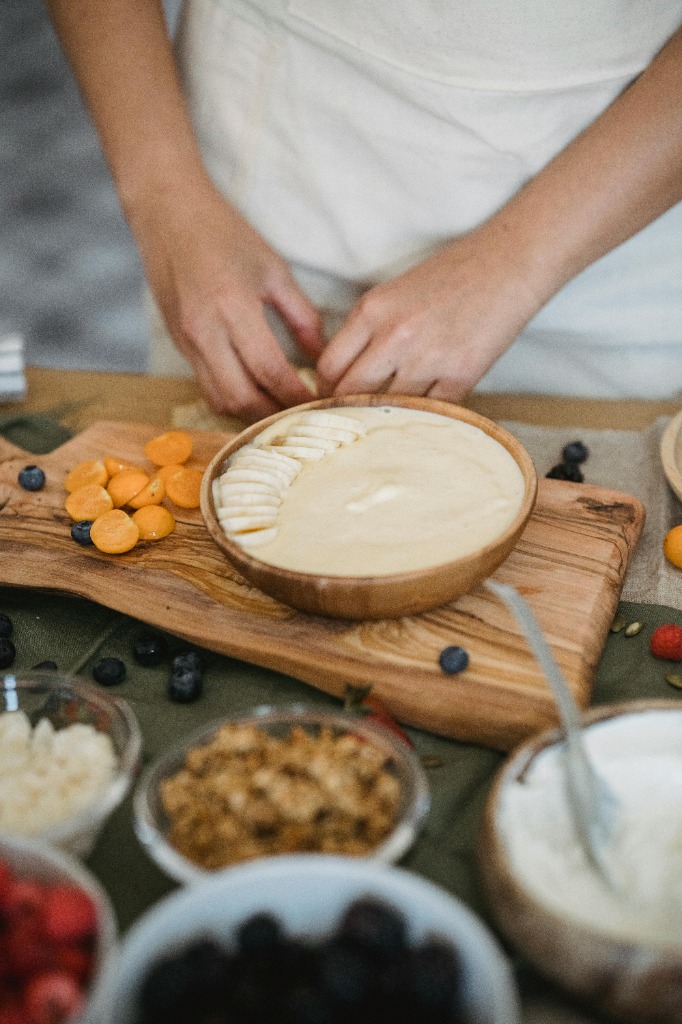
High-Protein, Whole Food Template
- 🍳Breakfast (350 cal): 3 eggs scrambled with spinach & cherry tomatoes + 1/2 cup cottage cheese.30g Protein
- 🥗Lunch (400 cal): 4oz grilled chicken breast, huge mixed greens salad, 1/2 cup chickpeas, balsamic vinegar, apple.35g Protein
- 🫐Snack (200 cal): 1 cup plain Greek yogurt with blueberries.20g Protein
- 🐟Dinner (450 cal): 5oz salmon, roasted broccoli, 1/2 cup quinoa.30g Protein
Common Mistakes to Avoid
"Healthy" Overeating
Nuts, avocado, and olive oil are healthy but calorie-dense. A handful of almonds + smoothie can easily be 800 calories.
Weekend Warrior
Creating a 500-cal deficit Mon-Fri but overeating 1,500 extra calories on Saturday erases your entire week's progress.
Not Planning for Hunger
If you don't have protein-rich snacks ready, you WILL grab the most convenient thing (usually chips or cookies) when hunger strikes.
Ignoring Emotions
If you eat when stressed or bored, no diet will work. Identify your triggers and find non-food coping mechanisms (walk, journal, call a friend).
Frequently Asked Questions
The Bottom Line
Weight loss without exercise is not only possible—it's often more effective than exercise-focused approaches alone.
Key Takeaways
Realistic Expectations
- Rate of Loss: 0.5 - 2 pounds per week
- Timeline: 3-6 months for significant visual changes
- Sustainability: Depends on building habits, not following rules
Medical Disclaimer
This article provides general nutritional information based on scientific research. It is not medical advice. Individual results vary based on genetics, medications, and adherence.
Always consult a doctor before starting if you:
- Have diabetes, heart disease, or thyroid disorders
- Take medications affecting metabolism
- Are pregnant or breastfeeding
- Need to lose 100+ pounds
Stop immediately and consult a doctor if:
- You lose >3 lbs/week consistently
- You experience dizziness or fatigue
- You develop obsessive thoughts about food

About The Author
Hassan Khan is a health researcher who analyzes peer-reviewed nutritional science to create practical guidance. He specializes in evidence-based strategies for sustainable weight management.
Read Full Bio →Scientific References
1. Miller WC, et al. "A meta-analysis of weight loss research using diet, exercise or diet plus exercise intervention." Int J Obes. 1997. [PubMed: 9347414]
2. Westerterp KR. "Physical activity and physical activity induced energy expenditure in humans." Front Physiol. 2013. [PubMed: 23785294]
3. Melanson EL, et al. "Resistance to exercise-induced weight loss: compensatory behavioral adaptations." Med Sci Sports Exerc. 2013. [PubMed: 23059869]
4. Mifflin MD, et al. "A new predictive equation for resting energy expenditure." Am J Clin Nutr. 1990. [PubMed: 2305711]
5. Leidy HJ, et al. "The role of protein in weight loss and maintenance." Am J Clin Nutr. 2015. [PubMed: 25926512]
6. Hall KD, et al. "Ultra-processed diets cause excess calorie intake and weight gain." Cell Metab. 2019. [PubMed: 31105044]
7. Levine JA. "Non-exercise activity thermogenesis (NEAT)." Best Pract Res Clin Endocrinol Metab. 2002. [PubMed: 12468415]
8. Nedeltcheva AV, et al. "Insufficient sleep undermines dietary efforts to reduce adiposity." Ann Intern Med. 2010. [PubMed: 20921542]
9. Andrade AM, et al. "Eating slowly led to decreases in energy intake within meals." J Am Diet Assoc. 2008. [PubMed: 18589027]
10. Dennis EA, et al. "Water consumption increases weight loss during a hypocaloric diet." Obesity. 2010. [PubMed: 19661958]
11. Tomiyama AJ, et al. "Comfort food is comforting to those most stressed." Psychoneuroendocrinology. 2011. [PubMed: 21459516]
12. Wansink B, van Ittersum K. "Portion size me: plate-size induced consumption norms." J Exp Psychol Appl. 2013. [PubMed: 23421524]
13. Malik VS, et al. "Sugar-sweetened beverages and weight gain in children and adults." Am J Clin Nutr. 2013. [PubMed: 23966427]
14. Burke LE, et al. "Self-monitoring in weight loss: a systematic review." J Am Diet Assoc. 2011. [PubMed: 21185970]
15. Tinsley GM, La Bounty PM. "Effects of intermittent fasting on body composition." Nutr Rev. 2015. [PubMed: 26374764]
16. Johns DJ, et al. "Diet or exercise interventions vs combined behavioral weight management programs." Obes Rev. 2014. [PubMed: 25040597]