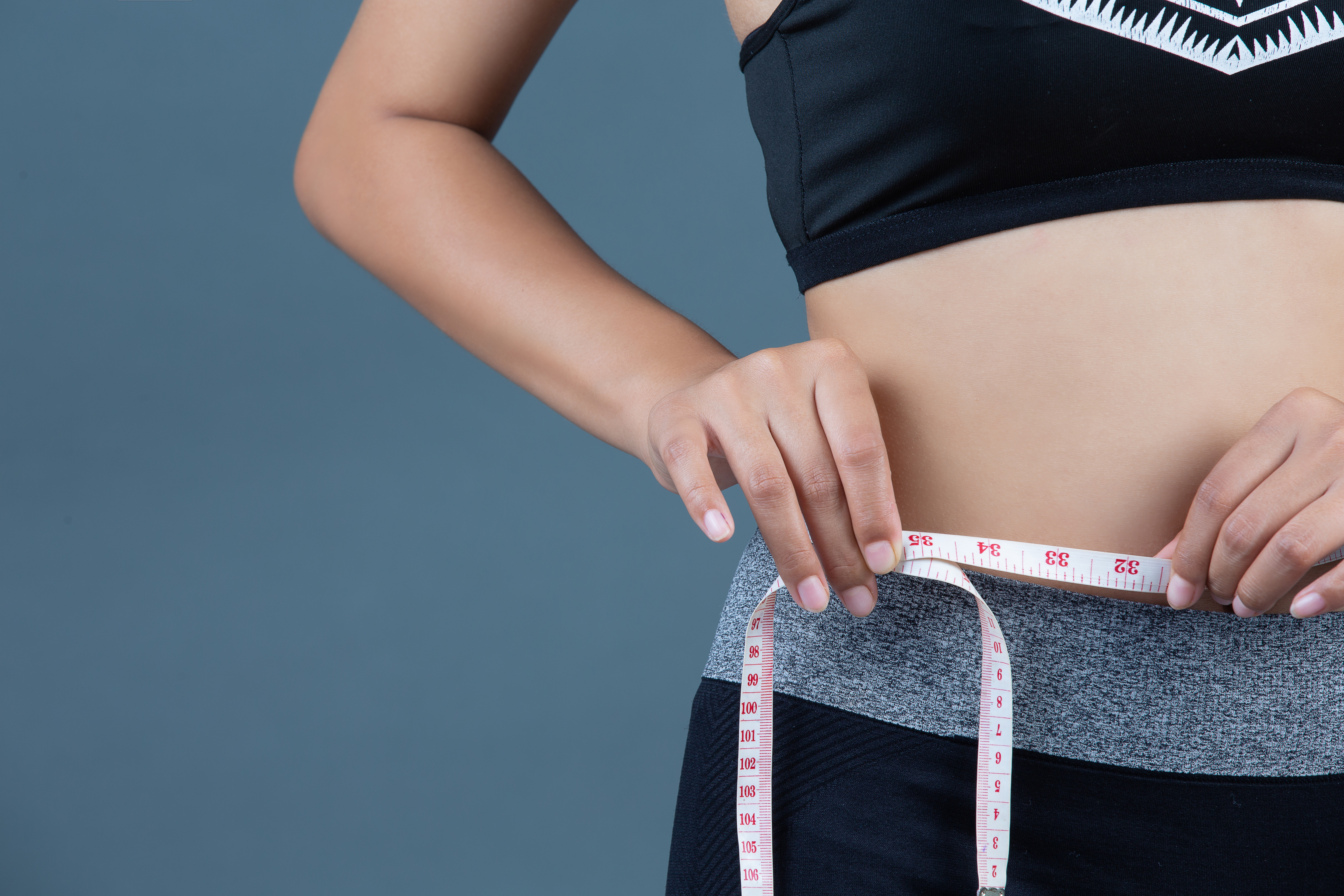
You cannot spot-reduce belly fat. Research consistently shows that a combination of a sustained caloric deficit, high-protein diet, strength training, adequate sleep, and stress management is the only evidence-based approach. Most people see measurable results in 8–12 weeks.
Belly fat is more than just a nuisance that makes your clothes feel tight. It's actually a serious health indicator. deep abdominal fat—visceral fat—is metabolically active and uniquely associated with systemic inflammation and insulin resistance.
"No single exercise or food can target abdominal fat specifically. Fat loss is a whole-body process governed by energy balance and hormones."
1. Subcutaneous vs. Visceral Fat
Not all belly fat is created equal. Understanding the difference is key to your strategy.
Subcutaneous Fat
The "pinchable" fat right under your skin. Mostly an aesthetic concern.
- Visible on the outside
- Responds well to diet
- Lower metabolic risk
Visceral Fat
Deep fat wrapped around organs. A major driver of metabolic disease.
- Invisible but dangerous
- Responds fast to exercise
- High inflammation risk
| Feature | Subcutaneous | Visceral |
|---|---|---|
| Primary Risk | Appearance | Metabolic Disease |
| Inflammation | Low | High (Cytokines) |
| Best Fix | Caloric Deficit | Deficit + Exercise |
The Portal Vein Link
Create a Sustained Caloric Deficit
The non-negotiable foundation. You must consume fewer calories than you burn. A meta-analysis in JAMA (2014) showed that weight loss is primarily driven by caloric restriction, regardless of the brand-name diet used. To understand how your body burns energy, see our guide on How to Speed Up Metabolism.
Calculation Example
Maintenance: 2,200 calories
Target: 1,700 – 1,900 calories/day
Prioritize Protein at Every Meal
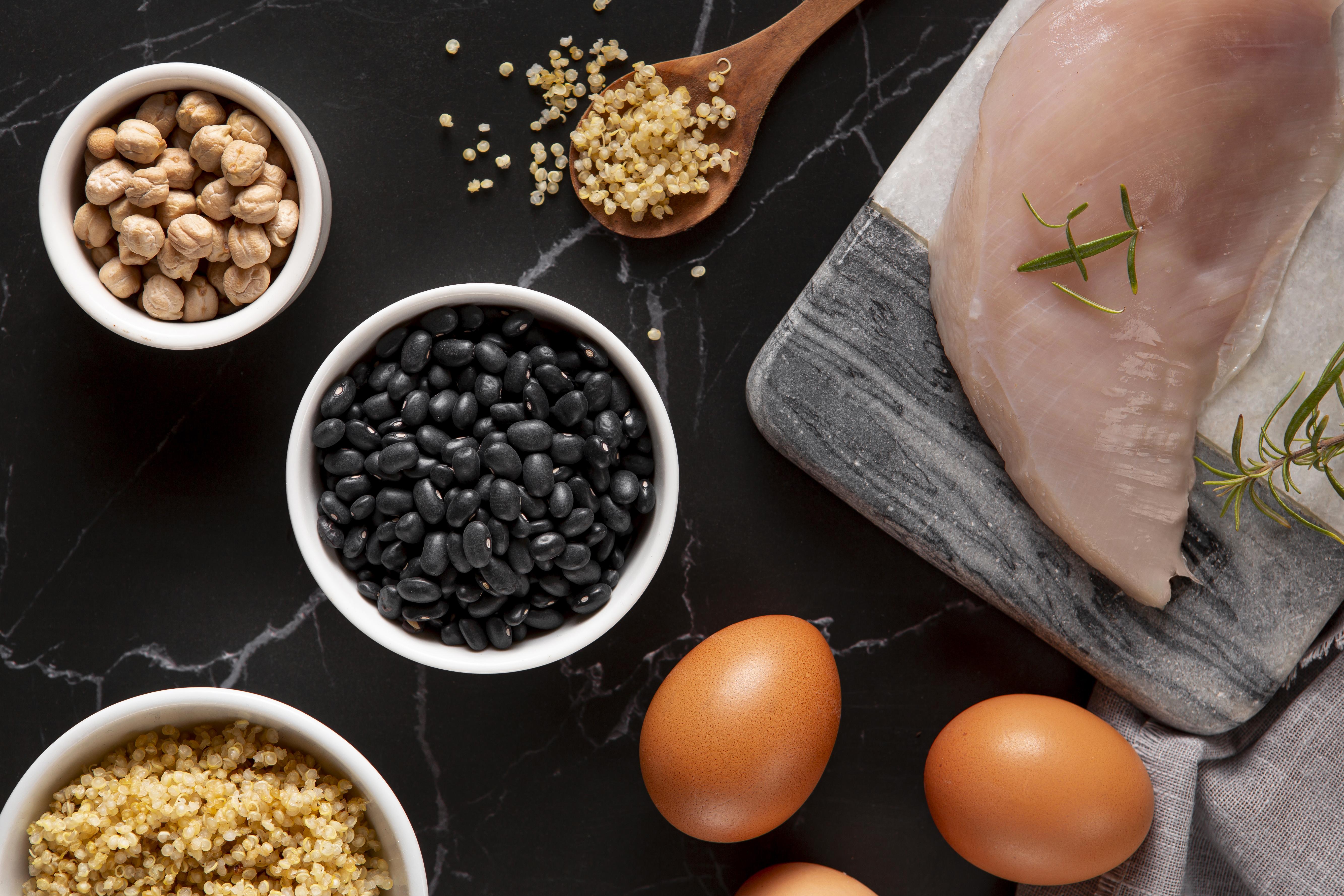
Protein boosts metabolism and protects muscle during a deficit.
Protein is the most filling nutrient and has the highest thermic effect (burning up to 30% of its calories just during digestion). Aim for 0.7–1.0g per pound of body weight to protect lean muscle mass. Read our comprehensive protein intake masterclass for exact calculations.
See our Protein Requirement GuideReduce Refined Carbs & Sugar
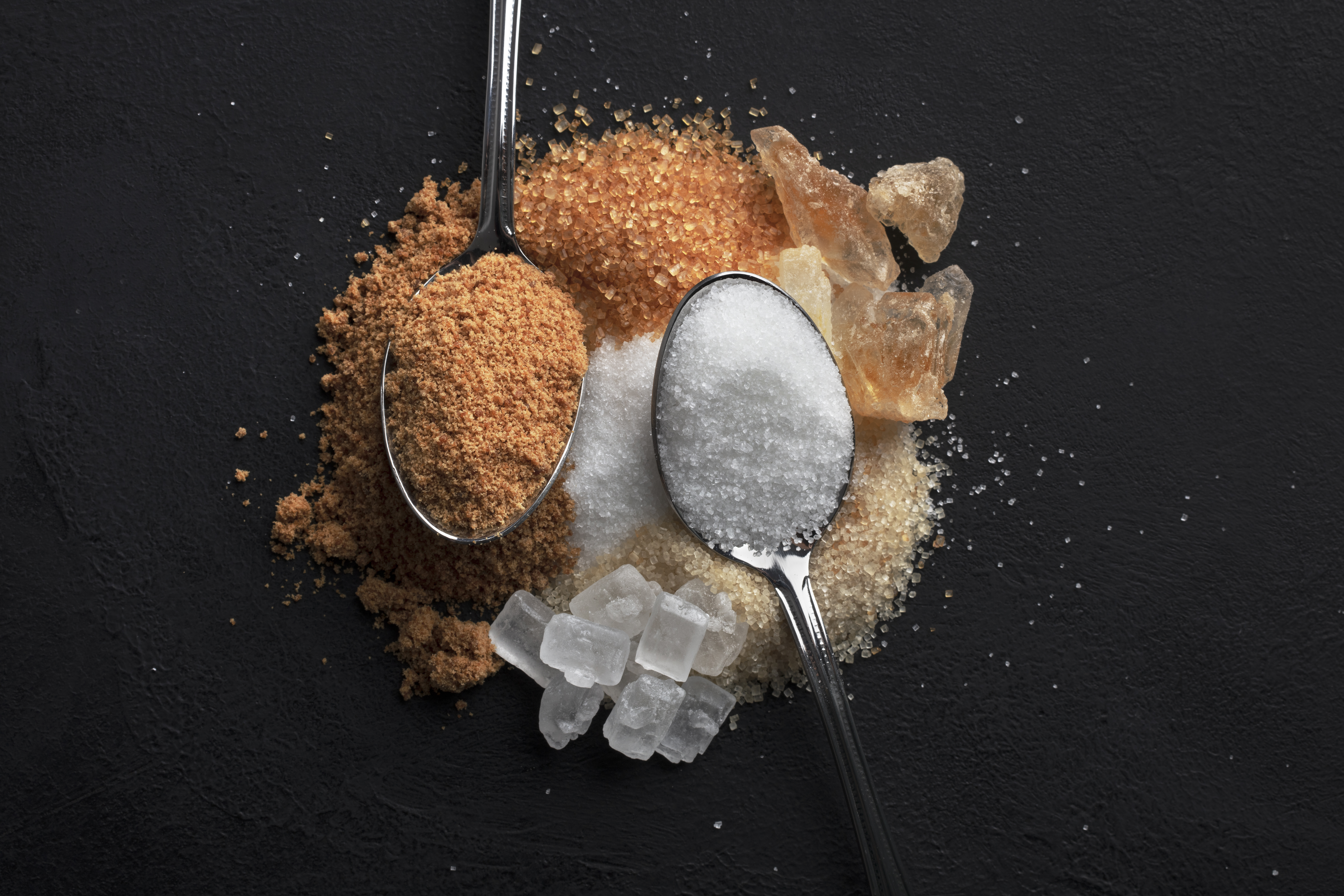
Choosing complex carbohydrates over refined sugars is essential for controlling insulin and visceral fat.
Refined sugars (especially fructose) preferentially drive visceral fat storage. A landmark 2009 study in The Journal of Clinical Investigation found that fructose-sweetened beverages increased visceral fat even when total calorie intake was identical to a glucose control group.
Avoid the "Liquid Sugar" trap: Sodas, fruit juices, and sweetened coffee drinks are the most efficient drivers of abdominal fat accumulation.
Add Strength Training

Strength training burns fat and increases your resting metabolic rate.
Cardio burns calories during the act, but strength training raises your metabolic rate for hours after. More importantly, it directly influences visceral fat reduction independently of total weight loss.
Research Insight
HIIT & Cardiovascular Exercise

High-intensity intervals are more time-efficient for visceral fat loss than steady cardio.
High-Intensity Interval Training (HIIT) creates an EPOC effect (afterburn) that continues oxidizing fat for up to 24 hours. Aim for 2 sessions per week of 20 minutes.
See Top 10 Fat-Burning ExercisesOptimize Sleep

Sleep deprivation spikes hunger hormones and shifts your body into fat-storage mode.
Sleep deprivation makes you 24% hungrier (via ghrelin) and reduces fat burning by up to 55%. Research shows that people sleeping under 5 hours are significantly more likely to gain visceral fat.
Manage Chronic Stress

Cortisol levels directly control where your body stores fat. Management is key.
Stress releases Cortisol. Chronic high cortisol tells your brain that it's in danger, triggering the storage of fat specifically in the abdominal region to protect vital organs.
Epel ES et al.
"Stress and body shape: stress-induced cortisol secretion is greater among women with central fat."
Psychosomatic Medicine (2000)
PubMed: 10949092Reduce or Eliminate Alcohol

Alcohol prioritizes liver processing over fat burning, effectively stalling your metabolism.
Alcohol contains "empty calories" (7 calories per gram) and is processed by the liver as a toxin. When you drink, your body stops burning fat to prioritize processing the alcohol. This is why alcohol is the primary obstacle for those following a metabolic restoration plan.
The Metabolism Pause
Increase Dietary Fiber
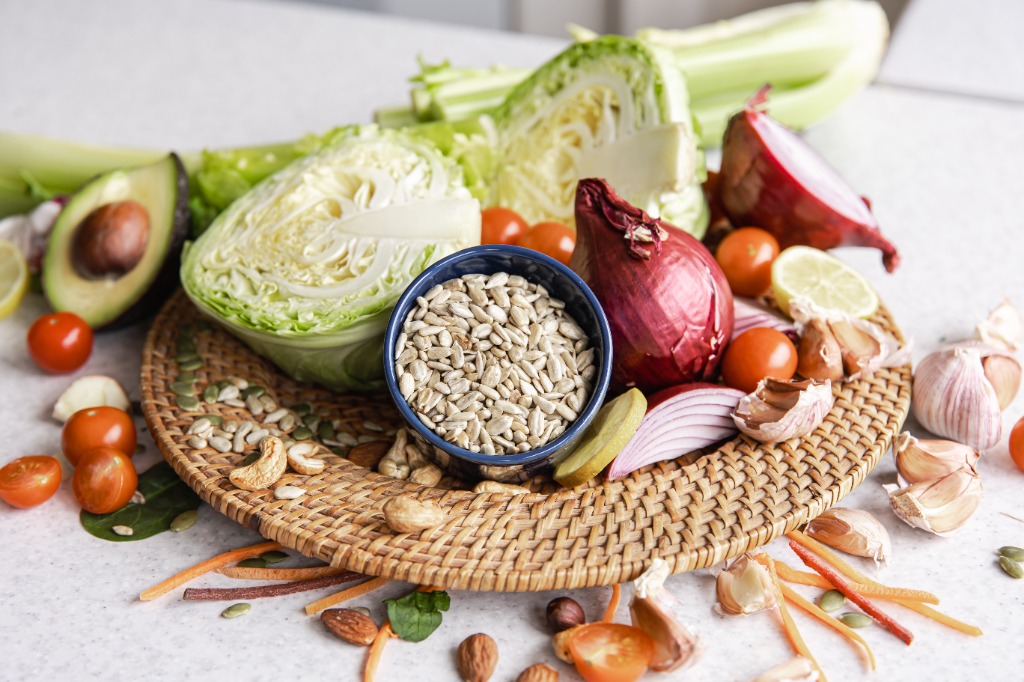
Soluble fiber is a key tool for reducing visceral fat independently of total weight loss.
Soluble fiber (found in beans, oats, and Brussels sprouts) absorbs water and forms a gel that slows down food as it passes through your digestive system. Target 25 grams daily for women and 38 grams for men.
Fiber & Visceral Fat Link
Track Your Food Intake
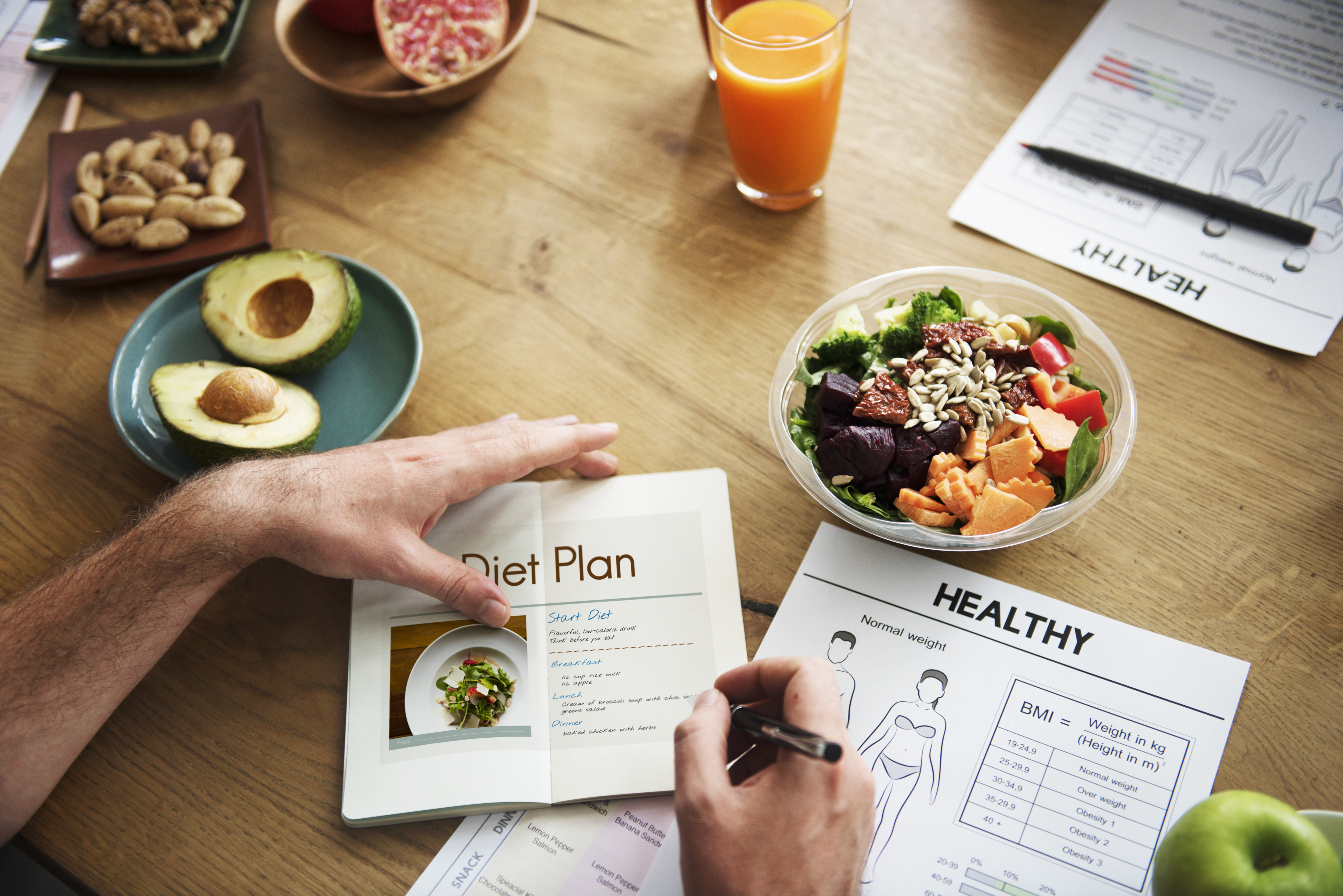
Most people underestimate their daily caloric intake by 30–50%. Tracking for just 2–4 weeks can reveal "hidden" calories in cooking oils, salad dressings, and liquid sugar that are sabotaging your progress.
Awareness is Power
Minimize Ultra-Processed Foods
Processed foods are engineered to be hyper-palatable, overriding your natural fullness signals. They often contain trans fats or inflammatory seed oils that have been linked specifically to increased abdominal fat.

Choosing whole, single-ingredient foods naturally regulates your appetite.
Consider Intermittent Fasting
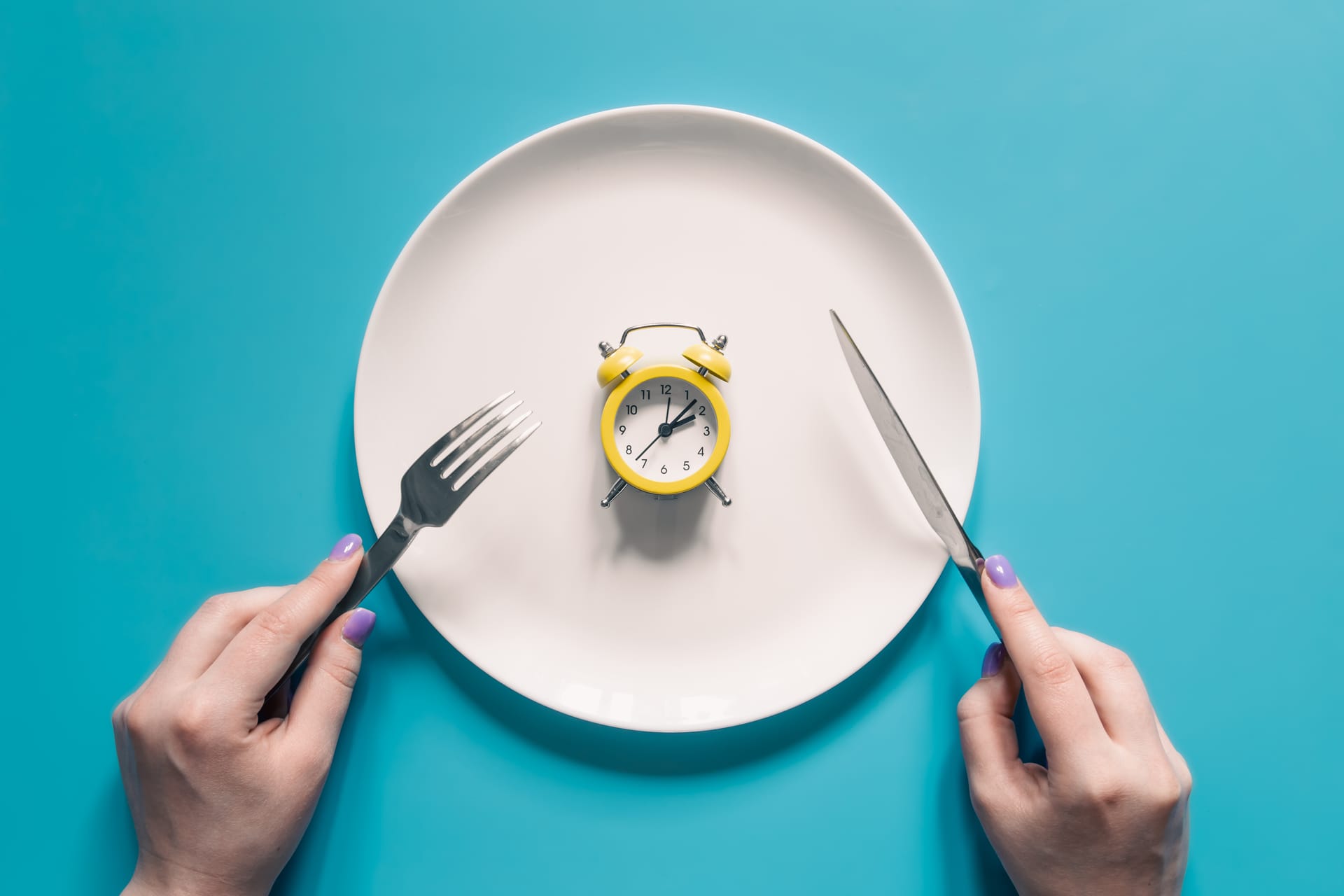
Fasting windows lower insulin and allow your body to access stored fat more effectively.
Restricting your eating window (e.g., 16:8 protocol) creates a natural caloric deficit and lowers insulin levels for longer periods, which allows your body to access stored fat more effectively.
Simple Starting Point
Belly Fat Myths Debunked
Myth: "100 Crunches a Day Burns Belly Fat"
Reality: A 2011 study published in the Journal of Strength and Conditioning Research proved that 6 weeks of localized abdominal exercise had no effect on waist fat. You can't see abs until total body fat drops.
Myth: "Fat-Burning Supplements are Necessary"
Reality: Green tea extract and raspberry ketones have negligible effects in humans. There is no magic pill; supplements cannot override the biology of a caloric surplus.
Myth: "Low-Fat Foods are Good for Weight Loss"
Reality: The landmark PREDIMED study showed that high-fat Mediterranean diets (rich in olive oil and nuts) were superior to low-fat diets for both cardiovascular health and weight maintenance.
Myth: "Detox Teas Flush Out Waist Fat"
Reality: Most detox teas are just laxatives or diuretics. They cause water loss, not fat loss, and can be dangerous for electrolyte balance.
Realistic Transformation Timeline
Week 1-2: The Water Flush
Reduced Bloat
Decrease in systemic inflammation and water retention. You'll notice clothes feeling slightly loosened and a drop in scale weight (mostly water).
Week 4-6: Early Fat Loss
Metabolic Adjustment
1-3 inches lost from the waist as visceral fat begins to oxidize. Your energy levels should stabilize as insulin sensitivity improves.
Week 8-12: Visible Change
Abdominal Reshaping
Noticeable change in abdominal shape. Subcutaneous fat (pinchable fat) starts to decrease significantly. Blood sugar markers improve.
6-12 Months: Maintenance
Life-Long Change
The 'New Normal.' This phase is about habit maintenance and preventing the metabolic slowdown often seen after rapid fat loss.
The 7-Day Protocol Schedule
| Day | Nutrition (1400 Cal) | Exercise Protocol |
|---|---|---|
| Monday | Eggs/Spinach, Chicken Salad, Grilled Salmon | 45m Strength (Upper Body) |
| Tuesday | Greek Yogurt, Tuna Avocado, Lean Beef | 20m HIIT (Sprints/Jumps) |
| Wednesday | Protein Shake, Lentil Soup, Quinoa Bowl | 10,000 Step Active Recovery |
| Thursday | Scrambled Eggs, Chicken Salad, Salmon | 45m Strength (Lower Body) |
| Friday | Greek Yogurt, Lentil Soup, Lean Beef | 20m HIIT (Kettlebells) |
| Saturday | Eggs/Spinach, Tuna Avocado, Roasted Tofu | 60m Full Body Strength |
| Sunday | Protein Shake, Lentil Soup, Lean Beef | Rest / Light Walking |
Drink 500ml of water 30 minutes before every major meal.
"This protocol reduces subsequent meal intake by ~13% on average."
The 8-Week Belly Fat Checklist
Download our evidence-based checklist to track your progress and stay consistent with the 12 strategies.
Common Questions & Expert Answers
Note on Genetics: While genetic predisposition accounts for ~50% of fat distribution patterns, metabolic researchers confirm that the "lifestyle override" (strength training + fiber) is the most powerful tool for long-term reduction.
Full Scientific Sources & References
1. Shuster A, et al. "The clinical importance of visceral adiposity: a critical review of methods for visceral adipose tissue analysis." Br J Radiol. 2012. [PMID: 21937614]
2. Ibrahim MM. "Subcutaneous and visceral adipose tissue: structural and functional differences." Obes Rev. 2010. [PMID: 19656312]
3. Johnston CS, et al. "High-protein, low-fat diets are effective for weight loss and favorably alter biomarkers in healthy adults." J Nutr. 2004. [PMID: 14988451]
4. Stanhope KL, et al. "Consuming fructose-sweetened, not glucose-sweetened, beverages increases visceral adiposity." J Clin Invest. 2009. [PMID: 19381015]
5. Strasser B, Schobersberger W. "Evidence for resistance training as a treatment therapy in obesity." J Obes. 2011. [PMID: 20847892]
6. Boutcher SH. "High-intensity intermittent exercise and fat loss." J Obes. 2011. [PMID: 21113312]
7. Nedeltcheva AV, et al. "Insufficient sleep undermines dietary efforts to reduce adiposity." Ann Intern Med. 2010. [PMID: 20921542]
8. Epel ES, et al. "Stress and body shape: stress-induced cortisol secretion is consistently greater among women with central fat." Psychosom Med. 2000. [PMID: 11020091]
9. Hairston KG, et al. "Lifestyle factors and 5-year abdominal fat accumulation." Obesity. 2012. [PMID: 21681224]
10. Dennis EA, et al. "Water consumption increases weight loss during a hypocaloric diet." Obesity. 2010. [PMID: 19661958]
11. Hall KD, et al. "Ultra-processed diets cause excess calorie intake and weight gain." Cell Metab. 2019. [PMID: 31105044]
12. Tinsley GM, La Bounty PM. "Effects of intermittent fasting on body composition." Nutr Rev. 2015. [PMID: 26374764]
13. Malik VS, et al. "Sugar-sweetened beverages and weight gain in children and adults." Am J Clin Nutr. 2013. [PMID: 23966427]
14. Burke LE, et al. "Self-monitoring in weight loss: a systematic review." J Am Diet Assoc. 2011. [PMID: 21185970]
15. Johns DJ, et al. "Diet or exercise interventions vs combined behavioral weight management programs: a systematic review." J Acad Nutr Diet. 2014. [PMID: 25257365]

About The Author
Hassan Khan is a dedicated health researcher specialized in metabolic health and human performance. He translates complex, peer-reviewed scientific data into actionable nutritional and lifestyle strategies for sustainable fat loss and longevity.
Read Full Bio