
The problem with most fiber guides is they rank foods by total grams without context.
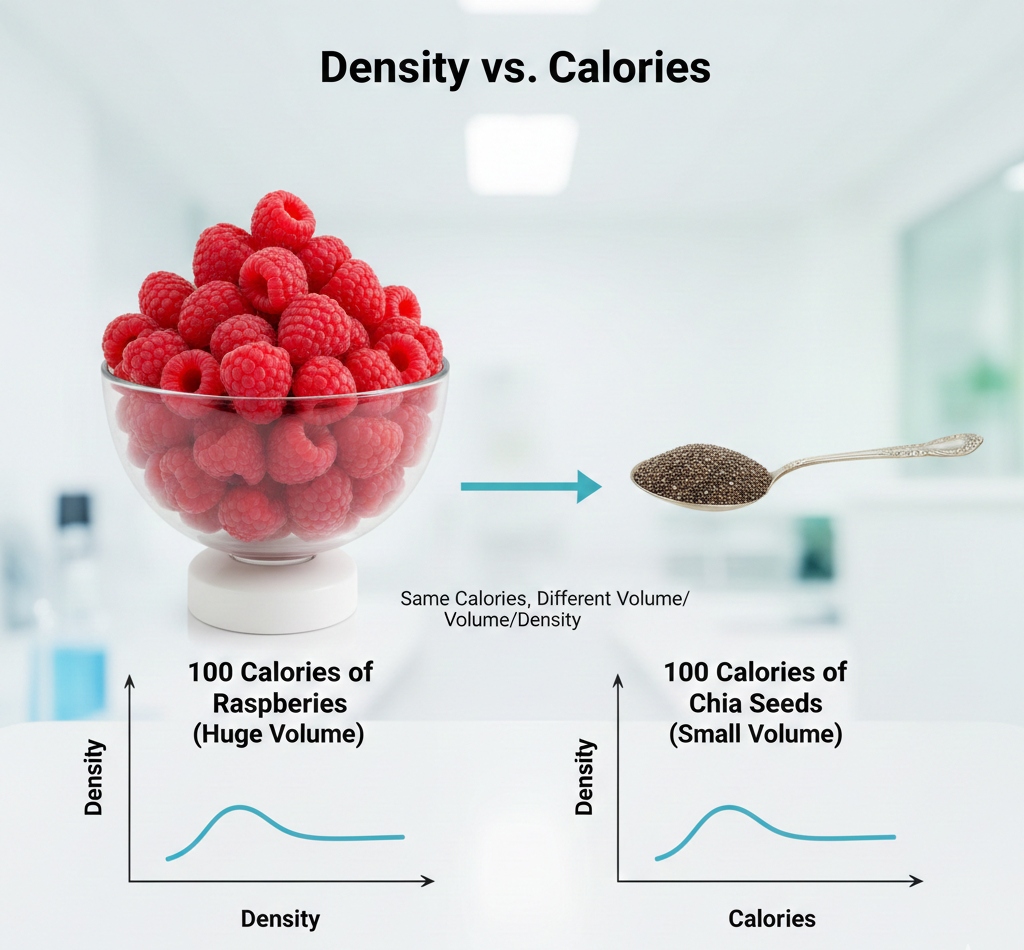
Chia seeds deliver 10g of fiber per ounce — impressive. But that ounce is also 138 calories. Meanwhile, raspberries deliver 8g of fiber in a full cup for only 64 calories.
Which one keeps you fuller on fewer calories? Raspberries win by a mile.
What is Fiber Density?
Fiber density is the ratio of fiber grams to calories. The higher the density, the more satiety you get per calorie consumed. For weight loss, this is the only metric that matters. You can eat massive volumes of high-density foods, feel completely full, and still stay in a calorie deficit.
The Hunger Clock
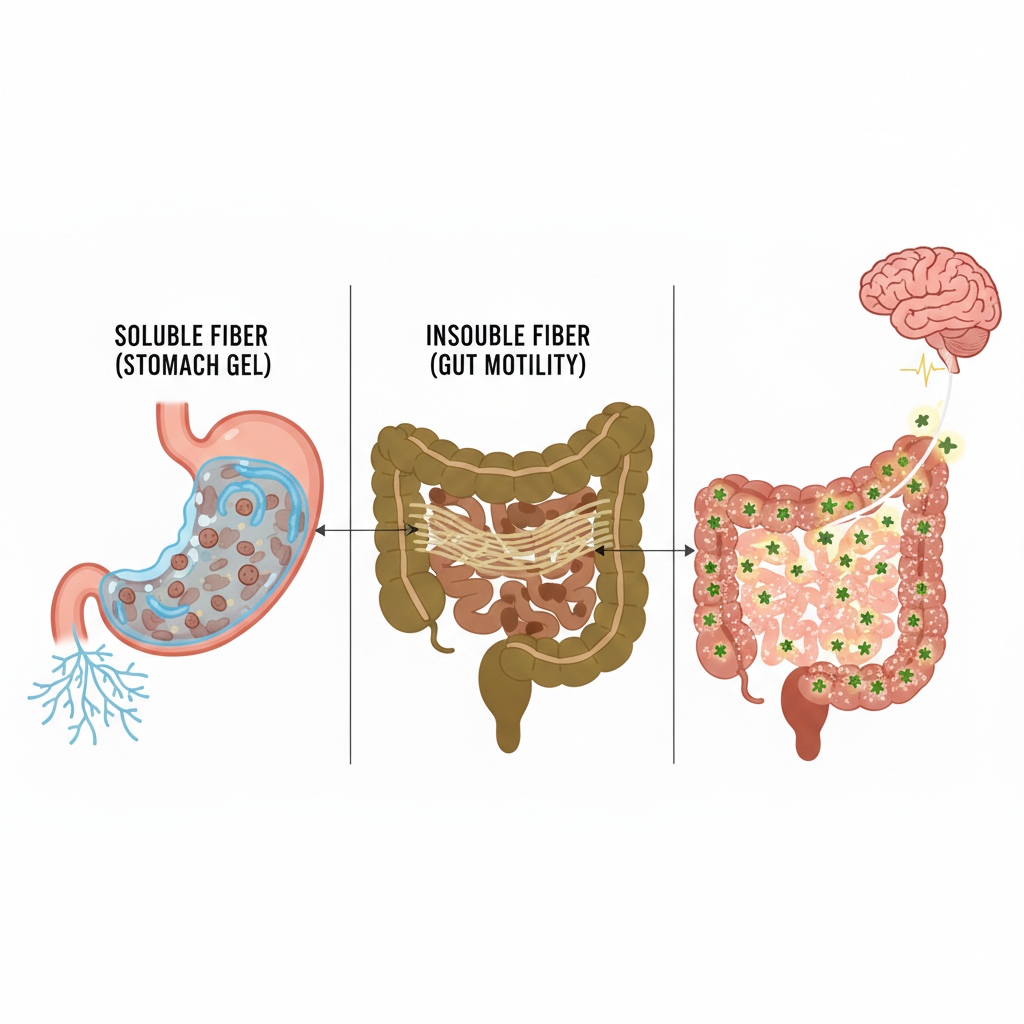
Fiber doesn't work on a single timeline. Different types control hunger through different mechanisms like gastric emptying and gut-brain signaling.
Instant Satiety (0-30m)
High-volume, water-rich foods physically stretch your stomach walls, stimulating mechanoreceptors that tell your brain "Stop Eating."
Example: Leafy Greens, Berries
2-Hour Fullness
Soluble fiber forms a viscous gel, slowing gastric emptying. Food literally stays in your stomach longer.
Example: Oats, Chia
6-Hour Satiety
Resistant starch reaches the colon where bacteria ferment it into Butyrate (an SCFA). Butyrate travels to the brain to crush appetite.
Example: Lentils, Beans
Overnight Regulation
Insoluble fiber regulates motility and improves insulin sensitivity for next-day hunger control.
Example: Nuts, Seeds
"You Need 30g Daily to Lose Weight"
The Reality: The 30g target is for general health. For weight loss, density matters more. You can eat 30g of low-density fiber (whole wheat bread) and stay hungry. Or eat 20g of high-density fiber (berries, broccoli) and be full.
Research: Annals of Internal Medicine (2015) showed fiber quality beats arbitrary gram targets.
The Density Ranking
Ranked from lowest density (#15) to highest (#1).
Avocado
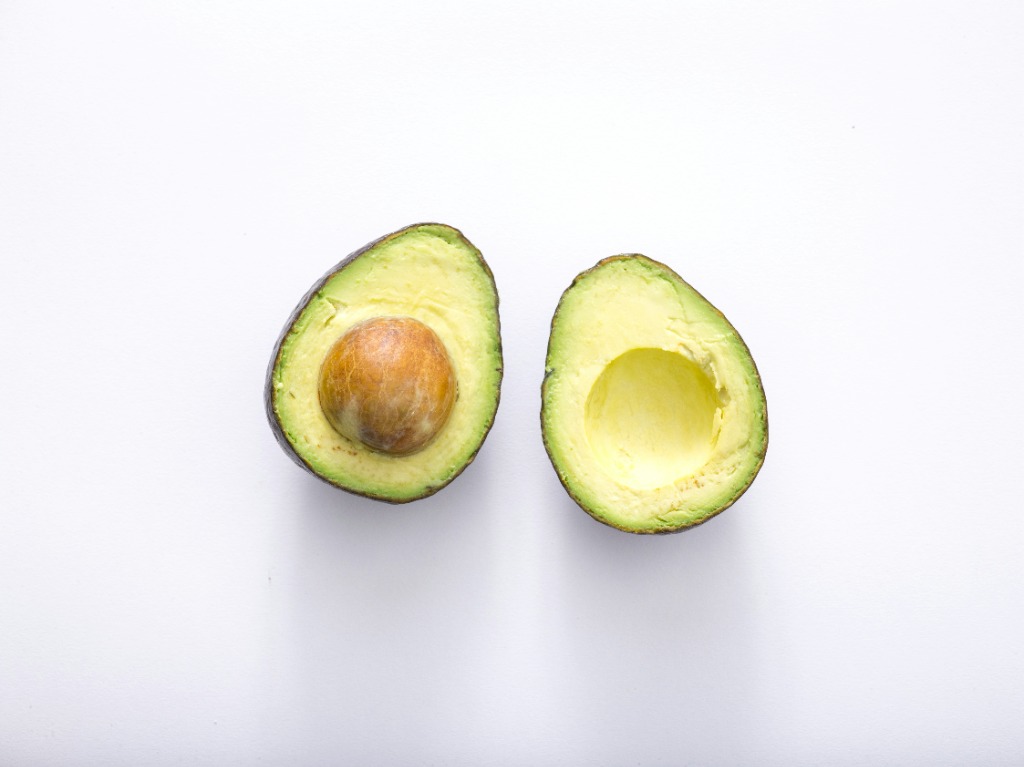
Avocados are nutrient-dense and healthy, but they're calorie-dense too. One medium avocado is 240 calories with 10g fiber. The fat content adds satiety through a different mechanism.
Use avocado as a fat source, not a fiber source. Add half an avocado to a salad already loaded with higher-density fiber foods.
Almonds
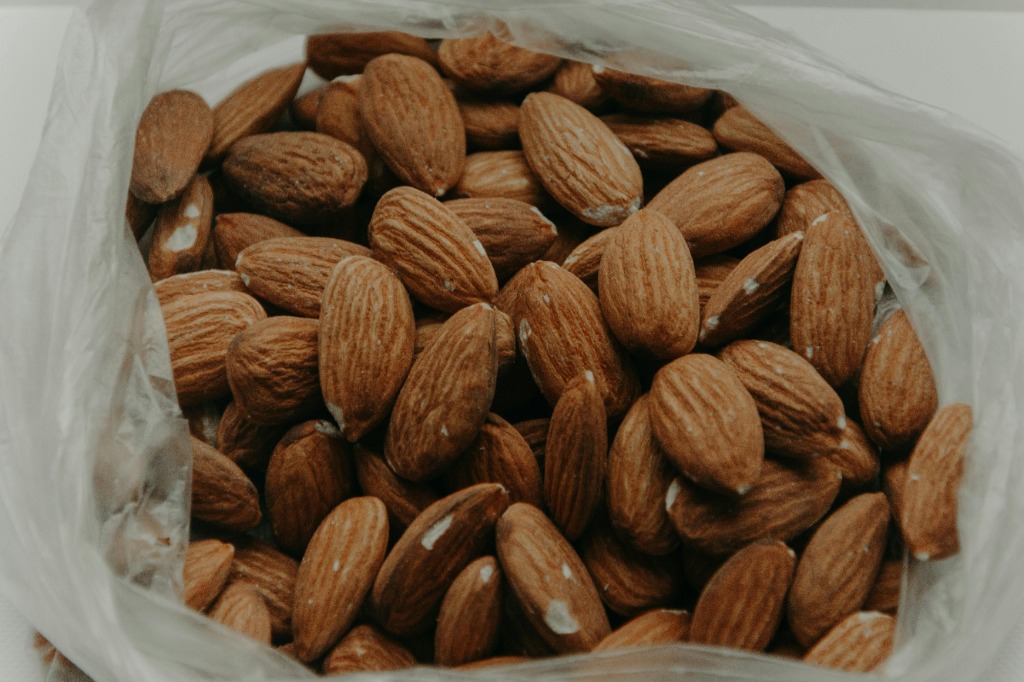
Almonds are 7 calories per nut. A 1-ounce serving (23 nuts) is 164 calories with 3.5g fiber. Healthy but calorie-dense.
Pre-portion almonds into 1-ounce bags. Pair them with a high-density fiber food (like an apple) for balanced satiety.
Quinoa
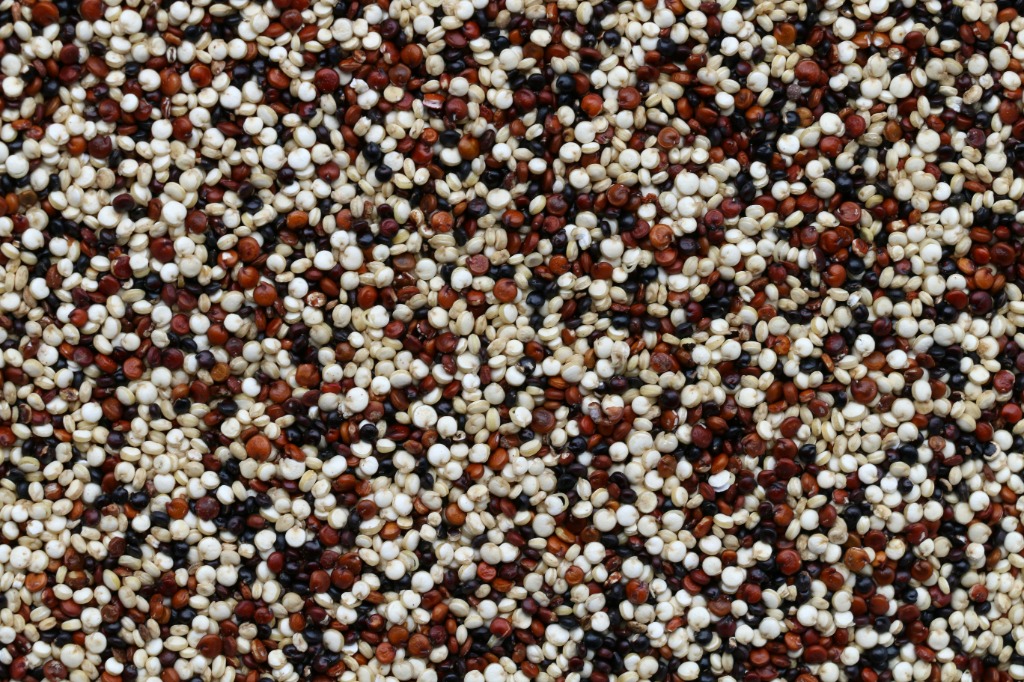
Quinoa is a complete protein, but its fiber density is moderate. One cup cooked is 222 calories with 5g fiber. It's filling because of prohibition + fiber.
Use quinoa as a base for Buddha bowls. Top with high-density fiber vegetables (broccoli, kale) to boost the meal's density.
Chia Seeds
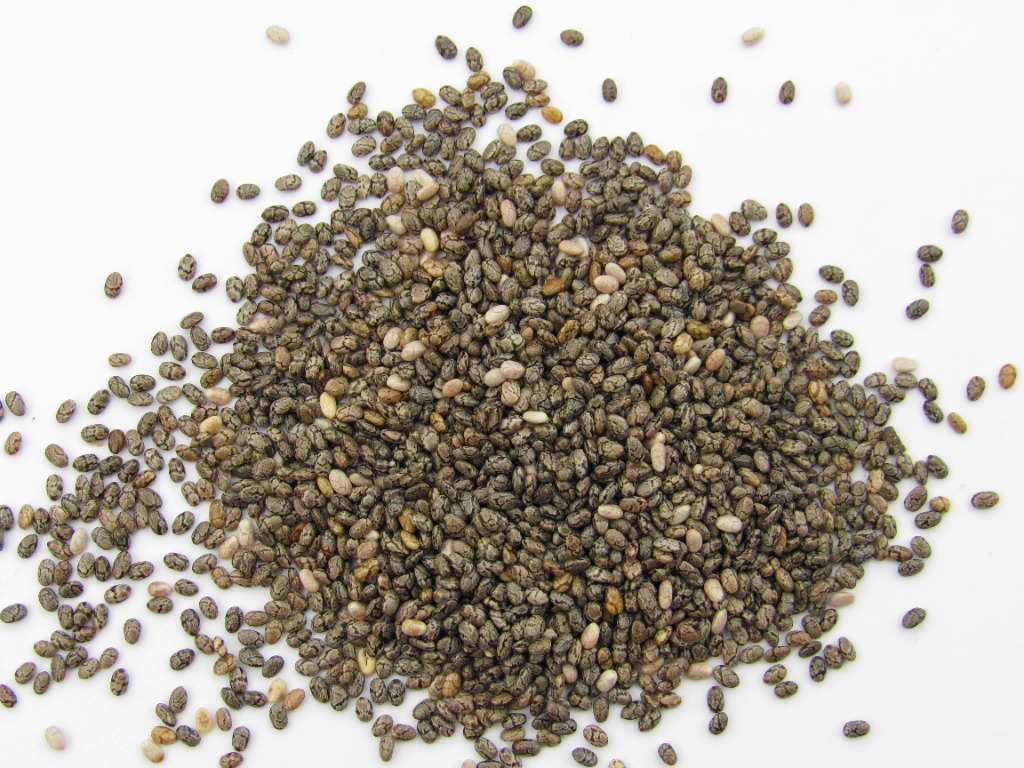
Famous for fiber, but calorie-dense (138 cal/oz). They absorb 12x weight in water, creating a gel that slows digestion.
Always soak chia seeds (10+ mins). Add to oatmeal/yogurt. Never eat dry.
Oats (Whole)
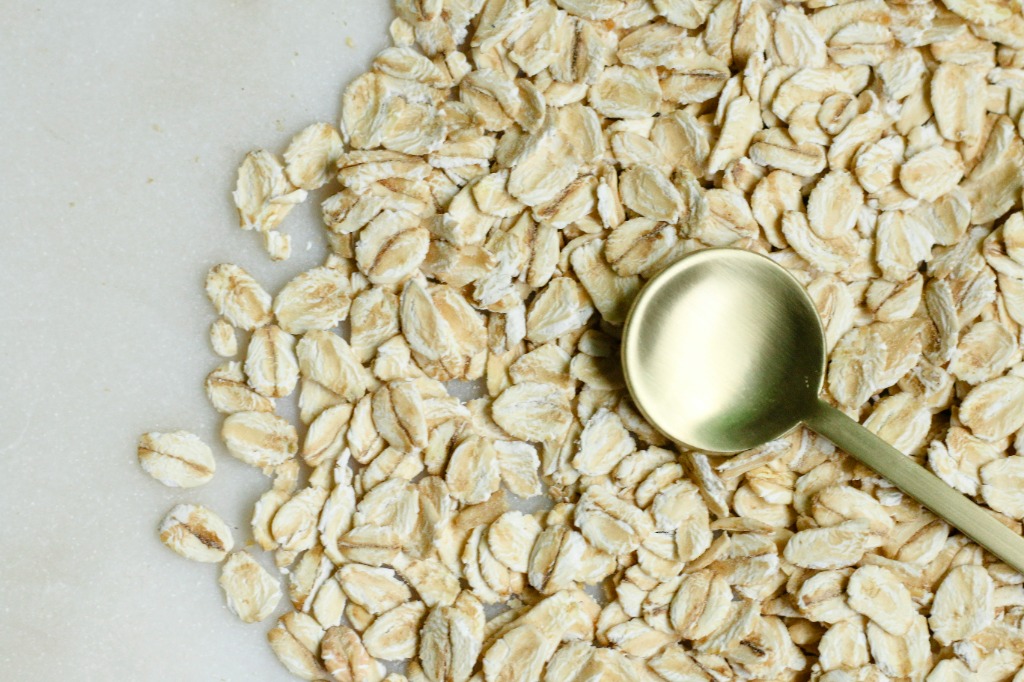
Contains beta-glucan gel. 1 cup cooked is 166 cal/4g fiber. Strong but shorter-term satiety than beans.
Add berries (high-density) and chia seeds to extend satiety from 2 to 4+ hours.
Black Beans
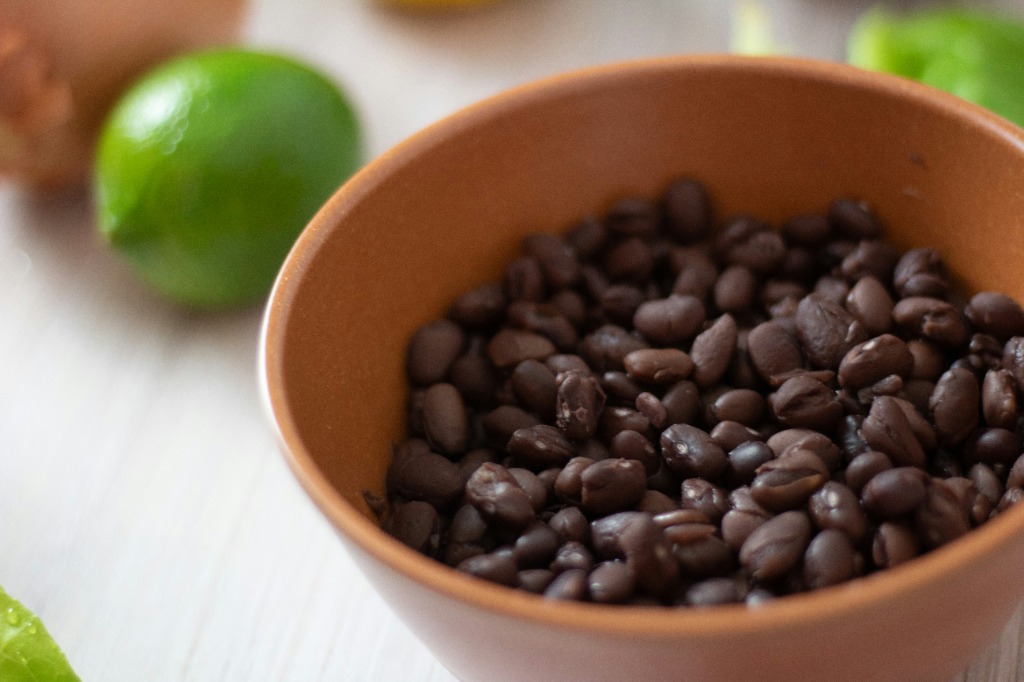
Serious density territory. 1 cup is 227 cal/15g fiber. Resistant starch ferments to produce appetite-suppressing SCFAs.
Cook a large batch on Sunday. Add to salads, soups, and bowls all week.
Lentils
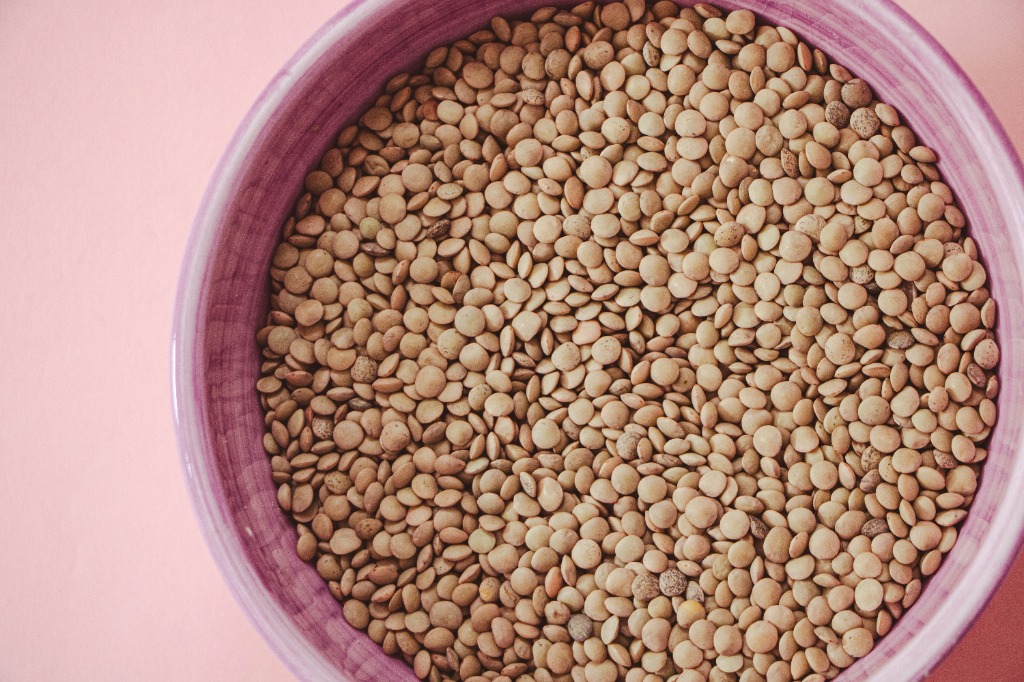
Slightly beats beans. 1 cup is 230 cal/16g fiber + 18g protein. A complete satiety package.
Make lentil soup in bulk with carrots and spinach. Almost impossible to overeat.
Pears (with skin)
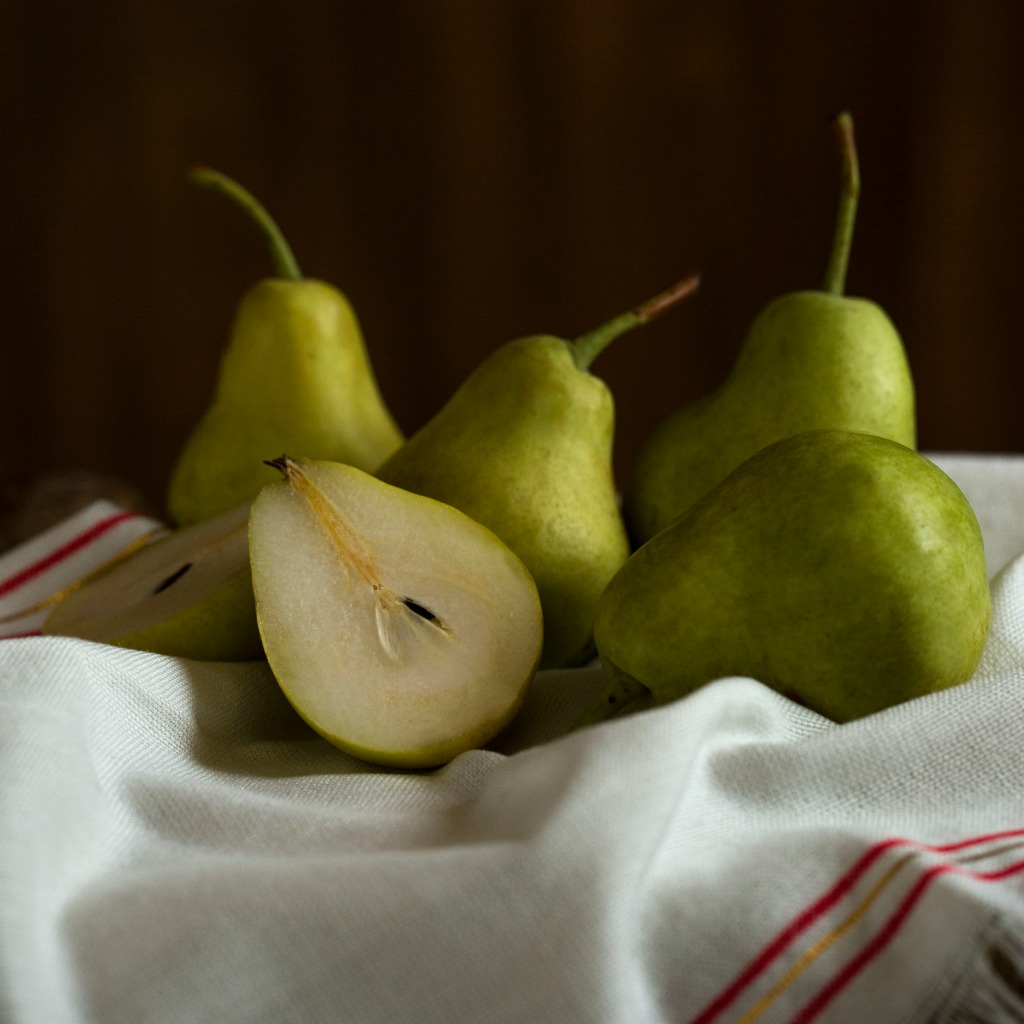
101 cal/5.5g fiber. Pectin forms gel, skin adds bulk.
Eat as a pre-meal snack 15-30 mins before lunch to preload your stomach.
Artichokes
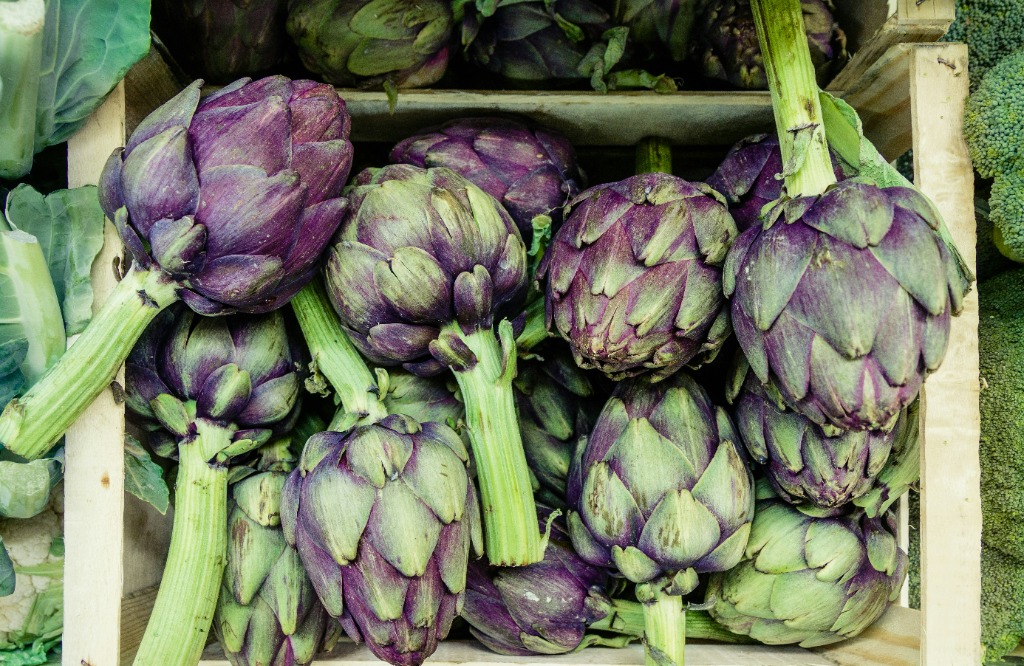
Fiber royalty. 60 cal per artichoke/7g fiber. Contains inulin (prebiotic) which suppresses ghrelin.
Steam and use as appetizer. Scraping leaves with teeth forces slow eating.
Brussels Sprouts
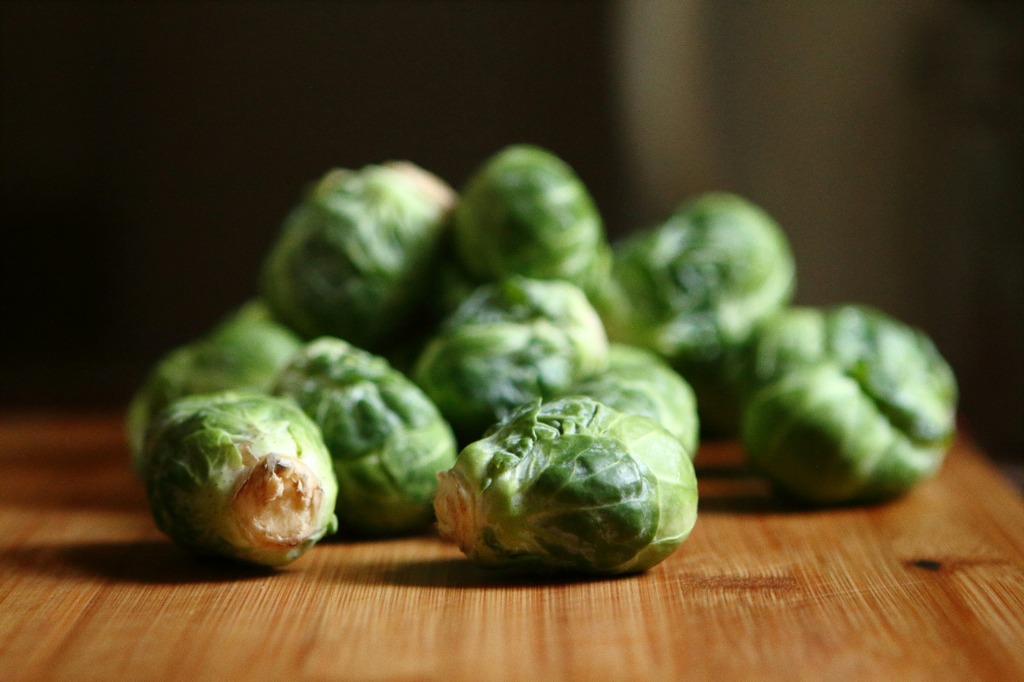
56 cal/cup, 4g fiber. Cruciferous compounds support detox.
Roast with light olive oil. High volume + crunch triggers fullness.
Broccoli
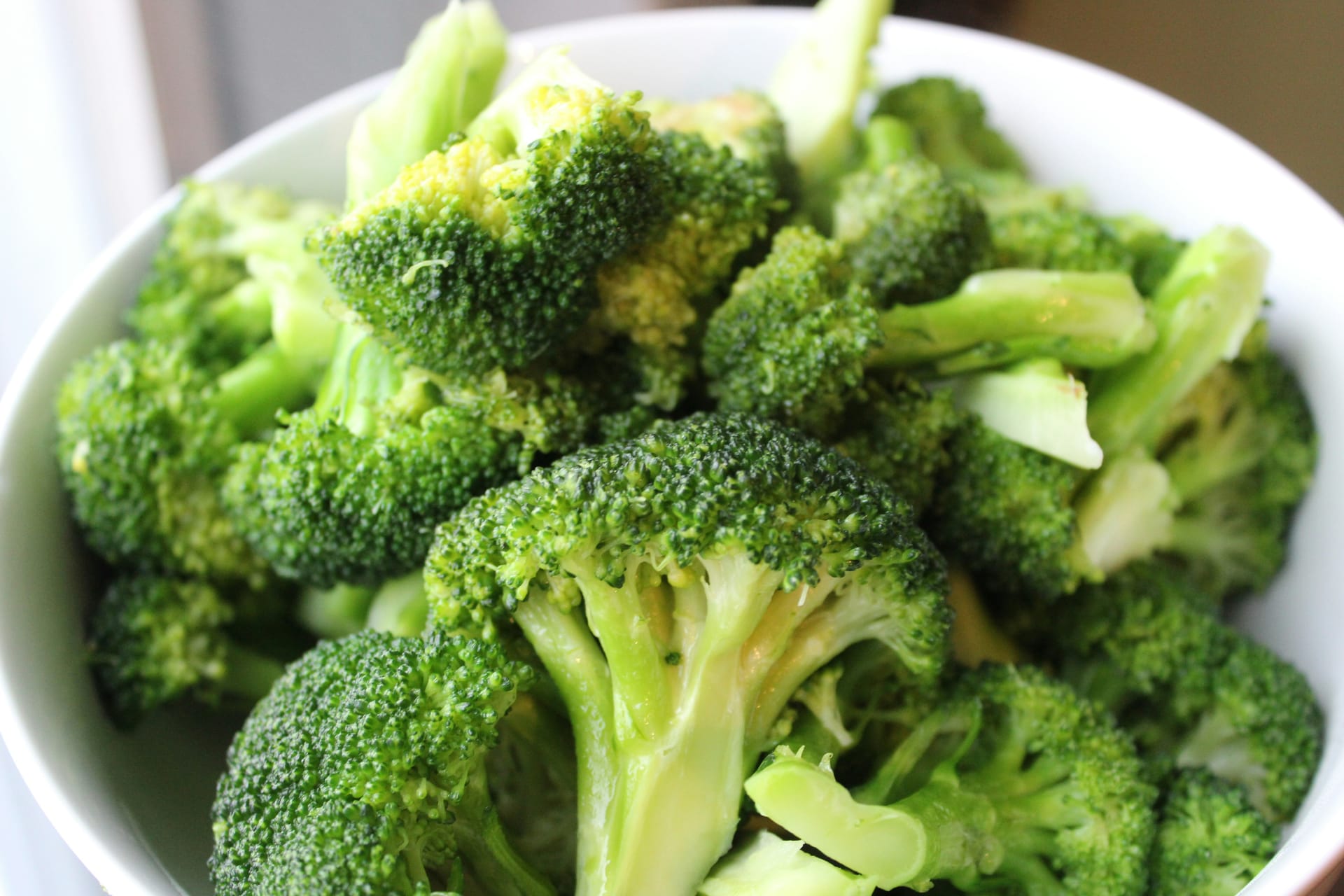
55 cal/cup, 5g fiber. High volume powerhouse.
Steam/roast as stir-fry base. Should fill half your plate.
Cauliflower
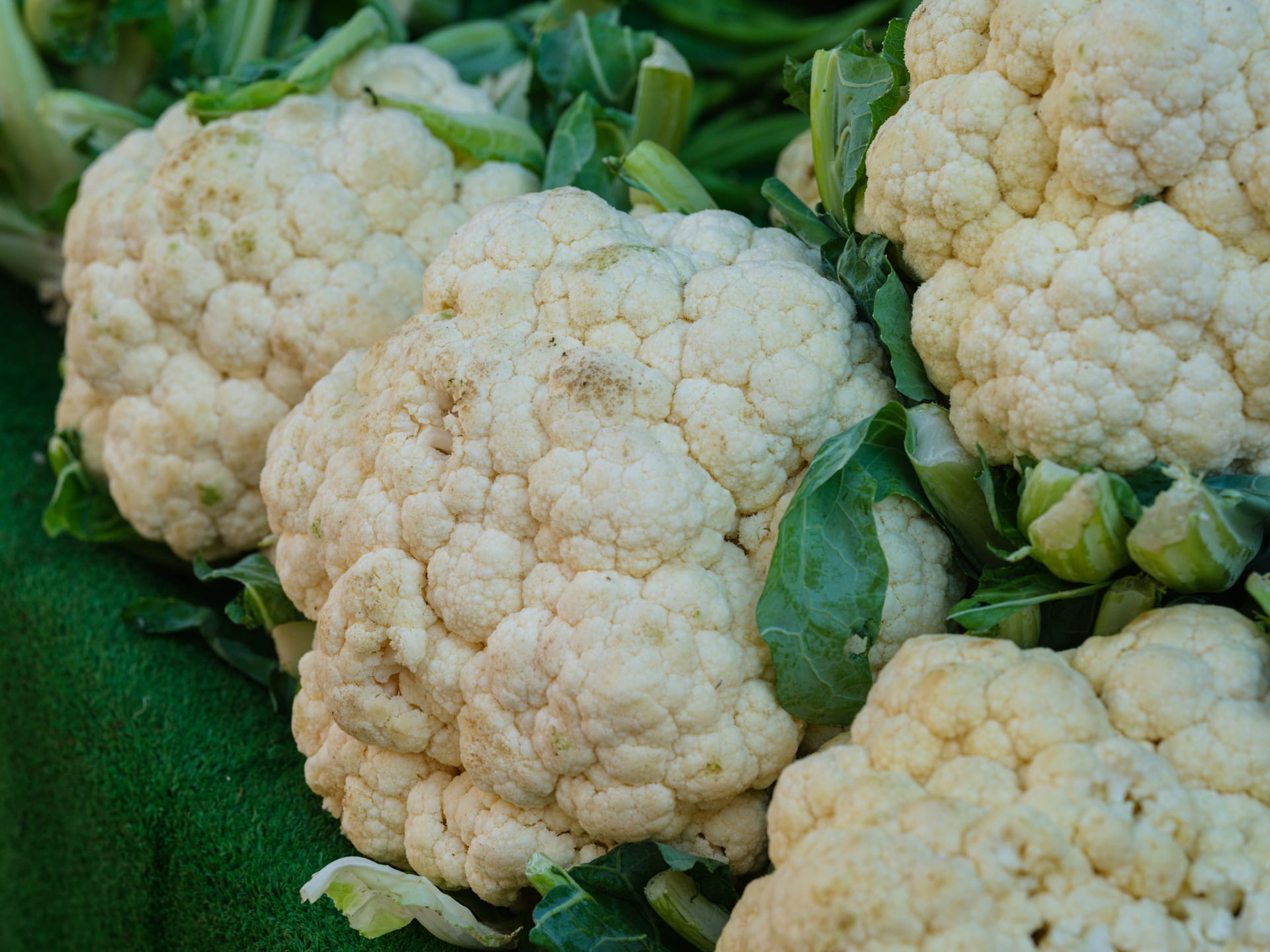
27 cal/cup, 3g fiber. Exceptionally low calorie density. Versatile.
Use cauliflower rice (25 cal/cup) vs regular rice (200+ cal) for 4x volume.
Blackberries
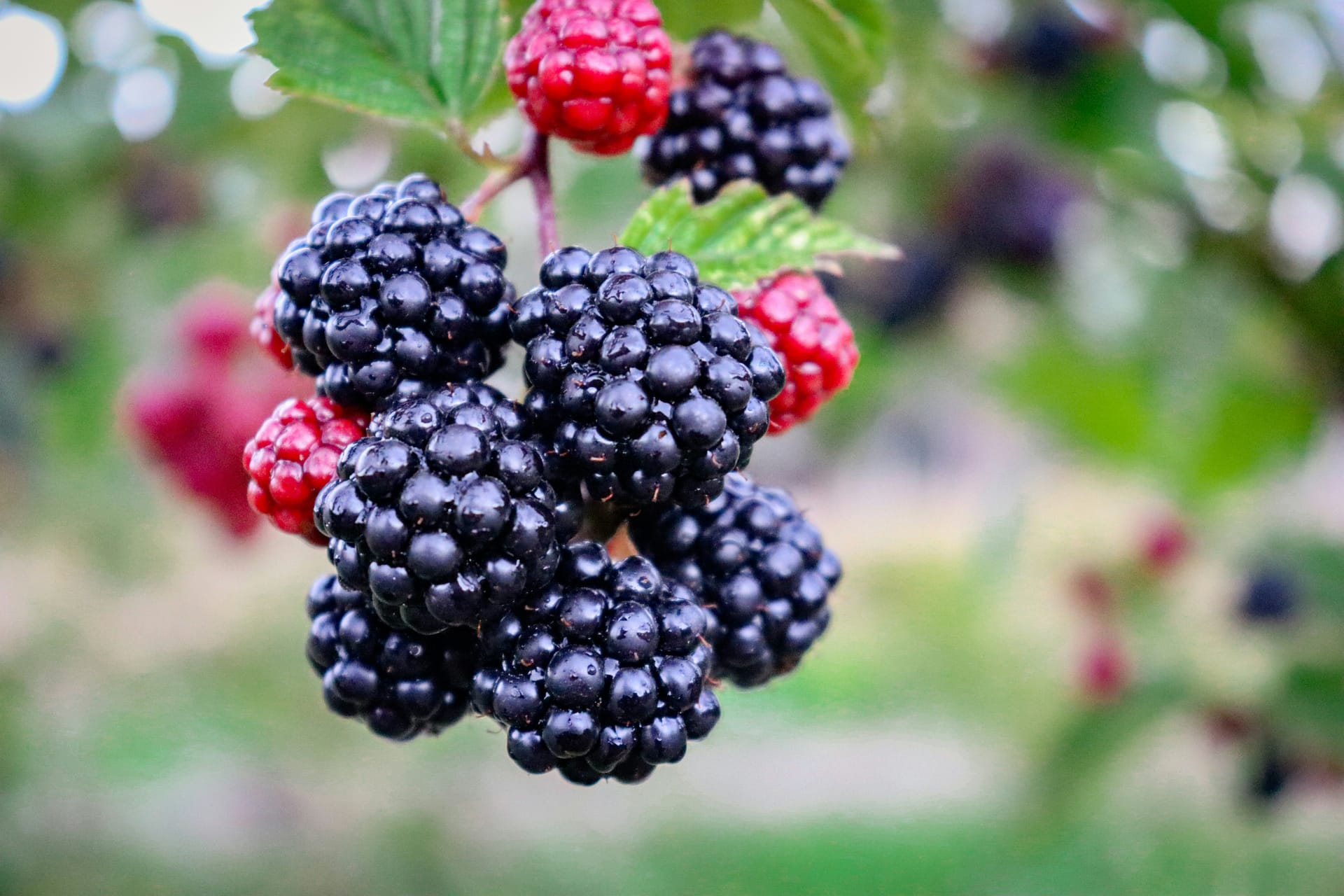
62 cal/cup, 7.6g fiber. Seeds add bulk, antioxidants reduce inflammation.
Add to yogurt or blend frozen into sorbet.
Spinach (cooked)
.jpg)
41 cal/cup, 4.3g fiber. Cooking collapses volume, allowing massive intake.
Wilt into omelets/soups. 10oz raw bag cooks to ~1 cup.
Raspberries
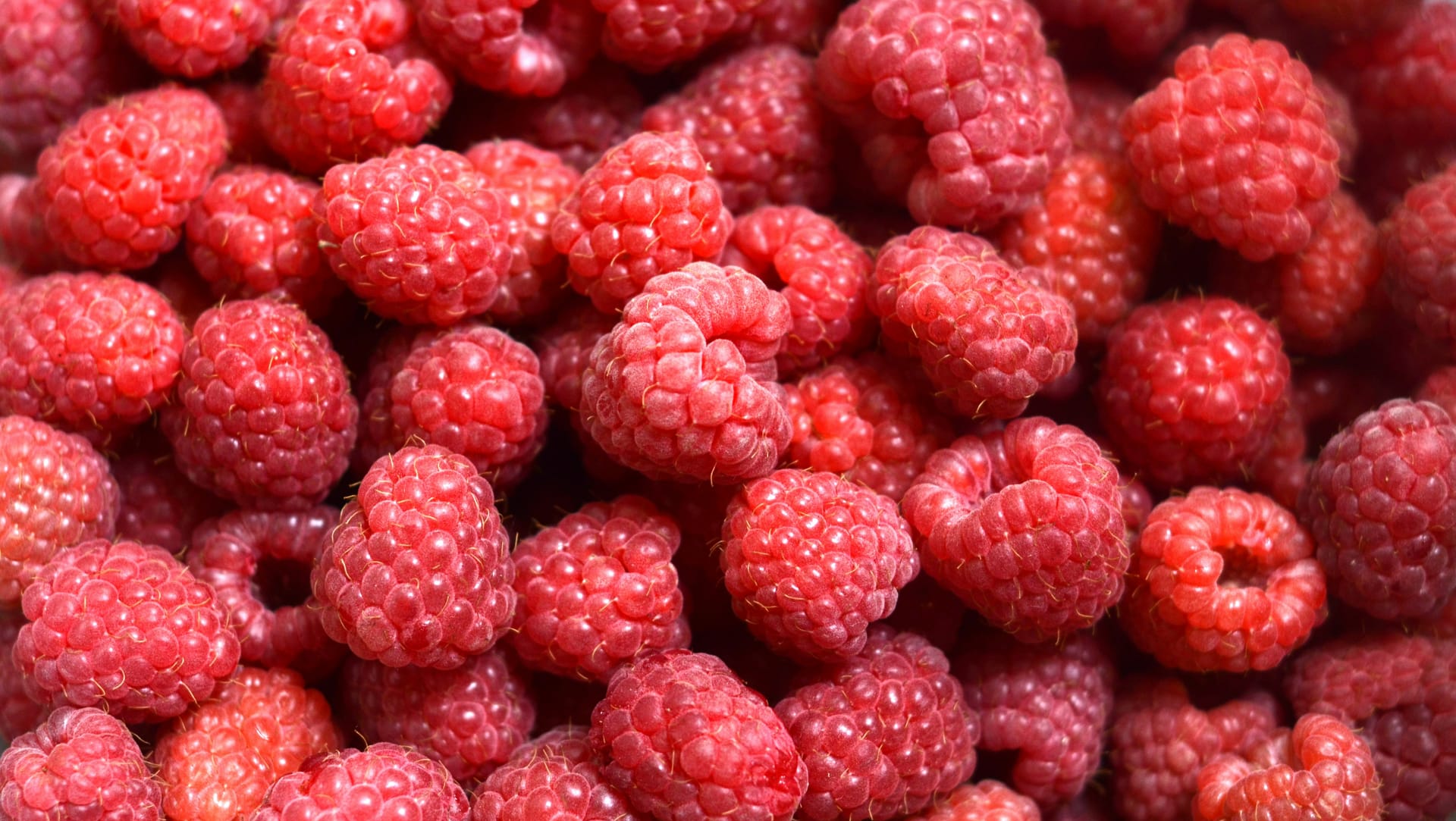
The Champion. 64 cal/cup, 8g fiber. Highest density of any whole food.
Eat by the handful. Blend with Greek yogurt for zero-guilt ice cream.
Density Drives Satiety
Participants eating high-fiber-density meals (10g+ per 100 cal) consumed 20% fewer calories at their next meal.
This happened even when total fiber intake was matched. Proving that density, not just grams, drives the appetite suppression.
Myth: "All Fiber Works the Same"
Visualizing the distinct mechanisms is key to understanding why "mixing" them works better than just eating one type.
Master Ranking Table
| Rank | Food | Density (g/100cal) | Timeline |
|---|---|---|---|
| #1 | Raspberries | 15.6 | Instant + 2-hour |
| #2 | Spinach (cooked) | 14.3 | Instant satiety |
| #3 | Blackberries | 14 | Instant + 2-hour |
| #4 | Cauliflower | 13 | Instant satiety |
| #5 | Broccoli | 12.8 | Instant + Overnight |
| #6 | Brussels Sprouts | 12.2 | Instant + Overnight |
| #7 | Artichokes | 11.4 | 6-hour satiety |
| #8 | Pears (with skin) | 10.8 | 2-hour fullness |
| #9 | Lentils | 10.2 | 6-hour satiety |
| #10 | Black Beans | 9.6 | 6-hour satiety |
| #12 | Chia Seeds | 7.2 | 2-hour fullness |
| #11 | Oats (Whole) | 6.8 | 2-hour fullness |
| #13 | Quinoa | 6 | 6-hour satiety |
| #14 | Almonds | 5.2 | Overnight regulation |
| #15 | Avocado | 4.2 | 2-hour fullness |
The Fiber Loading Strategy
The mistake? Eating fiber at dinner. By then, you've already battled hunger all day.
Breakfast Load (17g Fiber)
- 1 cup cooked oats (4g)
- 1 cup raspberries (8g!)
- 1 tbsp chia seeds (5g)
Lunch Load (16.5g Fiber)
- 2 cups spinach + 1 cup broccoli (9g)
- 1/2 cup black beans (7.5g)
Resistant starch in beans triggers the "Second Meal Effect," suppressing hunger for dinner.
Start Slow (The 4-Week Rule)
Adding 40g of fiber overnight = bloating. Use this ramp-up checklist to adapt your gut slowly.
Add 1/2 cup berries to breakfast
Add 1/2 cup lentils to lunch
Add 1 cup steamed broccoli to dinner
Add 1 tbsp chia seeds to yogurt