
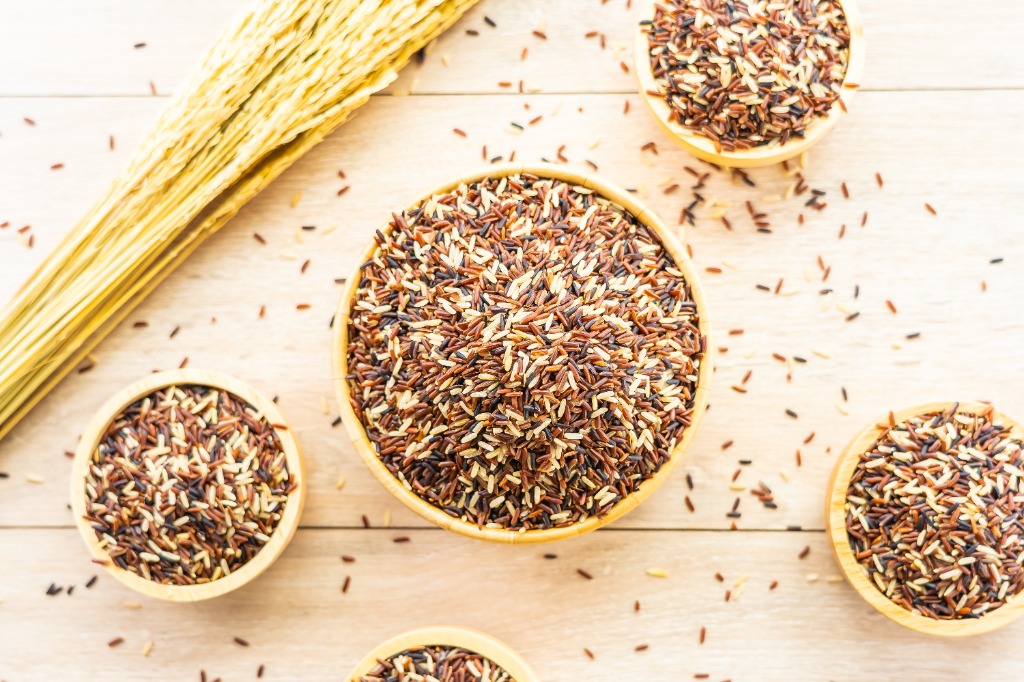
"Carbs make you fat. Rice is just empty calories. Grains cause inflammation."If you've heard these claims, you're not alone. Let's look at what the science actually shows.
Grain Myths That Need to Die
All Rice Is the Same—It's Just Refined Carbs
Scientific Reality Brown rice is a whole grain that retains its bran and germ layers, containing 80-90% more vitamins than white rice.
Research Proof A 2020 BMJ study found whole grain consumption reduced diabetes risk by 16%.
Carbs Make You Fat
Scientific Reality Fiber in brown rice increases satiety and reduces overall calorie intake, supporting weight loss, not gain.
Research Proof 2019 review: Whole grain eaters weighed 2.5 lbs less on average.
Brown Rice Spikes Blood Sugar
Scientific Reality Brown rice has a low-medium Glycemic Index (50-55) compared to white rice (70-90).
Research Proof Replacing white rice with brown reduced diabetes risk by 16% in a study of 197k people.
The Complete Package
What Makes Brown Rice Different?
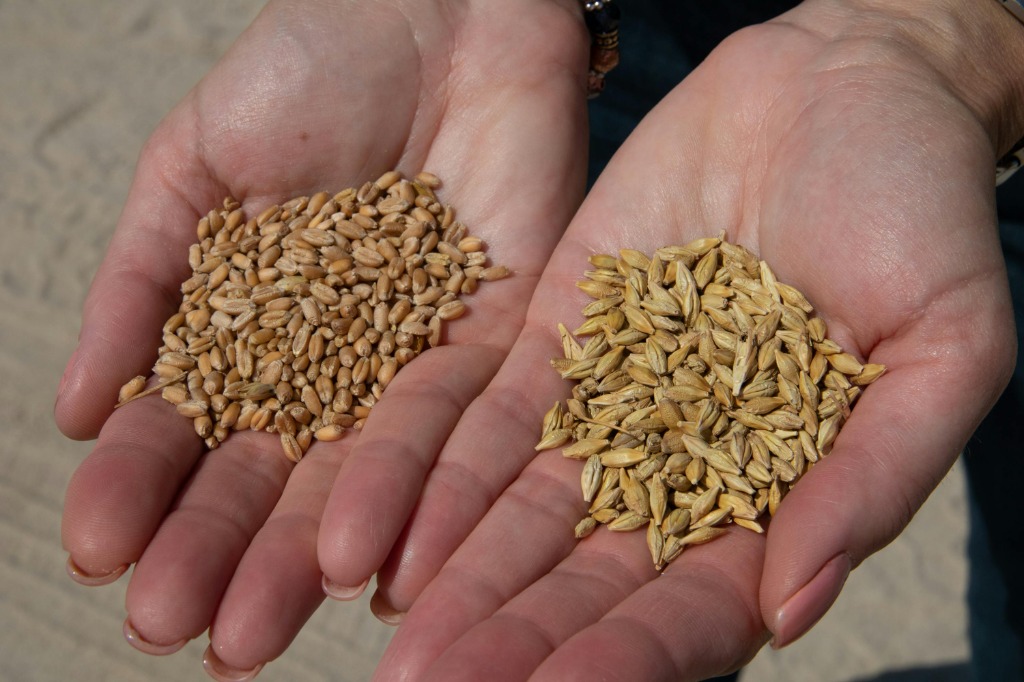
Different types of whole grains showcasing their natural, unprocessed forms
Natural Health Basics
Brown rice is the "Complete Package." Unlike white rice, it retains the vital layers where all the nutrition lives.
- Bran (Outer Layer): Fiber & B-Vitamins
- Germ (Embryo): Healthy Fats & Vit E
- Endosperm (Center): Essential Carbs
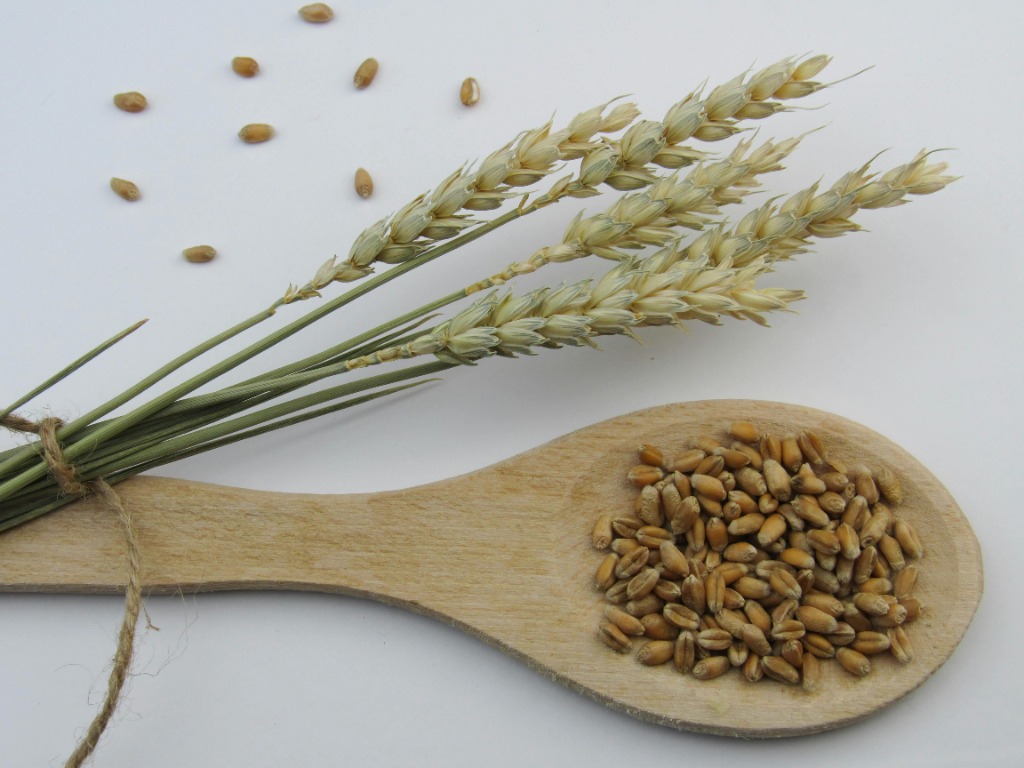
A Systems-Based Approach
Backed by peer-reviewed research, here is how brown rice supports every major system in your body.
Digestive Health
- Promotes Regularity
- Feeds Beneficial Bacteria
- Reduces Cancer Risk
Metabolic Health
- Blood Sugar Control
- Weight Management
- Sustained Energy
Cardiovascular
- Cholesterol Control
- Blood Pressure
- Lower CVD Risk
Skeletal & Muscular
- Bone Density
- Muscle Recovery
- Mineral Matrix
Immune Function
- Selenium Power
- Zinc Regulation
- Anti-Inflammatory
Nervous System
- Brain Energy
- Sleep Quality
- Mental Wellbeing
Your Microbiome's Favorite Fuel

The fiber in brown rice acts as a prebiotic, feeding the good bacteria in your colon. These bacteria produce short-chain fatty acids (SCFAs) that protect colon cells and reduce inflammation.
Research Spotlight: Diverticular Disease
Every 10g increase in daily dietary fiber was associated with a 10% reduction in colorectal cancer risk.
Aune D, Chan DS, et al.
"Dietary fibre, whole grains, and risk of colorectal cancer: systematic review and dose-response meta-analysis"
BMJ (2011)
PubMed: 22008217

Mastering Your Blood Sugar
Brown rice's impact on metabolic health is profound. The fiber triggers fullness hormones (CCK, GLP-1) and suppresses the hunger hormone (ghrelin). Plus, its low glycemic index (50-55) prevents the blood sugar rollercoaster.
Diabetes Risk
-16%
Lower risk with 1/3 serving swap
Weight Impact
-2.5 lbs
Avg weight difference for whole grain eaters
Proactively Protecting Your Heart
Heart disease is the #1 cause of death worldwide. Brown rice offers multiple cardiovascular benefits, from magnesium-driven blood pressure regulation to soluble fiber that binds and removes excess cholesterol.
Fiber Impact
9% lower risk of CVD for every 7g increase in daily fiber.


Building Strong Foundations
Brown rice provides the mineral matrix—Magnesium, Phosphorus, and Manganese—required for bone density. It also provides the complex carbohydrates needed to restore muscle glycogen after intense training.
Bone Power
Provides 88% DV of Manganese, critical for bone tissue formation and maintenance.
Fortifying Your Internal Defense
Your immune system requires specific minerals to function optimally. Brown rice provides a significant dose of Selenium and Zinc, which act as co-factors for antioxidant enzymes that protect your cells from oxidative stress and viral threats.
Immune Power
Selenium produces glutathione peroxidase, a critical antioxidant enzyme that protects cells from damage and supports immune defense.


Nuancing Your Brain Health
The complex B-vitamins in brown rice—specifically B1 (Thiamine), B3 (Niacin), and B6—are essential for neurotransmitter synthesis and sustained brain energy. Its stable glucose delivery also prevents the "brain fog" associated with refined sugar spikes.
Steady Focus
Unlike refined grains, brown rice provides a steady drip of glucose to the brain, supporting cognitive endurance and mood stability.
How to Incorporate Brown Rice Into Your Diet
Knowing the benefits is one thing. Actually eating brown rice consistently is another. Here's how to make it easy, delicious, and a permanent staple in your kitchen.
The Soak Method
Soak brown rice for 2-4 hours before cooking. This reduces cooking time to 25-30 minutes and neutralizes phytic acid for better mineral absorption.
Bulk Batching
Cook 2-3 cups at once and store in the fridge. Cold rice has a lower Glycemic Index due to "resistant starch" formation.

The Arsenic Question: Practical Solutions
While brown rice naturally absorbs more arsenic from soil than white rice, specific preparation methods can significantly reduce levels.
1. Rinse Thoroughly
Rinsing rice before cooking removes surface starch and reduces arsenic by 25-30%.
2. The 6:1 Ratio
Cook like pasta: Use 6 cups of water for 1 cup of rice, then drain. This removes up to 50% of arsenic.
3. Rotate Grains
Don't eat rice for every meal. Rotate with quinoa, barley, and oats to minimize exposure risk.
4. Choose Variety
Basmati and Jasmine rice (especially from California or India) tend to have lower levels.
Higher Risk Groups
Pregnant women and children under 5 are more sensitive to arsenic. For these groups, experts recommend limiting brown rice to 3-4 servings per week and prioritizing other whole grains.
The Comprehensive Grain Comparison
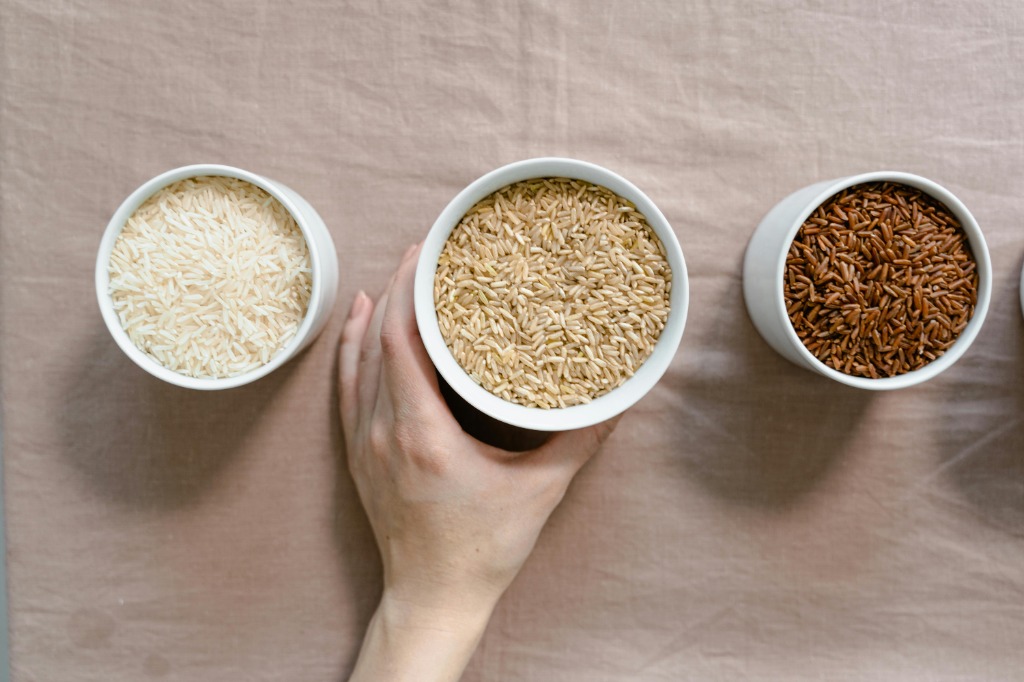
Different Varieties of Whole Grains
| Grain | Fiber | Glycemic Index | Key Advantage |
|---|---|---|---|
| Brown Rice | 3.5g | 50-55 (Low) | Manganese & Selenium powerhouse |
| Quinoa | 5.0g | 53 (Low) | Complete protein profile |
| Oats | 4.0g | 55 (Low) | Beta-glucan for heart health |
| White Rice | 0.6g | 70-90 (High) | Minimal nutritional value |
Frequently Asked Questions
Can I eat brown rice every day?
Yes, for most people. However, variety is key. We recommend rotating with other whole grains 2-3 times a week.
Why does it take so long to cook?
The intact bran layer creates a barrier for water absorption. Tip: Soak overnight to reduce cooking time to 25 minutes.
Is it safe for diabetics?
Absolutely. Its low glycemic index makes it a preferred choice over white rice for blood sugar management.
"Make brown rice your primary grain choice."
Your body will thank you with better digestion, stable energy, and a healthier heart.