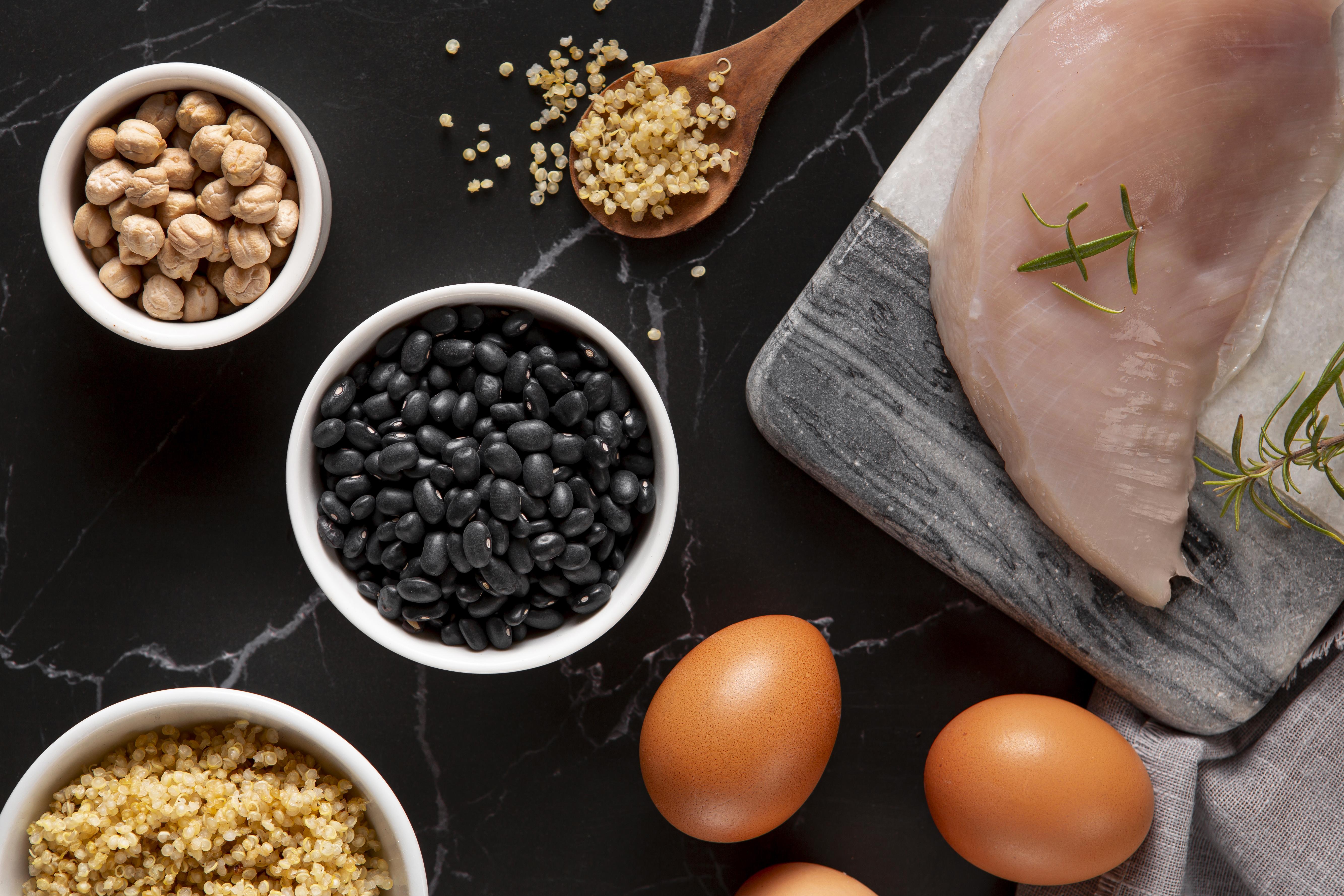
Intermittent fasting (IF) is an eating pattern that cycles between periods of eating and fasting. It does not specify which foods to eat - only when to eat them. Research shows IF is an effective tool for weight loss, improved insulin sensitivity, reduced inflammation, and metabolic health. The most popular and evidence-supported approach for beginners is the 16:8 method - eating within an 8-hour window and fasting for 16 hours. Most of those 16 hours are spent asleep.
Introduction: What Intermittent Fasting Actually Is
Intermittent fasting has become one of the most searched dietary approaches in the world - and one of the most misunderstood. It is frequently portrayed as either a miraculous fat-loss solution or a dangerous form of starvation. The research tells a more measured and genuinely interesting story.
Intermittent fasting is not a diet in the conventional sense. It does not tell you what to eat. It tells you when to eat - and more specifically, when not to eat. By concentrating your eating within a defined window and extending the overnight fast that everyone already does during sleep, IF influences a specific set of metabolic and hormonal processes that drive its benefits.
A 2020 review published in the New England Journal of Medicine by neuroscientist Mark Mattson - one of the world's leading IF researchers - concluded that intermittent fasting triggers fundamental cellular and molecular mechanisms that evolved to shift metabolism from glucose-based to fat-based energy during periods of food scarcity. These mechanisms - including improved insulin sensitivity, autophagy (cellular cleaning), and ketone production - have wide-ranging health implications beyond simple caloric restriction.
Crucially: most of the research also shows that when calories are equated, IF does not produce meaningfully greater fat loss than continuous caloric restriction. Its primary advantage is behavioural - it provides a simple, rule-based structure that many people find easier to follow consistently than counting calories or tracking macronutrients.
This guide covers everything a beginner needs to know: the different methods, the evidence for each benefit, the realistic expectations, and the practical protocol to start this week.
1How Intermittent Fasting Works: The Physiology
Understanding what happens in your body during a fast clarifies why IF produces the effects it does - and why the timing matters.
The Fed State (0–4 Hours After Eating)
Immediately after eating, blood glucose rises and the pancreas releases insulin to move glucose into cells for energy or storage. During this period - the fed state - insulin levels are elevated and fat burning (lipolysis) is actively suppressed. The body is running on the energy just consumed.
The Post-Absorptive State (4–12 Hours After Eating)
Blood glucose and insulin levels begin to fall as the meal is absorbed and processed. The body draws on liver glycogen (stored glucose) to maintain blood glucose. Fat oxidation begins to increase as insulin drops. This is the normal state most people are in before breakfast after a night's sleep.
The Fasted State (12+ Hours After Last Meal)
Liver glycogen stores become significantly depleted. The body increases fat mobilisation - releasing stored fatty acids from adipose tissue as the primary energy source. Insulin levels reach their lowest point. Growth hormone levels begin to rise (peaking at approximately 24 hours of fasting in some studies). Autophagy - the cellular process of clearing damaged proteins and organelles - begins to accelerate.
Research in Cell Metabolism (2019) confirmed that metabolic switching - the transition from glucose-based to fat-based fuel - occurs at approximately 12–14 hours of fasting, explaining why most IF protocols target at least 14–16 hours.
Ketones: The Fasting Fuel
As glycogen depletes and fat oxidation increases, the liver converts fatty acids into ketone bodies - an alternative fuel source for the brain and body. Research in the New England Journal of Medicine (2019) found that ketones produced during fasting have signalling properties beyond energy provision - activating genes involved in stress resistance, inflammation reduction, and cellular repair. This is why IF advocates describe cognitive benefits (brain fog reduction, improved focus) that go beyond what caloric restriction alone produces.
2The Most Popular Intermittent Fasting Methods
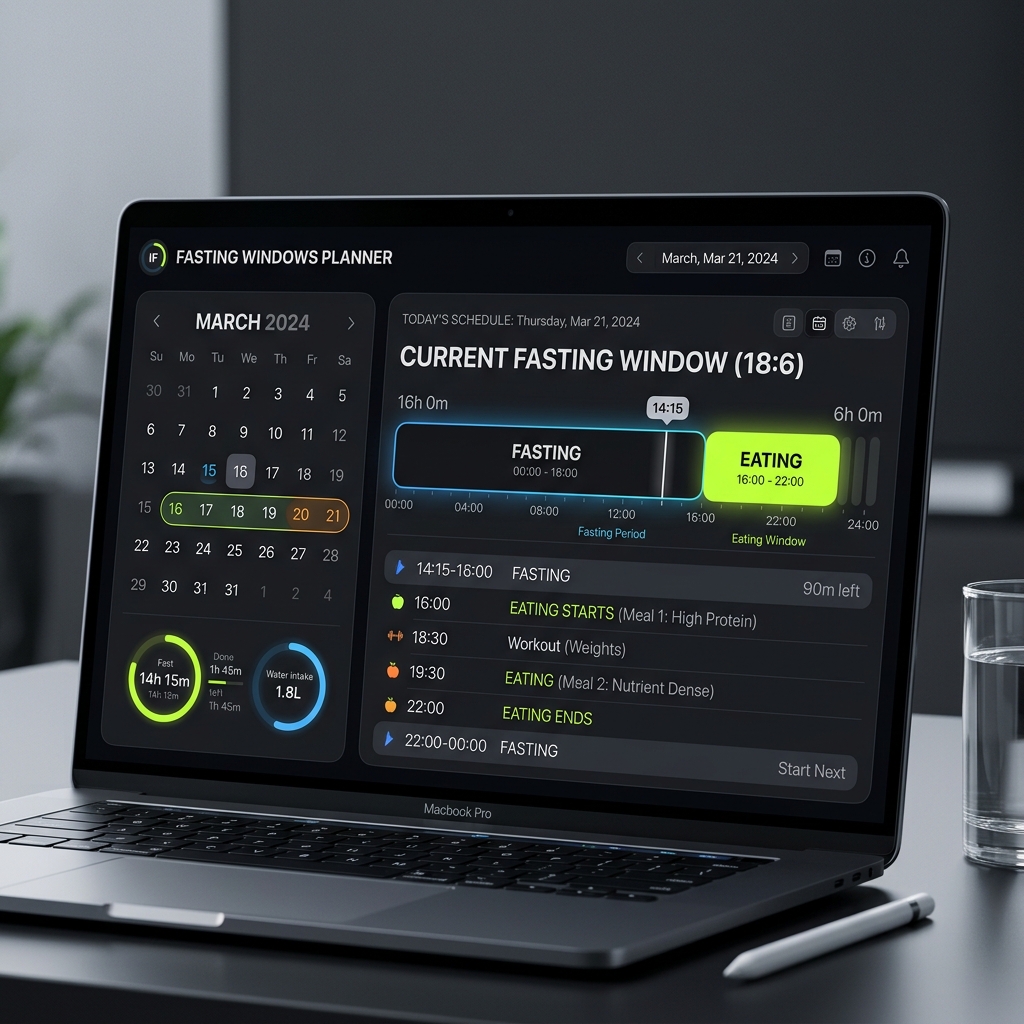
There is no single "intermittent fasting" - it is a category of eating patterns with different fasting durations. Here are the most researched and most commonly used:
Method 1: 16:8
What it is: Eat within an 8-hour window, fast for 16 hours. The 16 hours typically includes 7–9 hours of sleep, making the actual conscious fasting period 7–9 hours.
Example schedule: Eating window: 12:00 PM – 8:00 PM. Fasting window: 8:00 PM – 12:00 PM next day.
What research shows: A 2020 study in Cell Metabolism found 16:8 fasting reduced caloric intake by approximately 350 calories per day and improved cardiometabolic markers in overweight adults - without any explicit calorie counting.
Best for: Beginners, people who are not hungry in the morning, anyone who finds skipping breakfast easy.
Method 2: 5:2 Diet
What it is: Eat normally for 5 days of the week. On 2 non-consecutive days, restrict calories to 500–600 (roughly 25% of normal intake).
What research shows: A 2011 trial published in the International Journal of Obesity found that 5:2 produced comparable weight loss to daily caloric restriction over 6 months.
Best for: People who prefer flexibility on most days and can tolerate 2 very low-calorie days per week.
Method 3: 14:10
What it is: Eat within a 10-hour window, fast for 14 hours. A gentler introduction to time-restricted eating.
Example schedule: Eating window: 8:00 AM – 6:00 PM. Fasting window: 6:00 PM – 8:00 AM.
Best for: People transitioning from standard eating to IF, those who find 16:8 too challenging initially.
Method 4: OMAD (One Meal a Day - 23:1)
What it is: Eating all daily calories in a single meal, fasting for approximately 23 hours.
Best for: Experienced IF practitioners. Not recommended for beginners due to the difficulty in getting all micronutrients and higher muscle loss risk.
Method 5: Eat-Stop-Eat (24-Hour Fasts)
What it is: One or two complete 24-hour fasts per week.
Best for: People specifically interested in autophagy benefits rather than primarily weight loss. Not recommended as a beginner starting point.
3Evidence-Based Benefits of Intermittent Fasting
Benefit 1: Weight and Fat Loss
IF produces weight loss primarily by reducing total caloric intake - the fasting window limits the opportunity to eat. A 2020 meta-analysis in the Annual Review of Nutrition found average weight loss of 0.8–13% of body weight over 2–24 weeks - comparable to continuous caloric restriction. The practical advantage is adherence: many find time-based rules easier than counting calories.
- Related: How to Lose Weight Without ExerciseBenefit 2: Improved Insulin Sensitivity
Research in Obesity Reviews (2017) found that IF reduced fasting insulin levels by 20–31% and fasting glucose by 3–6%. The mechanism involves extended periods of low insulin that restore insulin receptor sensitivity.
Benefit 3: Reduced Inflammation
A 2019 study in Cell found that fasting dramatically reduced pro-inflammatory monocytes - immune cells that drive systemic inflammation - with effects persisting beyond the fasting period.
Benefit 4: Autophagy - Cellular Cleaning
Autophagy is the process by which cells break down damaged proteins and organelles. A 2019 study in Autophagy found that fasting is the most powerful known trigger of autophagy in humans. Research suggests autophagy begins to increase meaningfully at 16–18 hours of fasting.
Benefit 5: Cardiovascular Health
A 2019 review in the British Medical Journal found IF produced significant reductions in: total cholesterol, LDL cholesterol, triglycerides, blood pressure, and resting heart rate.
Benefit 6: Cognitive Function and Brain Health
Emerging research suggests significant neurological benefits from IF - driven by ketone production, BDNF (brain-derived neurotrophic factor) upregulation, and reduced neuroinflammation.
- Related: Why Am I Always So Tired?4What the Research Says IF Does NOT Do
Honesty about limitations is essential for setting appropriate expectations.
IF Is Not Metabolically Superior to Caloric Restriction
When calories and protein are equated, the outcomes are virtually identical. A 2020 RCT in JAMA Internal Medicine found no significant difference in weight loss or metabolic markers between 16:8 IF and continuous caloric restriction. IF's advantage is adherence - not metabolic magic.
IF Does Not Build Muscle Better Than Standard Eating
Distributing protein across 3–4 meals maximises muscle protein synthesis throughout the day - which is compromised by compressing eating into an 8-hour window. If muscle building is your primary goal, prioritise adequate protein distribution over strict IF adherence.
- Related: How to Increase Muscle Mass Guide5Who Should NOT Try Intermittent Fasting
- Pregnant or breastfeeding women: Caloric restriction is associated with adverse outcomes.
- People with a history of eating disorders: The restrictive structure can trigger disordered eating patterns.
- People with type 1 diabetes: Fasting significantly affects blood glucose management.
- People with type 2 diabetes on medication: Can cause hypoglycaemia without medical supervision.
- Children and adolescents: Growing bodies have continuous nutritional needs.
- Women with hormonal irregularities: Aggressive IF protocols can disrupt the hypothalamic-pituitary-ovarian axis.

6Practical Guide: How to Start Intermittent Fasting
Week 1–2: The 14:10 Transition
Goal: Stop eating by 7–8 PM and do not eat until 9–10 AM. Most people already do something close to this.
What you can consume during fasting hours:
- Water - unlimited, encouraged
- Black coffee - no milk, cream, or sugar
- Plain tea - herbal or green, no milk or sugar
- Sparkling water
Week 3–4: Transitioning to 16:8
Goal: Push the first meal to 12:00 PM and maintain the same evening cut-off.
Morning hunger on IF is primarily habitual. Practical strategies for managing morning hunger during adaptation: drink a large glass of cold water immediately upon waking, have black coffee or green tea, and know it gets significantly easier after 10–14 days.
7What to Eat During Your Eating Window
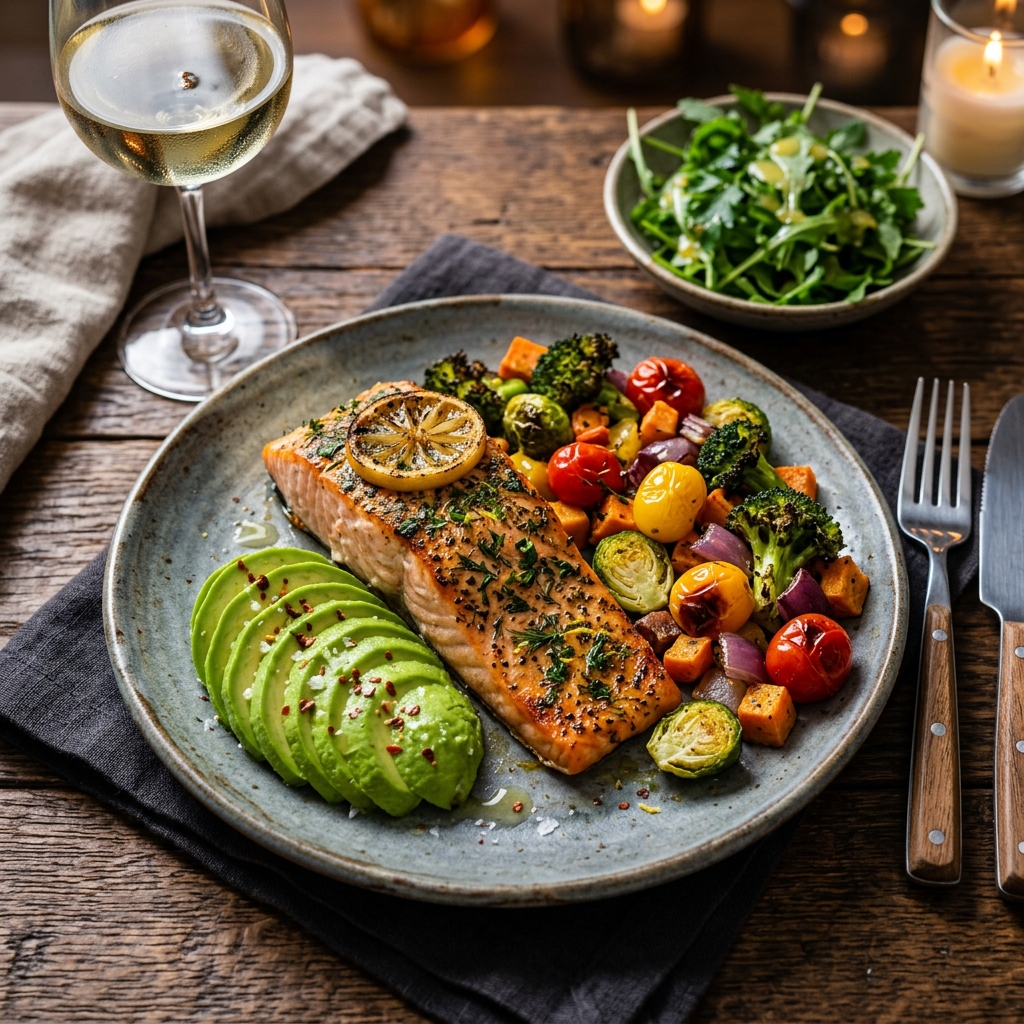
IF does not prescribe specific foods - but what you eat dramatically affects the results.
- Prioritise Protein: High protein improves satiety, preserves muscle mass, and maximises body composition benefits. Target 0.7–1.0 grams per pound of body weight.- Related: Benefits of Protein
- Build Meals Around Fibre: Fibre extends satiety through the fasting window.- Related: 15 High Fiber Foods for Weight Loss
- Avoid Ultra-Processed Foods: They undermine IF's benefits by impairing satiety signalling and spiking blood glucose.
- Do Not Significantly Under-Eat: Eating 800 calories when your TDEE is 2,000 is not sustainable IF - it will produce muscle loss and rapid rebound.- Related: Calorie Deficit Calculator
8Sample Meal Plans for Intermittent Fasting (16:8)
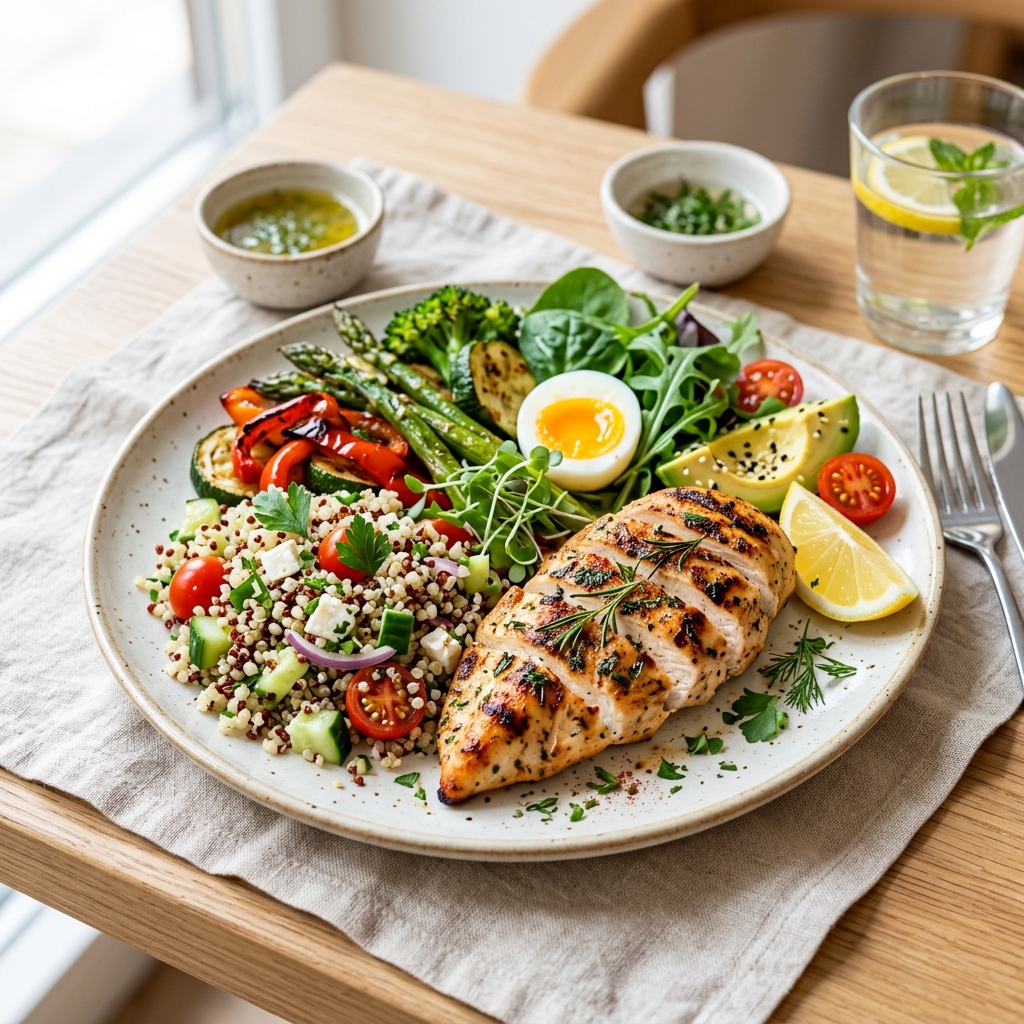
Sample Day 1 - Higher Protein
- 12:00 PM (Lunch): 150g grilled chicken breast, mixed salad, 1 tbsp olive oil dressing, 1 slice whole grain bread. (~450 cal, 40g protein)
- 4:00 PM (Snack): 170g non-fat Greek yogurt, 100g berries. (~140 cal, 17g protein)
- 7:30 PM (Dinner): 150g baked salmon, 150g roasted vegetables, 150g lentils, handful of walnuts. (~550 cal, 38g protein)
Totals: ~1,140–1,400 cal, ~95g protein
Sample Day 2 - Plant-Based
- 12:00 PM (Lunch): Tofu stir-fry (150g firm tofu), 150g brown rice, 1 tbsp sesame oil. (~500 cal, 22g protein)
- 4:30 PM (Snack): 2 tbsp almond butter on rice cakes, 1 apple. (~280 cal, 7g protein)
- 7:30 PM (Dinner): Lentil and vegetable soup, 1 slice whole grain bread, mixed green salad. (~420 cal, 22g protein)
Totals: ~1,200 cal, ~51g protein

9Managing Common IF Challenges
"I Feel Dizzy or Lightheaded"
Cause: Low blood sugar or dehydration.
Solution: Increase water and electrolyte intake (a pinch of sea salt in water restores sodium). Ensure the first meal is substantial.
"I Am Extremely Hungry During the Fast"
Cause: Normal habitual hunger driven by conditioned meal timing.
Solution: Stay hydrated, stay busy, and wait it out. Ghrelin rises and falls in waves - peak hunger typically passes within 20–30 minutes.
"My Exercise Performance Is Suffering"
Cause: Training in a fasted state.
Solution: Adjust the eating window to allow training in a fed state. A 10:00 AM – 6:00 PM window allows morning exercise after a pre-workout meal.
10Realistic Expectations
What IF Consistently Produces
- Weight loss when a caloric deficit exists
- Improved insulin sensitivity within 2–4 weeks
- Simplified daily eating structure
- Increased autophagy during fasting periods
What IF Does NOT Produce
- Greater fat loss than equivalent caloric restriction
- Muscle gain
- Guaranteed results without appropriate food quality
- Benefits without consistency
Frequently Asked Questions
The Bottom Line
Intermittent fasting is a well-researched, evidence-supported eating approach with a genuine set of metabolic, hormonal, and health benefits. Its primary advantage over standard continuous caloric restriction is behavioural simplicity.
Start with 14:10 for 2 weeks. Prioritise protein during your eating window. Be patient - the first week is the hardest, and it gets substantially easier.