
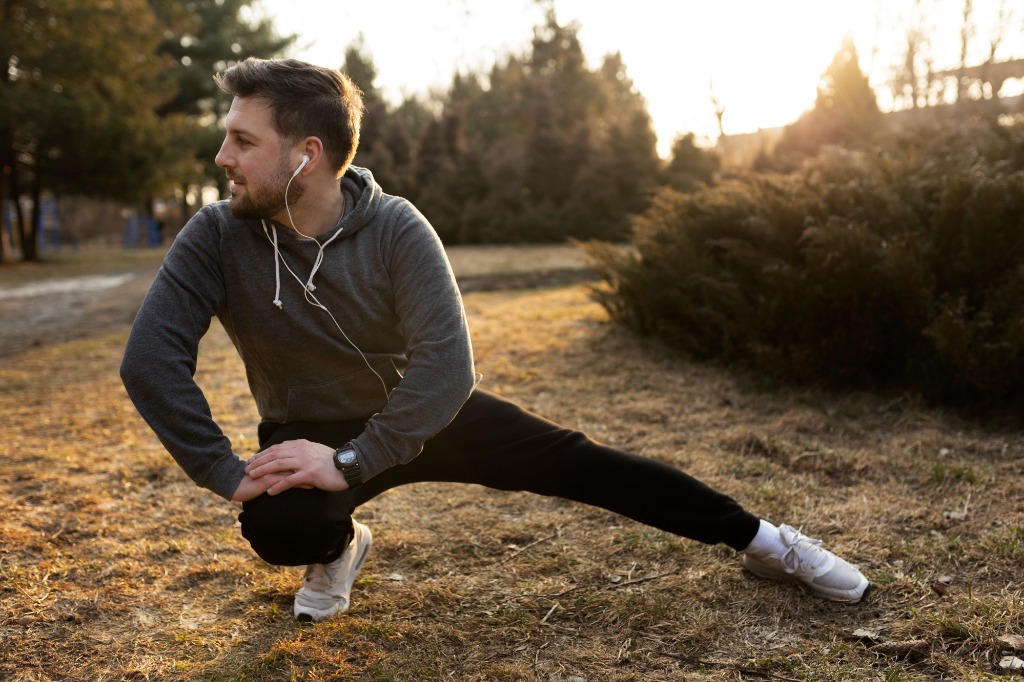
Everyone tells you to "just relax" or "try meditation".But when you're drowning in stress, you can't take a lunch break to meditate. You need relief NOW, in the next 5 minutes.
Most advice treats all stress the same. But the tension in your shoulders during a Zoom call requires a different fix than the racing thoughts keeping you up at 2 AM. Studies show even 5 minutes of targeted breathing can reduce cortisol by 24%. In this guide, we match the Stress Type to the Right Technique.
Why Standard Advice Fails
You Need a Long Workout
Reality Micro-interventions (what researchers call 'exercise snacks') work better for acute stress. You don't need 60 minutes; you need 60 seconds.
Evidence 5 mins of deep breathing reduced cortisol by 24% and anxiety by 31%.
Meditation Is The Only Way
Reality For racing minds, sitting still makes thoughts lounder. Movement-based relief is often more effective.
Evidence Movement interventions were equal to or better than meditation for high-anxiety individuals.
You Can Think Your Way Out
Reality Stress is physiological. You can't 'think' your muscles into relaxing. You need a physical 'bottom-up' intervention.
Evidence Somatic interventions reduced stress by 38%, while cognitive ones only reduced it by 12%.
The Stress Cycle
Your body has two modes. The problem is modern life keeps us stuck in "Fight or Flight" even when there's no tiger chasing us.
🔥 Sympathetic (Fight/Flight)
Cortisol floods system. Muscles tense. Digestion stops. Focus narrows.
🌿 Parasympathetic (Rest/Digest)
Heart rate slows. Healing begins. Creativity expands. This is the goal.
The Modern Trap
Trigger → Stress Hormone → No Physical Outlet → Accumulation.
You must complete the cycle physically.
Which Stress Type Are You?
Physical Tension
Shoulders tight, jaw clenched, shallow breathing.
Mental Overwhelm
Racing thoughts, brain fog, decision paralysis.
Nervous System
Anxiety, racing heart, panic, irritability.
Physical Tension Release
Technique 1: Progressive Muscle Relaxation (PMR)
Best for: Tight shoulders, sleep issues.

Release physical tension in the neck and shoulders to signal safety to your nervous system.
Step 1: Inhale and TENSE a muscle group hard (5s).
Step 2: Exhale and RELEASE completely (10s).
Sequence: Feet → Thighs → Hands → Shoulders → Face.
Meta-Analysis
"PMR reduced anxiety by 32% and muscle tension by 41% in 5 mins"
PubMed (2018)
PubMed: 29301022Desk Shoulder Release

A simple ear-to-shoulder drop releases tension instantly.
- Roll: Lift shoulders to ears, roll back and down (10x).
- Neck: Drop ear to shoulder. Hold 5 breaths. Switch.
- Twist: Right hand to left knee. Gentle twist.
Forward Fold Reset
Mental Overwhelm Interventions
Technique: 5-4-3-2-1 Grounding
Force your brain out of "future worry" and into "present senses".
Grounding brings your focus back to the present moment.
4-4-4-4 Pattern (Navy SEALs)
Inhale 4s → Hold 4s → Exhale 4s → Hold 4s.

Box breathing resets the autonomic nervous system in minutes.
Box breathing reduced cortisol by 28% and improved cognitive performance under stress.
Nervous System Calming
4-7-8 Breath
The natural tranquilizer.
- Tongue: Tip behind top teeth
- Inhale: 4s (nose)
- Hold: 7s
- Exhale: 8s (mouth/whoosh)
Cold Splash
Triggers the Mammalian Dive Reflex.
Cold water on the face signals the vagus nerve to immediately slow heart rate by 10-25% to conserve oxygen.
Humming
Vagus nerve stim.
Humming creates vibrations in throat that stimulate vagus nerve to calm you.
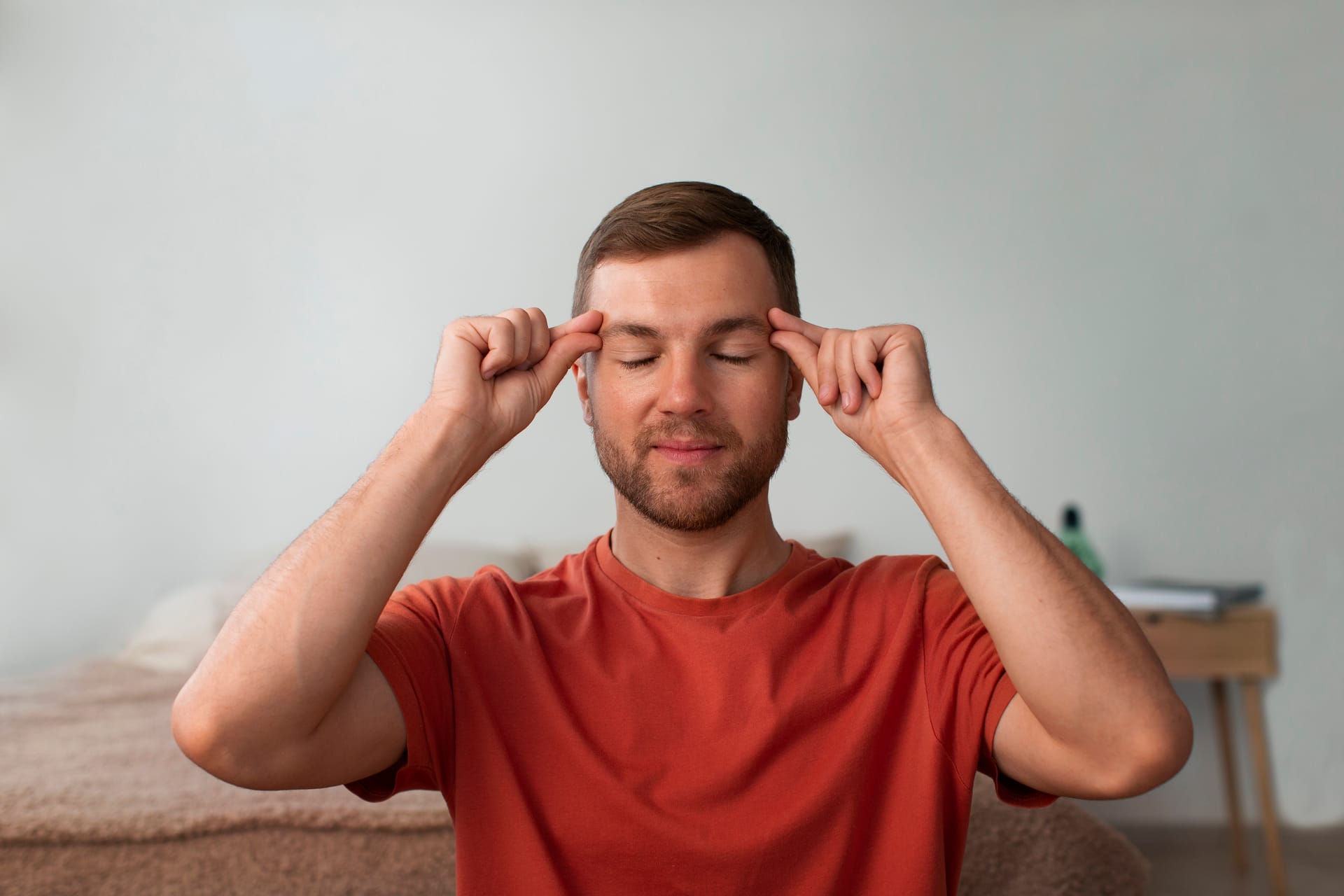
Sometimes the best stress relief is just... walking away.
Situation-Specific Protocols

Quick resets at your desk prevent tension buildup.
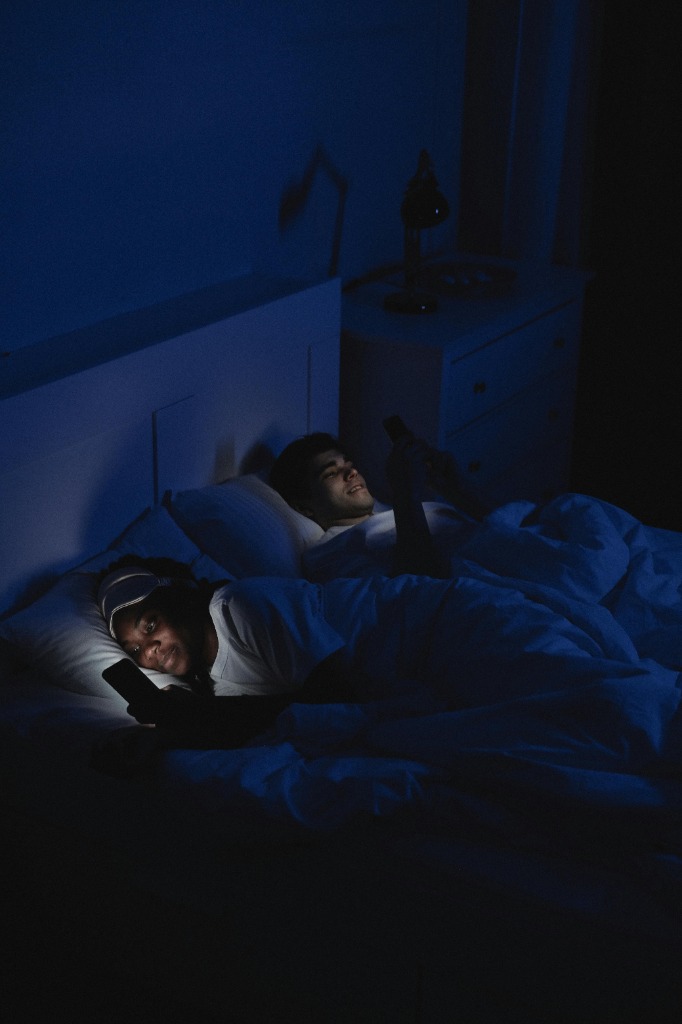
A consistent bedtime routine signals safety to your nervous system.
Common Questions
Which technique should I start with?
Start with 4-7-8 Breathing. It works for all stress types, can be done anywhere, and often shows immediate results.
What if I get dizzy?
You are breathing too fast (hyperventilating). Stop. Breathe distinctively normally for a minute. Try again slower.
How to remember to do this?
Habit stacking. "When I sit at my desk, I do 3 deep breaths." "When I boil the kettle, I do neck stretches."
"Stress is inevitable. Struggling is optional."
Pick ONE technique. Try it today. Take your power back.